When people think of Vitamin C, they usually think of Ascorbic Acid. However, Vitamin C exists in several different forms, each with unique characteristics and benefits. [1] One such form is Calcium Ascorbate Dihydrate, which is less irritating to the stomach than Ascorbic Acid while providing more stable release and absorption of Vitamin C. [2]
| Common Name | Calcium Ascorbate Dihydrate |
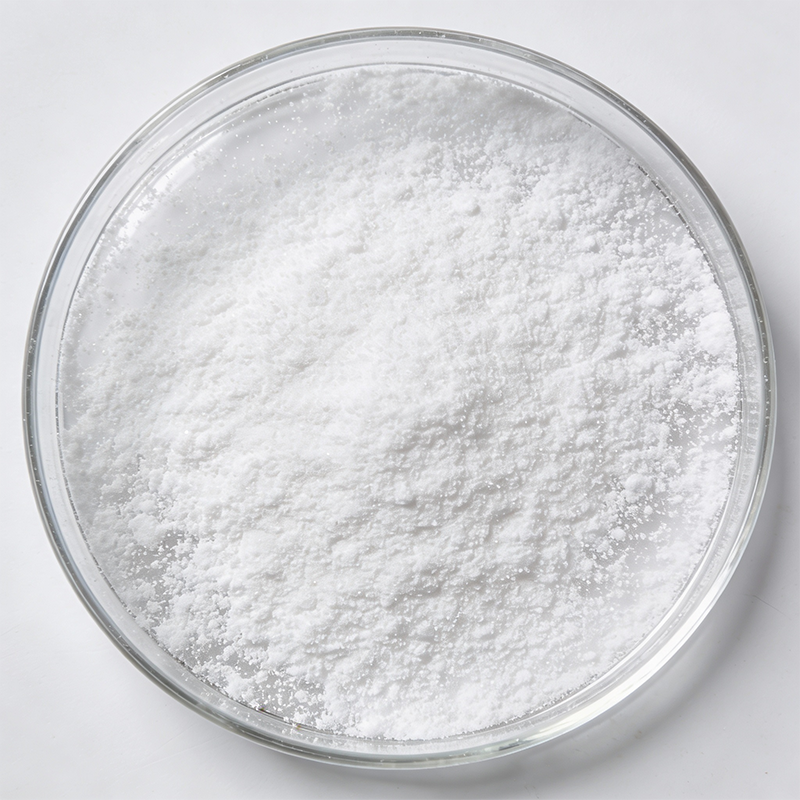
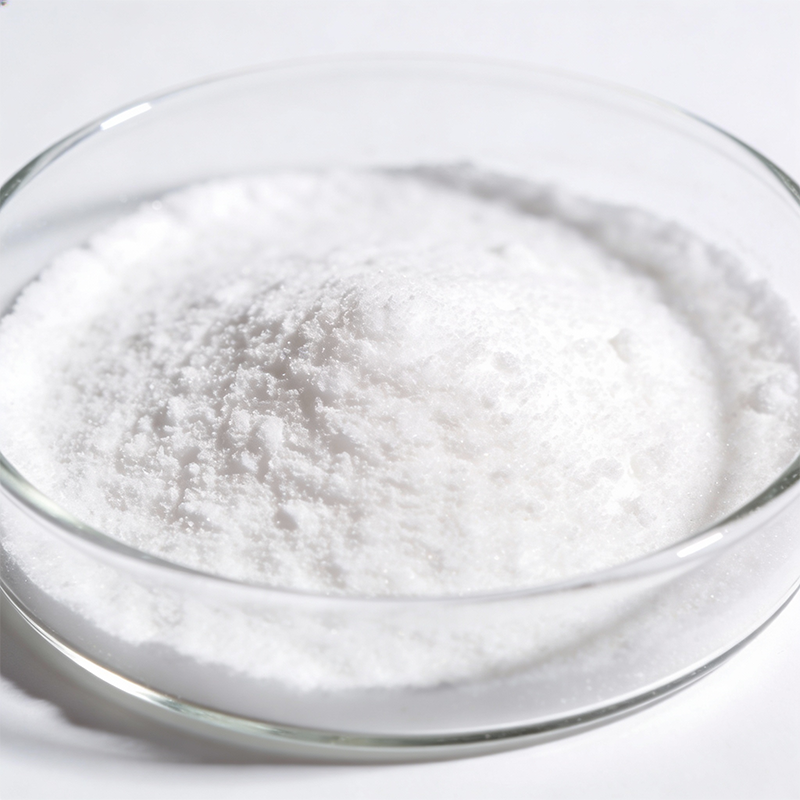
| Appearance | White powder |
| Source | Produced exclusively through chemical synthesis |
| Key Benefits | Supports immune function, collagen synthesis, skin health, wound healing, and helps reduce oxidative stress–induced cellular damage |
| Recommended Product | Nectapharma Luminari Astaxanthin 6 mg |
TLDR
Calcium Ascorbate Dihydrate is a non-acidic form of Vitamin C that is highly stable and gentler on the stomach than Ascorbic Acid.
It offers better absorption and utilization, increasing blood Vitamin C levels by approximately 1.5 times compared with Ascorbic Acid.
It supports healthy skin, immune function, wound healing, and helps reduce oxidative stress, a key contributor to many chronic diseases.
What Is Calcium Ascorbate Dihydrate?
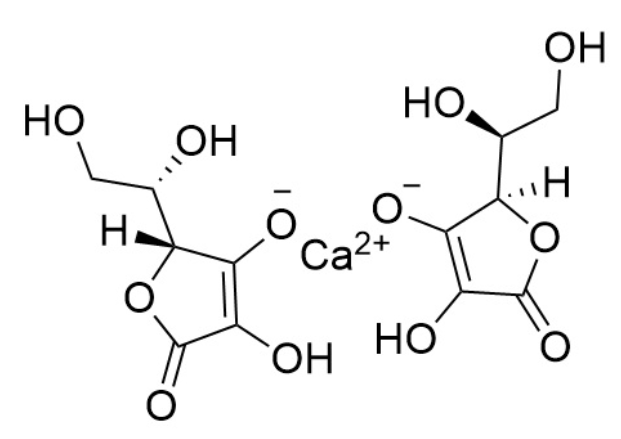
Calcium Ascorbate Dihydrate is a non-acidic form of Vitamin C produced by forming a calcium salt of Ascorbic Acid. The molecule contains two water molecules within its crystal structure (dihydrate form), providing greater chemical stability.
This structure gives Calcium Ascorbate Dihydrate a near-neutral pH, reducing the acidity associated with Ascorbic Acid while improving stability. The dihydrate form also enhances solubility and dissociation, allowing Vitamin C to be absorbed efficiently without causing the gastrointestinal irritation commonly associated with acidic Vitamin C formulations. [2]
Why Is Calcium Ascorbate Dihydrate Better Than Ascorbic Acid?
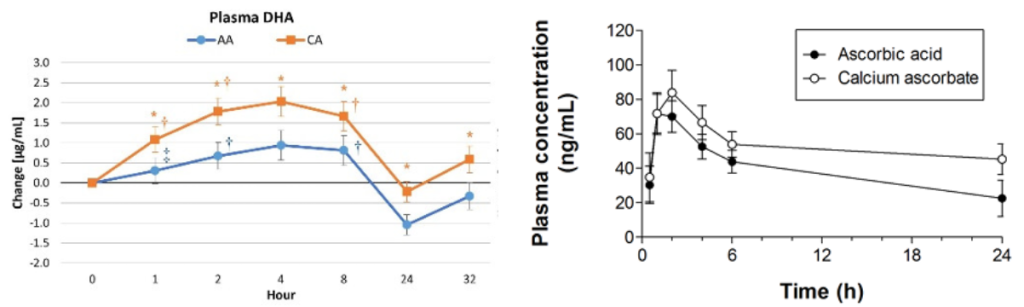
Comparative absorption studies have shown that Calcium Ascorbate Dihydrate provides superior absorption and utilization compared with Ascorbic Acid.
One reason is that it promotes greater conversion of Vitamin C into dehydroascorbic acid (DHA). [3] DHA is transported into white blood cells more efficiently via GLUT transporters, resulting in a 1.5-fold higher blood Vitamin C exposure (AUC) than conventional Ascorbic Acid. [2]
In addition, the calcium component helps maintain a more neutral gastric pH, reducing acid stimulation and limiting pepsin activity, thereby minimizing irritation to the stomach lining compared with Ascorbic Acid.
Benefits of Calcium Ascorbate
Skin Health
Calcium Ascorbate Dihydrate plays an essential role in maintaining healthy skin by acting as a cofactor for collagen synthesis, helping improve skin firmness and smoothness.
It also helps reduce melanin production, promoting a brighter and more even skin tone. As a powerful antioxidant, Vitamin C protects the skin against oxidative damage caused by pollution and ultraviolet (UV) radiation, helping reduce premature skin aging. [4]
Immune Support
Calcium Ascorbate Dihydrate enhances the function of white blood cells, enabling the immune system to respond more effectively to infections.
Clinical studies have shown that supplementation significantly reduces the frequency of common colds, shortens the duration of severe symptoms from 3.1 days to 1.8 days, and promotes faster recovery while causing less gastric irritation than acidic forms of Vitamin C.[5]
Wound Healing
Calcium Ascorbate plays a critical role in wound repair by promoting collagen synthesis, angiogenesis (new blood vessel formation), and reducing inflammation, all of which accelerate tissue regeneration.
Clinical studies have demonstrated that Vitamin C supplementation improves the healing of both surgical wounds and chronic wounds. [6]
Beyond these benefits, Calcium Ascorbate also supports overall health by:
- Enhancing iron absorption, helping reduce the risk of iron-deficiency anemia.
- Supporting normal nervous system function.
- Reducing oxidative stress, a major contributor to numerous chronic diseases, thereby promoting healthier cellular function throughout the body. [7]