What Is Niacinamide? The Multi-Benefit Skincare Ingredient for Healthier Skin

Niacinamide (Vitamin B3)

Table of Contents

      Niacinamide, also known as Vitamin B3, is one of the most popular ingredients in modern skincare. Thanks to its multiple skin benefits and excellent tolerability, it is suitable for virtually all skin types, including oily, dry, acne-prone, and even sensitive skin. [1], [2]
      A common question is, "What does niacinamide do?" The answer is that niacinamide addresses multiple skin concerns by improving skin function from within. Its wide range of clinically proven benefits has made it a key ingredient in products designed for acne care [3], [4], skin brightening [5], [6], and anti-aging. [7]

      Common Name Niacinamide
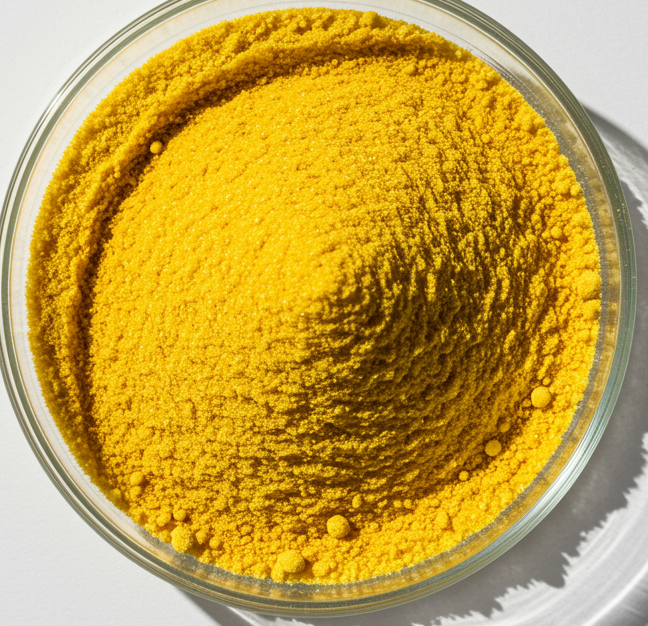
      Appearance White powder
      Source Niacinamide used in skincare is primarily produced through chemical synthesis.
      Key Benefits Helps regulate sebum production, brighten the skin, reduce post-acne marks and hyperpigmentation, reduce inflammation, and strengthen the skin barrier
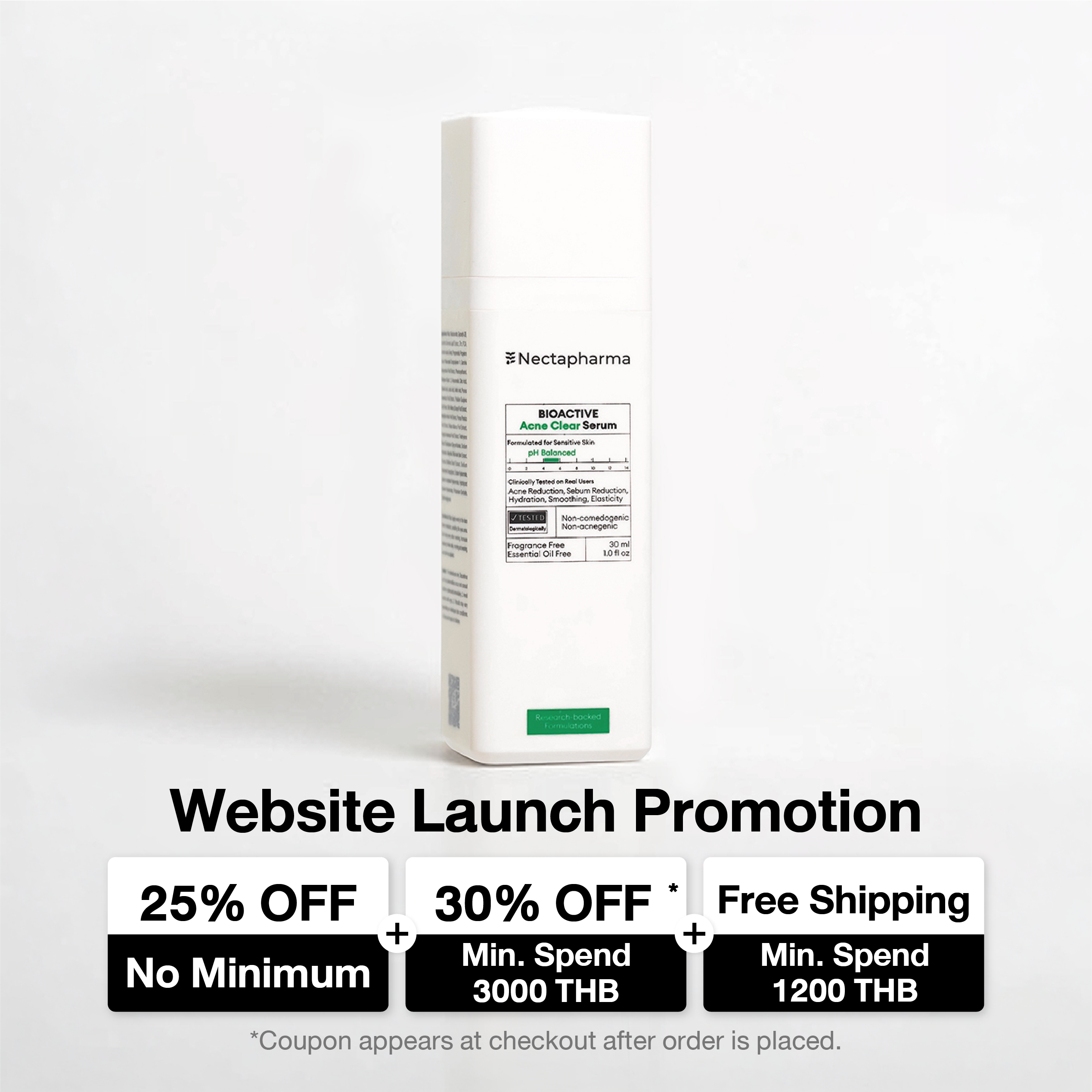
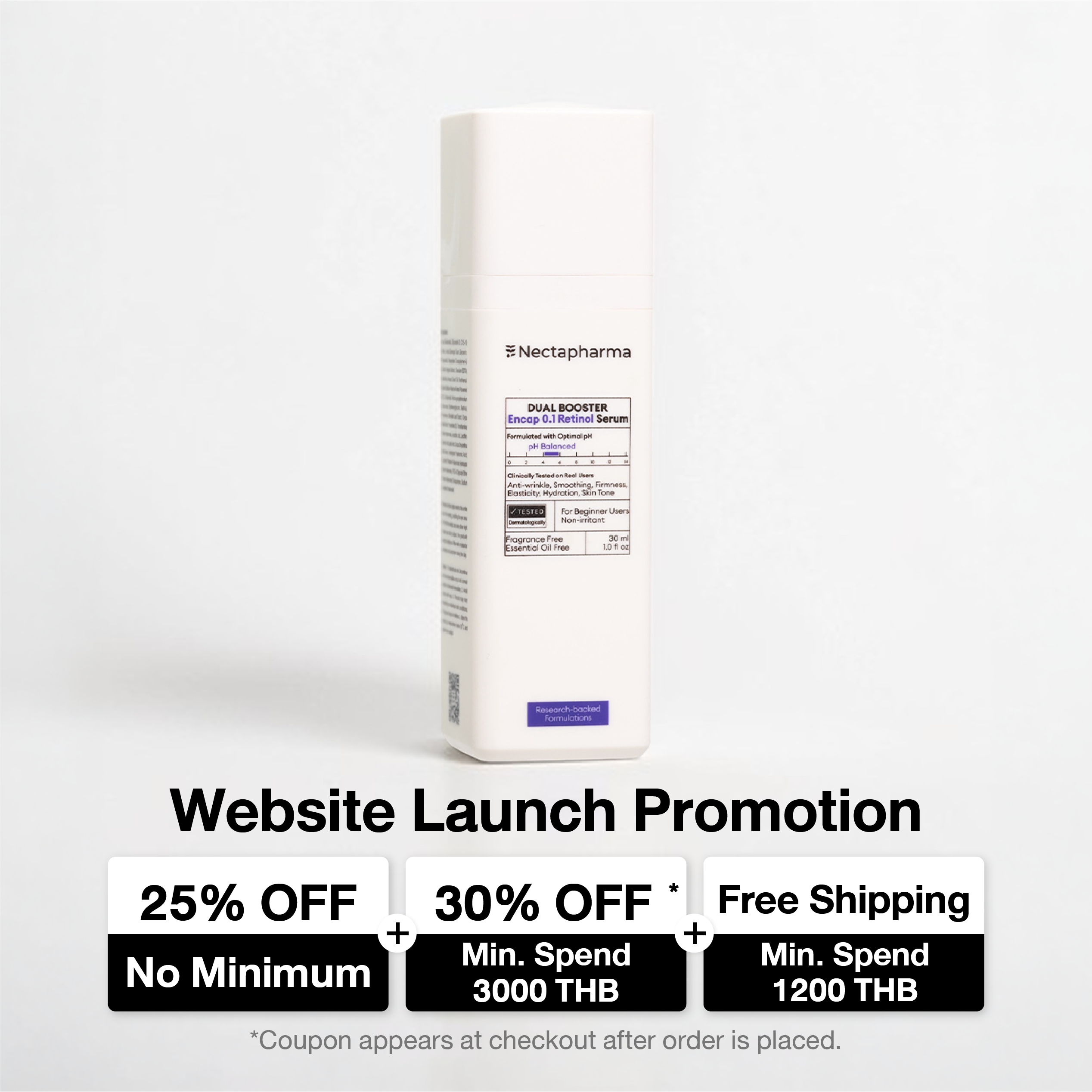
      Recommended Product Nectapharma Bioactive Acne Clear Serum, Nectapharma Dual Booster Encap 0.1 Retinol Serum

      TLDR

      Niacinamide (Vitamin B3) is a versatile skincare ingredient that helps reduce acne, fade post-acne marks, refine the appearance of pores, strengthen the skin barrier, and improve skin hydration. It is suitable for all skin types, including sensitive skin.

      Concentrations of 2–5% are sufficient to deliver clinically proven benefits, while 10–15% formulations may increase the risk of irritation, especially in sensitive skin or when combined with exfoliating acids.

      Niacinamide can be used morning and night and works well with other active ingredients such as Zinc PCA, Tranexamic Acid, and Undecylenoyl Phenylalanine for enhanced acne control and skin brightening.

      What Does Niacinamide Do? Why Should You Use It?

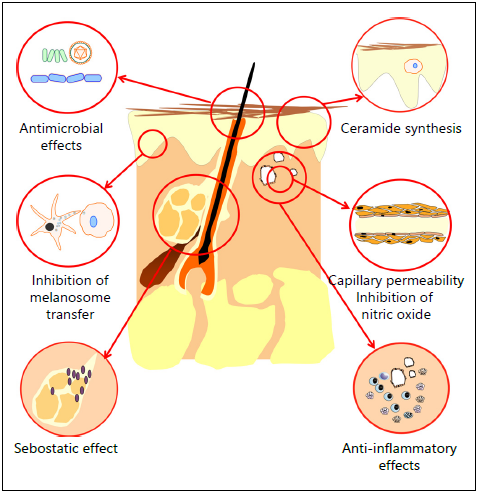
      Extensive scientific research has shown that Niacinamide provides multiple skin benefits. Depending on the concentration used, it helps reduce inflammation, regulate sebum production, improve acne, reduce melanin transfer, strengthen the skin barrier, and support healthier skin overall.
      • Controls Excess Oil and Helps Reduce Acne

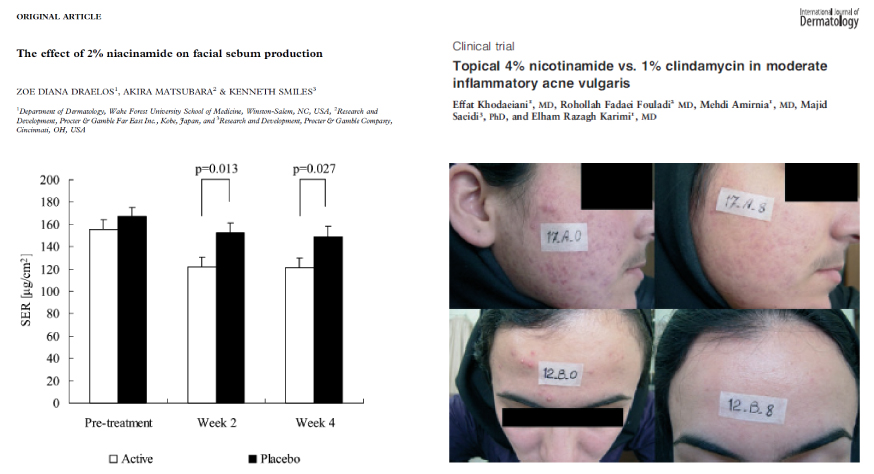
      Niacinamide is an excellent ingredient for oily and acne-prone skin. Clinical studies have shown that formulations containing 2–4% niacinamide help reduce excess sebum production and improve inflammatory acne without causing significant irritation, making it effective for both oil control and acne management. [3], [4]
      • Brightens Skin and Reduces Dark Spots

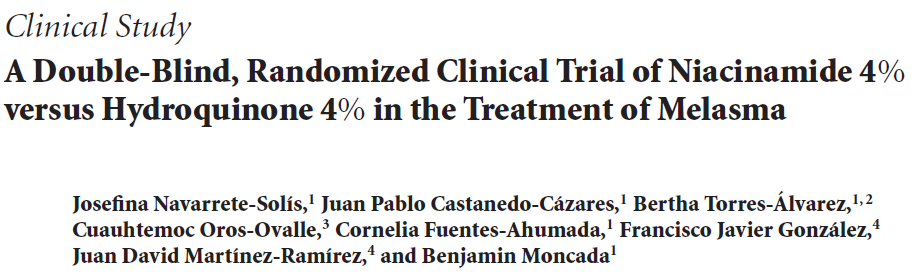
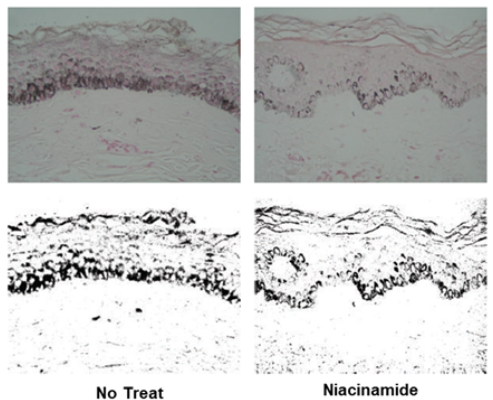
      Niacinamide helps brighten the complexion by reducing the transfer of melanin from melanocytes to keratinocytes, thereby improving post-inflammatory hyperpigmentation and uneven skin tone.

      Clinical studies involving individuals with melasma and hyperpigmentation have shown that 4–5% niacinamide significantly reduces pigmentation within 4–8 weeks while remaining well tolerated. [5], [10]
       

      • Reduces Skin Inflammation (Anti-Inflammatory Effect)

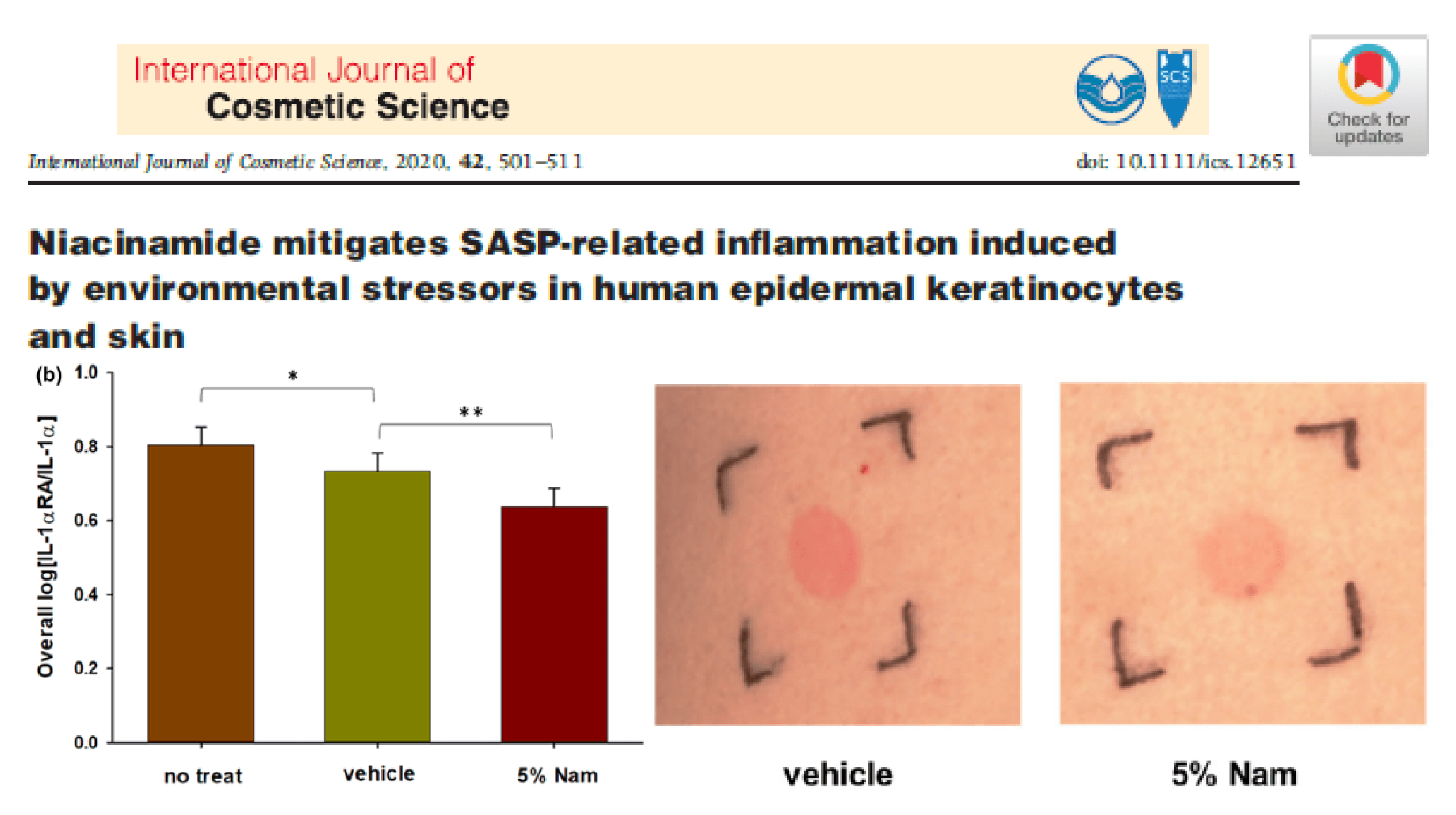
      One of niacinamide's key benefits is its gentle anti-inflammatory activity, making it especially suitable for acne-prone and sensitive skin.

      Research has demonstrated that niacinamide suppresses inflammatory mediators including IL-6, IL-8, and TNF-α, helping reduce irritation and skin inflammation while supporting overall skin recovery. [8]
      • Strengthens the Skin Barrier

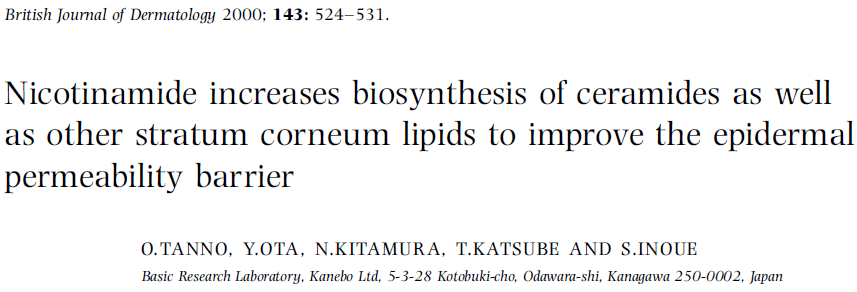
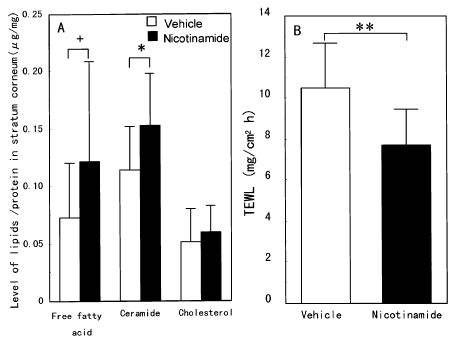
      Another important answer to the question "What does niacinamide do?" is that it helps reinforce the skin barrier by stimulating the production of ceramides, the natural lipids responsible for maintaining skin hydration and preventing excessive water loss.

      This helps reduce dryness, flaking, and skin sensitivity while improving overall skin resilience. [9]
      What Shouldn't You Use Niacinamide With?

      Overall, Niacinamide is considered a highly safe skincare ingredient.

      Clinical studies indicate that concentrations between 2% and 5% are sufficient to provide significant improvements in acne, post-acne marks, skin barrier function, inflammation, and oil control. Although products containing 10% or 15% niacinamide are widely available, higher concentrations may increase the likelihood of redness, stinging, or irritation without clear evidence of superior efficacy over 5%.

      When discussing what should not be combined with niacinamide, one consideration is the use of high concentrations of exfoliating acids, such as 5% lactic acid, which may increase the risk of irritation in some individuals. If combining niacinamide with acidic ingredients, choosing products that have been clinically tested for skin compatibility is recommended. [11]

      When Should You Use Niacinamide and What Can You Pair It With?

      Because niacinamide is photostable and has a low irritation potential, it can be used both morning and evening.

      It also works synergistically with several other active ingredients:

      • Zinc PCA – Enhances oil control and helps reduce acne-related inflammation. [12]
      • Undecylenoyl Phenylalanine – When combined with niacinamide, significantly improves dark spots and hyperpigmentation within 8 weeks. [13]
      • Tranexamic Acid – Works synergistically with niacinamide to improve skin tone uniformity and reduce hyperpigmentation more effectively. [14]
      Date

      04 Nov 2025

      Categories

      Acne, Acne Scars, Skincare

      References

      1

      Marques, C., Hadjab, F., Porcello, A., Lourenço, K., Scaletta, C., Abdel-Sayed, P., Hirt-Burri, N., Applegate, L. A., & Laurent, A. (2024). Mechanistic Insights into the Multiple Functions of Niacinamide: Therapeutic Implications and Cosmeceutical Applications in Functional Skincare Products. Antioxidants, 13(4), 425. https://doi.org/10.3390/antiox13040425

      2

      Wohlrab, J., & Kreft, D. (2014). Niacinamide – mechanisms of action and its topical use in dermatology. Skin pharmacology and physiology, 27(6), 311–315. https://doi.org/10.1159/000359974

      3

      Draelos, Z. D., Matsubara, A., & Smiles, K. (2006). The effect of 2% niacinamide on facial sebum production. Journal of cosmetic and laser therapy : official publication of the European Society for Laser Dermatology, 8(2), 96–101. https://doi.org/10.1080/14764170600717704

      4

      Khodaeiani, E., Fouladi, R. F., Amirnia, M., Saeidi, M., & Karimi, E. R. (2013). Topical 4% nicotinamide vs. 1% clindamycin in moderate inflammatory acne vulgaris. International journal of dermatology, 52(8), 999–1004. https://doi.org/10.1111/ijd.12002

      5

      Navarrete-Solís, J., Castanedo-Cázares, J. P., Torres-Álvarez, B., Oros-Ovalle, C., Fuentes-Ahumada, C., González, F. J., Martínez-Ramírez, J. D., & Moncada, B. (2011). A Double-Blind, Randomized Clinical Trial of Niacinamide 4% versus Hydroquinone 4% in the Treatment of Melasma. Dermatology research and practice, 2011, 379173. https://doi.org/10.1155/2011/379173

      6

      Bissett, D. L., Oblong, J. E., & Berge, C. A. (2005). Niacinamide: A B vitamin that improves aging facial skin appearance. Dermatologic Surgery, 31(s1), 860–866. https://doi.org/10.1111/j.1524-4725.2005.31732

      7

      Boo Y. C. (2021). Mechanistic Basis and Clinical Evidence for the Applications of Nicotinamide (Niacinamide) to Control Skin Aging and Pigmentation. Antioxidants (Basel, Switzerland), 10(8), 1315. https://doi.org/10.3390/antiox10081315

      8

      Bierman, J. C., Laughlin, T., Tamura, M., Hulette, B. C., Mack, C. E., Sherrill, J. D., Tan, C. Y. R., Morenc, M., Bellanger, S., & Oblong, J. E. (2020). Niacinamide mitigates SASP-related inflammation induced by environmental stressors in human epidermal keratinocytes and skin. International journal of cosmetic science, 42(5), 501–511. https://doi.org/10.1111/ics.12651

      9

      Tanno, O., Ota, Y., Kitamura, N., Katsube, T., & Inoue, S. (2000). Nicotinamide increases biosynthesis of ceramides as well as other stratum corneum lipids to improve the epidermal permeability barrier. The British journal of dermatology, 143(3), 524–531. https://doi.org/10.1111/j.1365-2133.2000.03705.x

      10

      Hakozaki, T., Minwalla, L., Zhuang, J., Chhoa, M., Matsubara, A., Miyamoto, K., Greatens, A., Hillebrand, G. G., Bissett, D. L., & Boissy, R. E. (2002). The effect of niacinamide on reducing cutaneous pigmentation and suppression of melanosome transfer. British Journal of Dermatology, 147(1), 20–31. https://doi.org/10.1046/j.1365-2133.2002.04834.x

      11

      Cosmetic Ingredient Review Expert Panel (2005). Final report of the safety assessment of niacinamide and niacin. International journal of toxicology, 24 Suppl 5, 1–31. https://doi.org/10.1080/10915810500434183

      12

      Andrade, J., Wagemaker, T., Mercurio, D., & Campos, P. (2018). Benefits of a dermocosmetic formulation with vitamins B3 and a B6 derivative combined with zinc-PCA for mild inflammatory acne and acne-prone skin: Benefícios de uma formulação dermocosmética com vitamina B3 e derivado de vitamina B6 combinados com zinc-PCA para acne inflamatória leve e pele propensa a acne. Journal of Biomedical and Biopharmaceutical Research, 15(2), 214–223. https://doi.org/10.19277/BBR.15.2.188

      13

      Bissett, D. L., Robinson, L. R., Raleigh, P. S., Miyamoto, K., Hakozaki, T., Li, J., & Kelm, G. R. (2009). Reduction in the appearance of facial hyperpigmentation by topical N-undecyl-10-enoyl-L-phenylalanine and its combination with niacinamide. Journal of cosmetic dermatology, 8(4), 260–266. https://doi.org/10.1111/j.1473-2165.2009.00470.x

      14

      Lee, D. H., Oh, I. Y., Koo, K. T., Suk, J. M., Jung, S. W., Park, J. O., Kim, B. J., & Choi, Y. M. (2014). Reduction in facial hyperpigmentation after treatment with a combination of topical niacinamide and tranexamic acid: a randomized, double-blind, vehicle-controlled trial. Skin research and technology : official journal of International Society for Bioengineering and the Skin (ISBS) [and] International Society for Digital Imaging of Skin (ISDIS) [and] International Society for Skin Imaging (ISSI), 20(2), 208–212. https://doi.org/10.1111/srt.12107