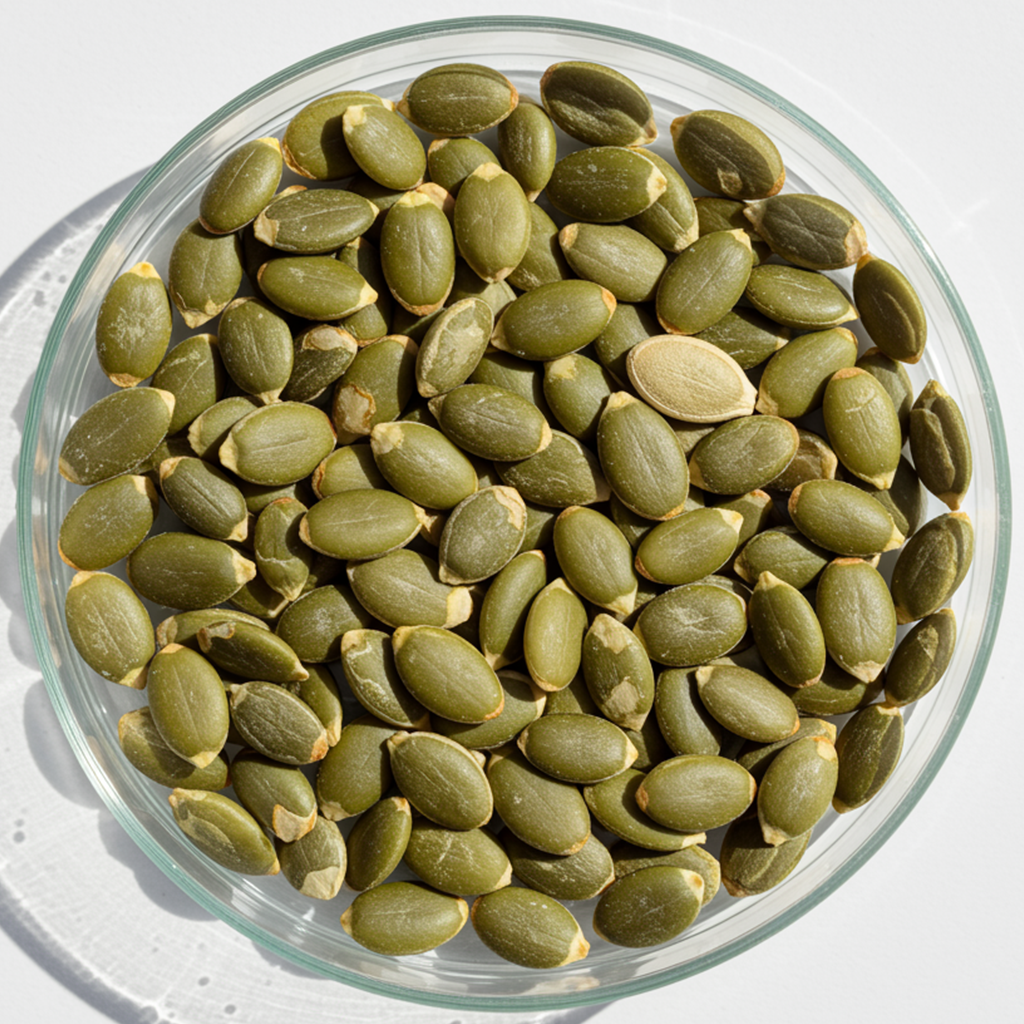
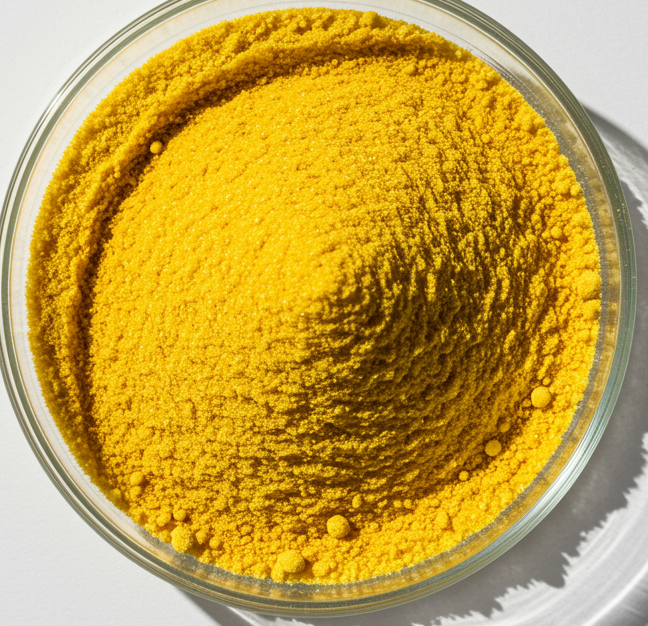
Tocotrienol is a fat-soluble form of Vitamin E with potent antioxidant and anti-inflammatory properties. Beyond its antioxidant activity, Tocotrienol has been shown to support multiple aspects of human health. It occurs naturally in foods such as palm oil, rice bran oil, wheat germ oil, as well as certain nuts and seeds. [1], [2]
| Common Name | Tocotrienol |
| Appearance | Pale yellow powder |
| Source | Palm oil, rice bran oil, wheat germ oil, and certain nuts and seeds |
| Key Benefits | Antioxidant activity, supports cardiovascular health, promotes brain and nervous system health, and helps maintain immune function |
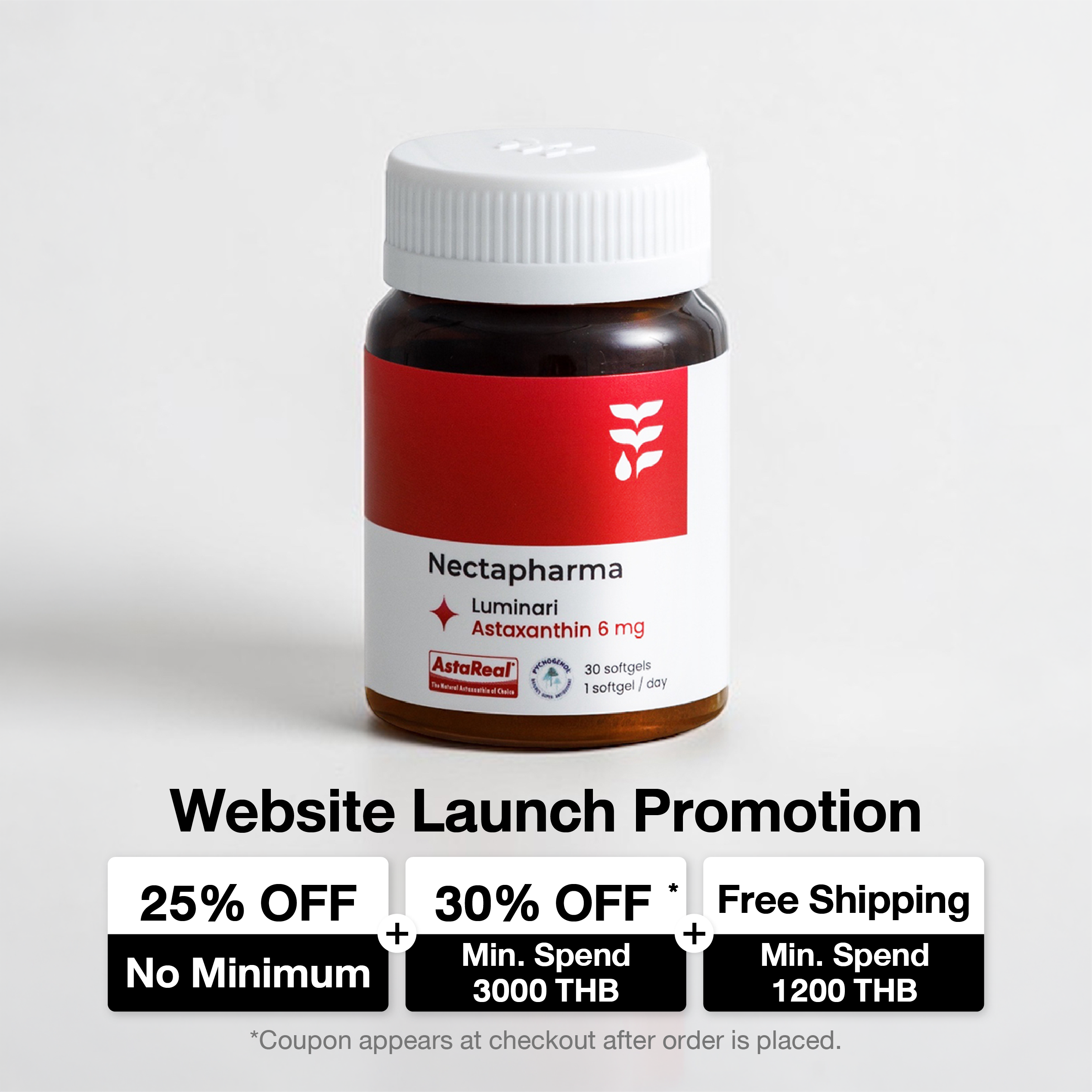
| Recommended Product |
Nectapharma Luminari Astaxanthin |
TLDR
Tocotrienol is a fat-soluble form of Vitamin E that penetrates tissues and cell membranes more effectively than tocopherol.
Tocotrienol exhibits broader and more potent biological activities than tocopherol.
Combining Tocotrienol with Astaxanthin provides greater antioxidant activity than either ingredient alone.
Tocotrienol supports cardiovascular health, brain and nervous system function, and immune health.
How Is Tocotrienol Different from Other Forms of Vitamin E?
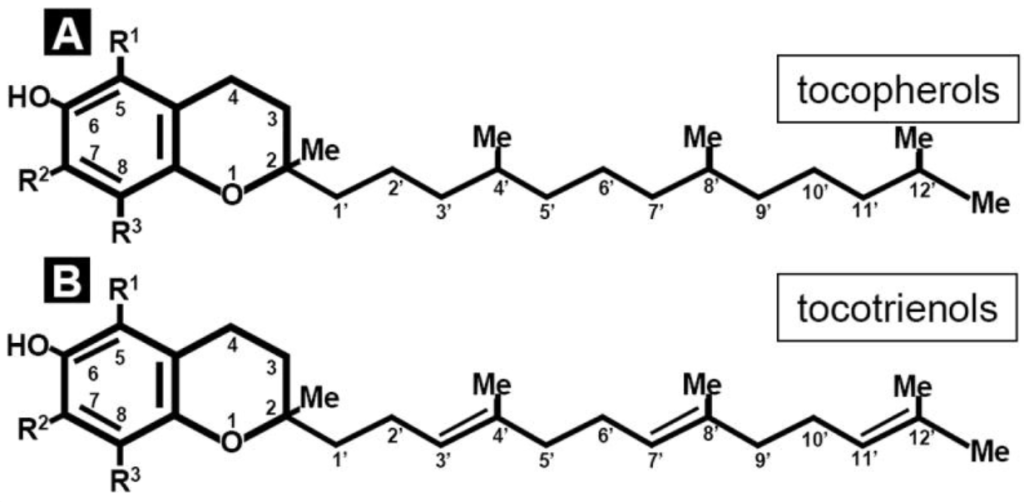
Vitamin E consists of two major families: tocotrienols and tocopherols. Although they share a similar chemical structure, they differ in the structure of their side chains.
The unsaturated side chain of tocotrienols enables them to penetrate tissues and cell membranes more efficiently than tocopherols, which possess a saturated side chain. This structural difference contributes to the broader biological activity and greater efficacy reported for tocotrienols in many experimental studies. [1], [2]
Synergistic Effects of Tocotrienol and Astaxanthin
Both tocotrienols and tocopherols possess antioxidant properties. However, research has shown that combining tocotrienol with astaxanthin produces an antioxidant effect approximately 1.4 times greater than the combined effects of the two ingredients individually, due to complementary molecular interactions.
In contrast, combining tocopherol with astaxanthin did not demonstrate the same synergistic effect. These findings suggest that tocotrienol is a more effective partner for astaxanthin in antioxidant formulations. [3]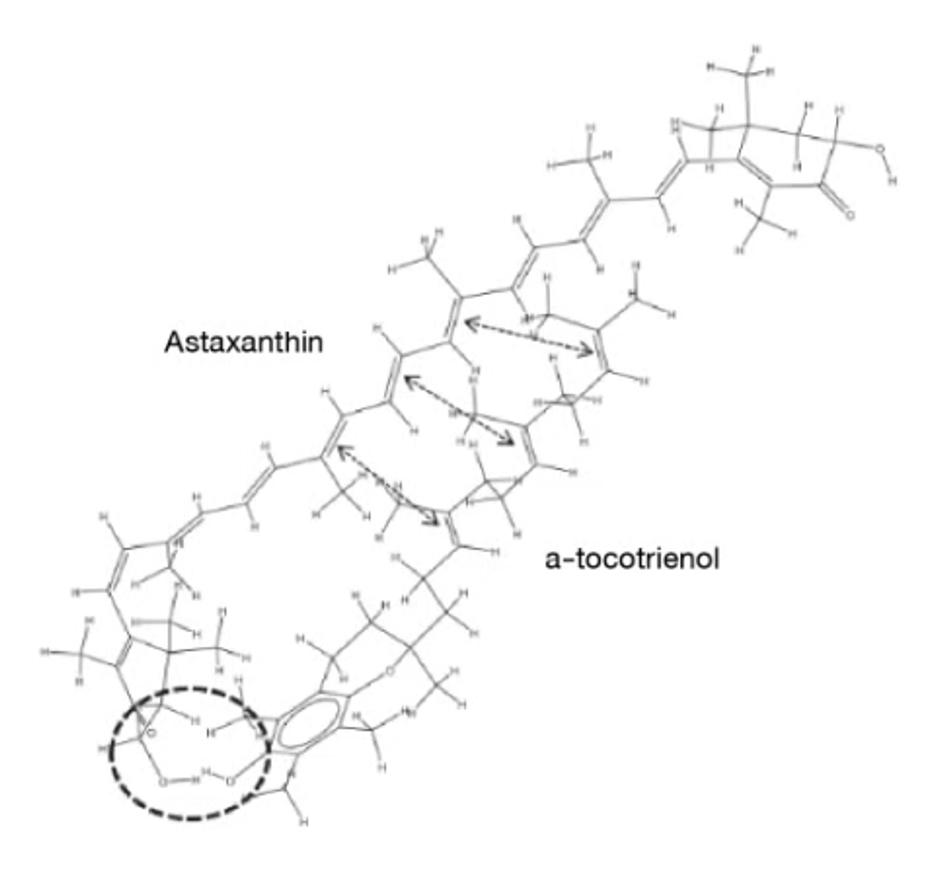
Synergistic Antioxidant Activity of Tocotrienol and Astaxanthin [3]
Benefits of Tocotrienol
Today, tocotrienol has become one of the most extensively studied forms of Vitamin E in the fields of nutrition and nutraceuticals. Research indicates that its benefits extend far beyond antioxidant protection, supporting multiple physiological systems throughout the body. [4]
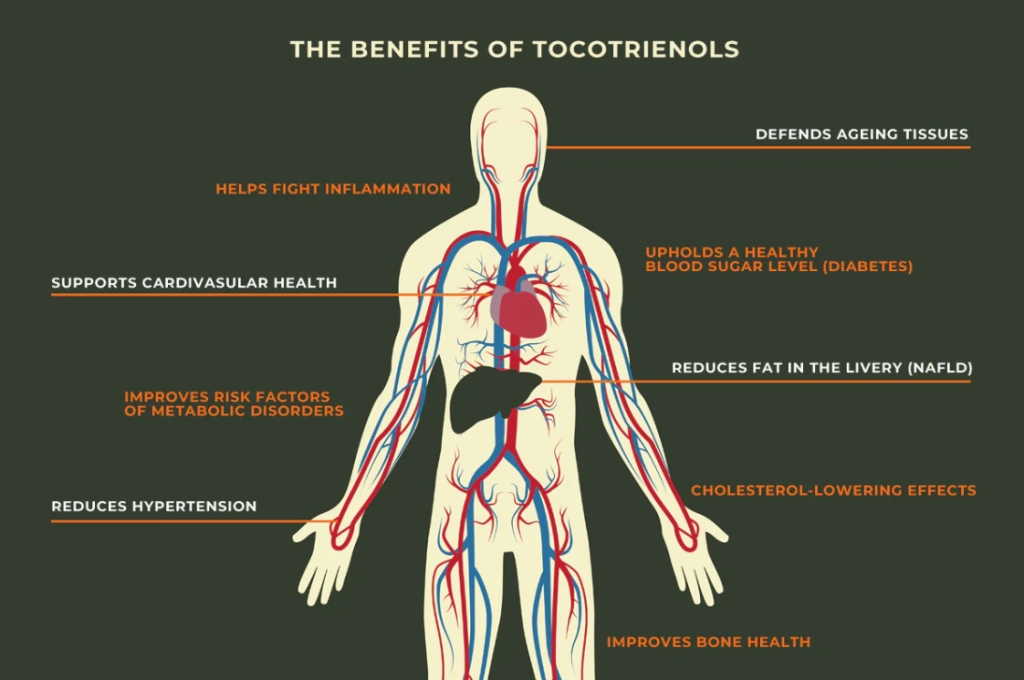
Health Benefits of Tocotrienol Across Multiple Body Systems [5]
Tocotrienol for Heart Health
Tocotrienol has attracted considerable attention for its potential cardiovascular benefits. Studies suggest that Vitamin E tocotrienol may help lower cholesterol and improve blood lipid profiles. It has also been shown to support vascular elasticity, which may contribute to a lower risk of cardiovascular disease. [6], [7]
Tocotrienol for Brain and Nervous System Health
Another important property of tocotrienol is its neuroprotective activity. Research suggests that individuals who consume Vitamin E tocotrienol may experience slower progression of brain degeneration than those who do not, potentially contributing to a reduced risk of age-related cognitive decline and dementia. [8]
Tocotrienol for Immune Function
Tocotrienol has also been shown to help regulate and support immune function. Studies indicate that supplementation with Vitamin E tocotrienol enhances the immune system's ability to respond to pathogens and other foreign substances entering the body. [9]
Safety Considerations for Tocotrienol
Most people obtain small amounts of Vitamin E tocotrienol naturally through their diet, and these levels are considered safe.
However, individuals taking tocotrienol supplements should avoid excessive doses, as high intake may increase the risk of bleeding and may interact with certain medications. For this reason, people with underlying medical conditions, those taking prescription medications, pregnant or breastfeeding women should consult a physician or pharmacist before taking tocotrienol supplements to ensure safe and appropriate use.[10]