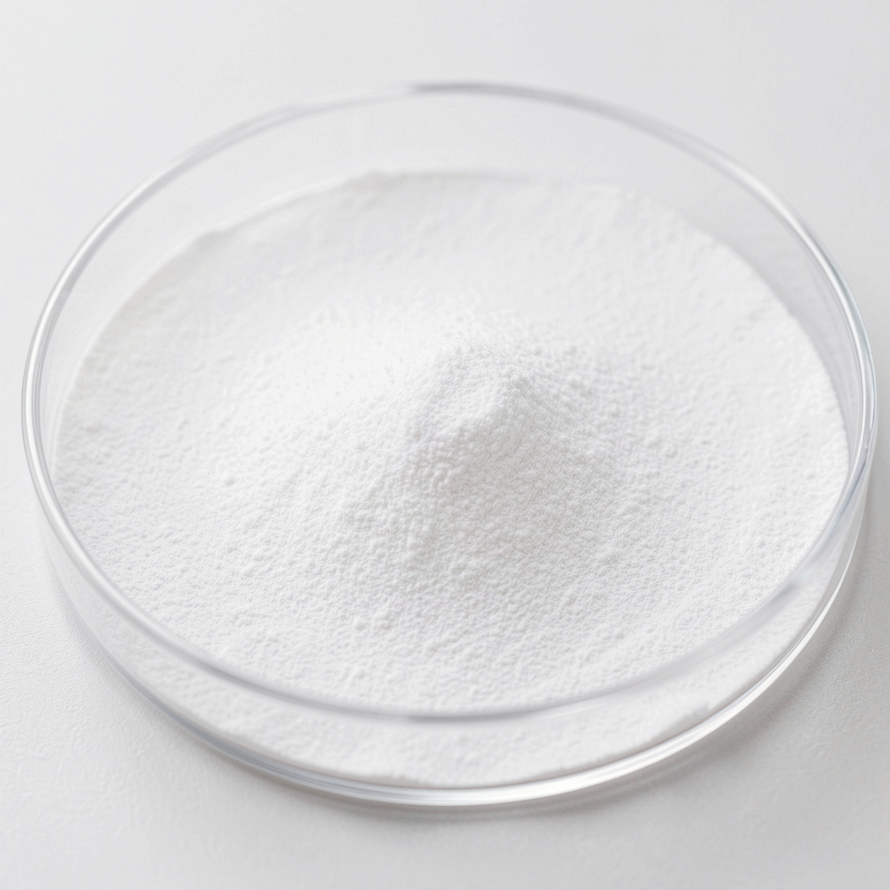
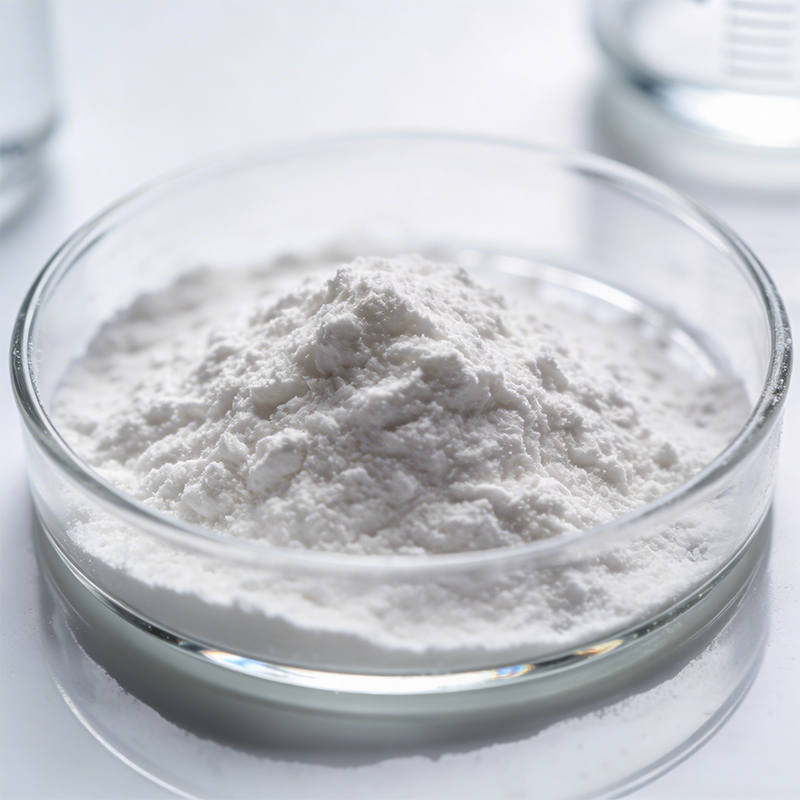
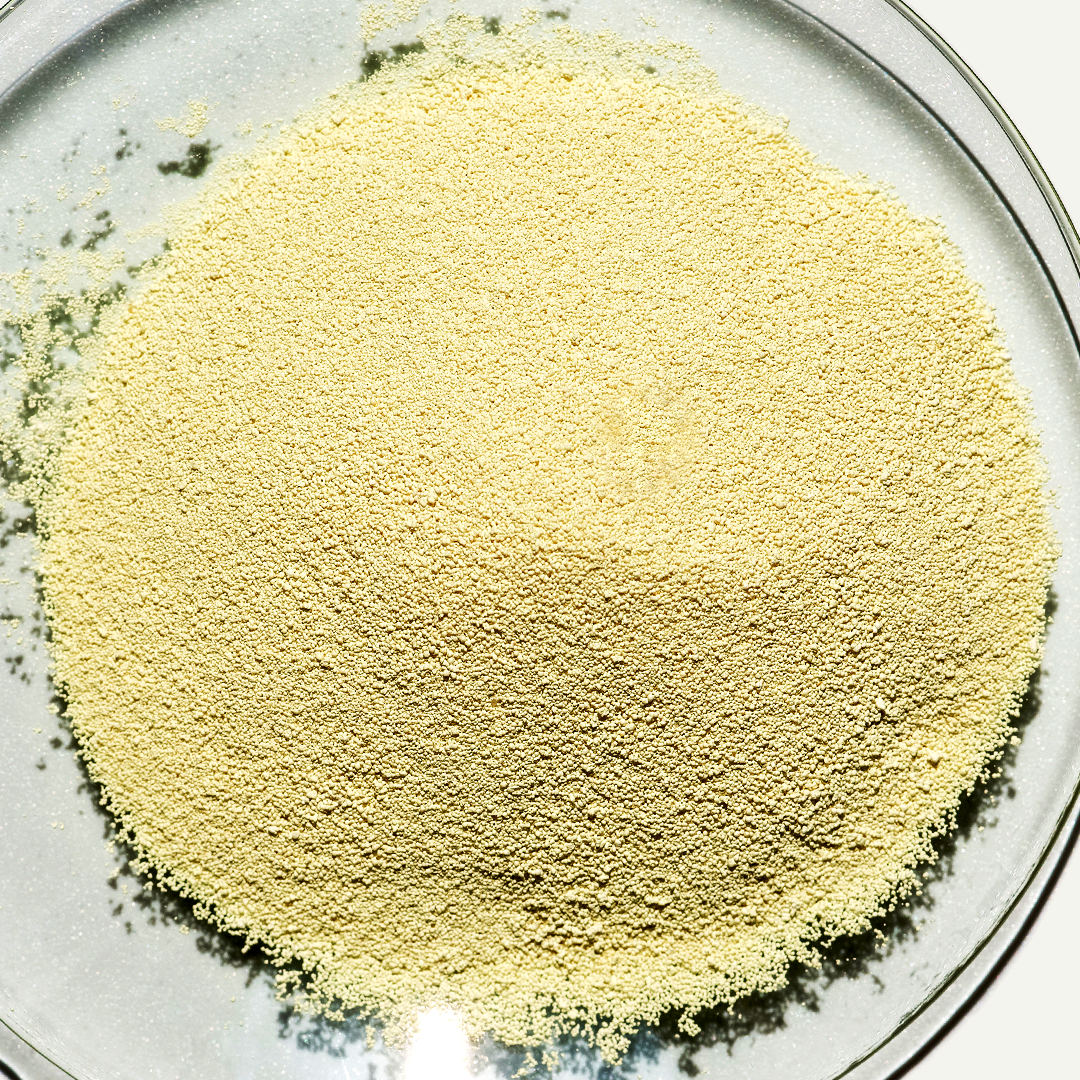
Quercetin is one of the flavonoids naturally found in many types of plants. It appears as a yellow powder and has low toxicity. In addition, it exhibits a wide range of biological activities, including antioxidant, anti-inflammatory, antimicrobial, immunomodulatory, and anticancer activities. These diverse properties of a single compound have made Quercetin a subject of growing interest and extensive research today. [1], [2]
Quercetin can be found in many foods, such as apples, red grapes, cherries, kale, and onions. Onions are considered one of the foods with a high Quercetin content. However, extracting Quercetin from common food sources in high purity and large quantities can be relatively difficult. Therefore, the pharmaceutical and cosmetic industries commonly use the flowers of the Japanese pagoda tree (Sophora japonica), which contain a high concentration of Quercetin, as a source for extraction and use as an active ingredient. [3]
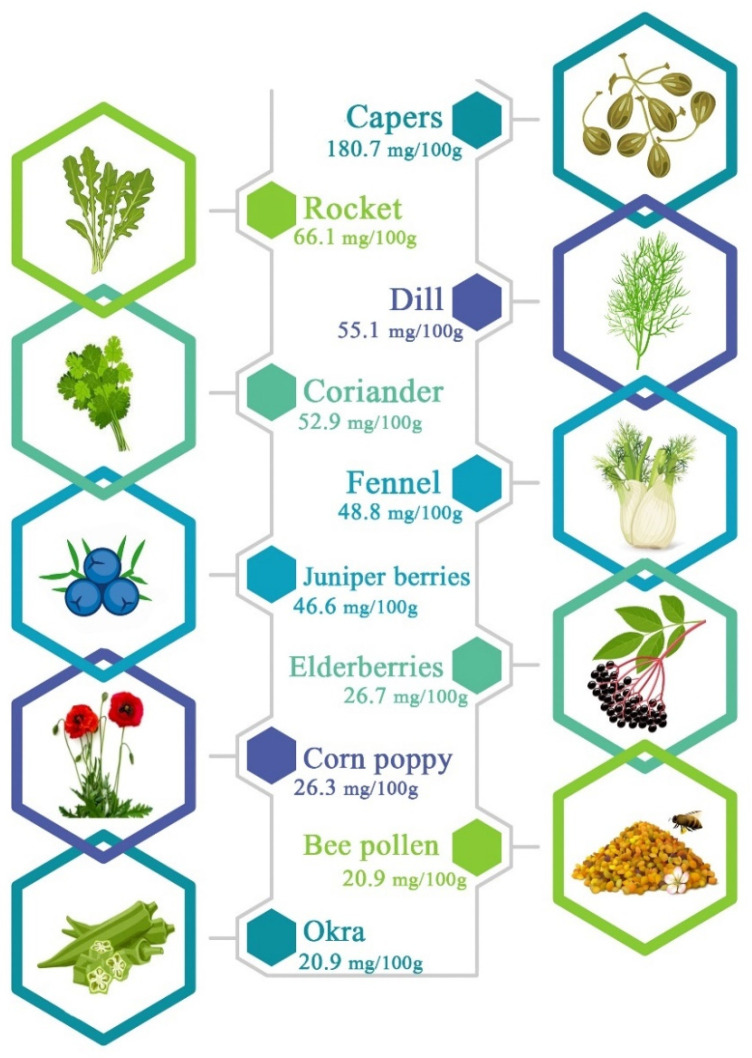 Quercetin is a naturally occurring flavonoid. [1]
| Common Name | Quercetin |
| Appearance | Yellow powder |
| Source | Japanese pagoda tree (Sophora japonica) |
| Benefits | Antioxidant, anti-inflammatory, antimicrobial, immunomodulatory, and anticancer activities |
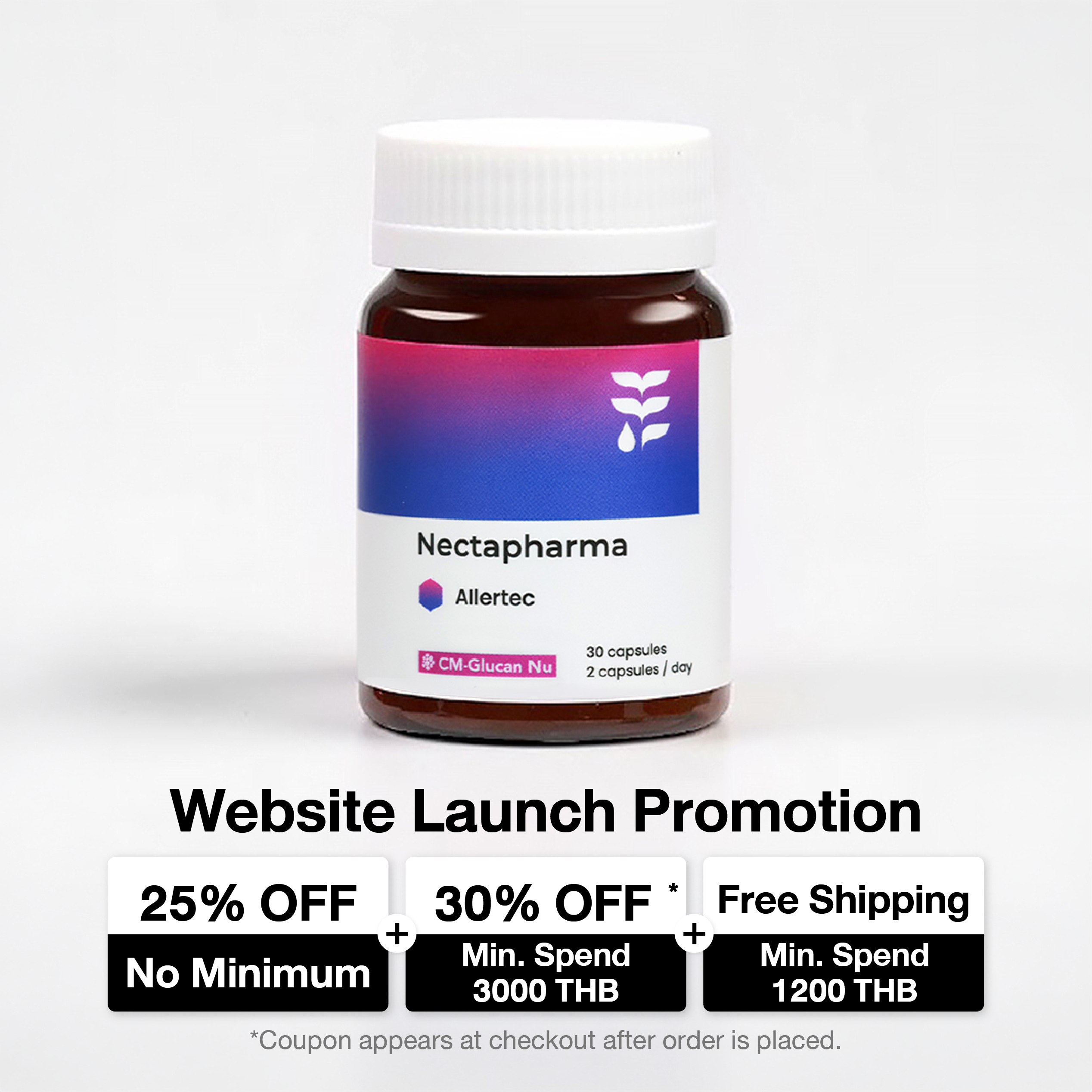
| Recommended Product | Nectapharma AIlertec |
TLDR
Quercetin is a flavonoid that occurs naturally in plants. In industrial applications, it is commonly extracted from the flowers of the Japanese pagoda tree, which contain a high concentration of Quercetin.
Quercetin has increasingly been studied due to its wide range of biological activities, including antioxidant, antiviral, antimicrobial, immunomodulatory, and anticancer activities.
Quercetin has been shown to have low toxicity and is lipid-soluble. Therefore, it is recommended to take Quercetin after a meal containing fat to enhance absorption.
What Does Quercetin Help With?
In addition to its antioxidant, antiviral, and antimicrobial activities, which are fundamental properties of Quercetin, other potential benefits include helping regulate immune function, inhibiting cancer cell growth, reducing blood lipid levels, and lowering postprandial blood glucose levels. For these reasons, Quercetin has increasingly been studied in medical research for potential applications in the care and treatment of various diseases, such as diabetes, allergies, cancer, and cardiovascular diseases. [1]
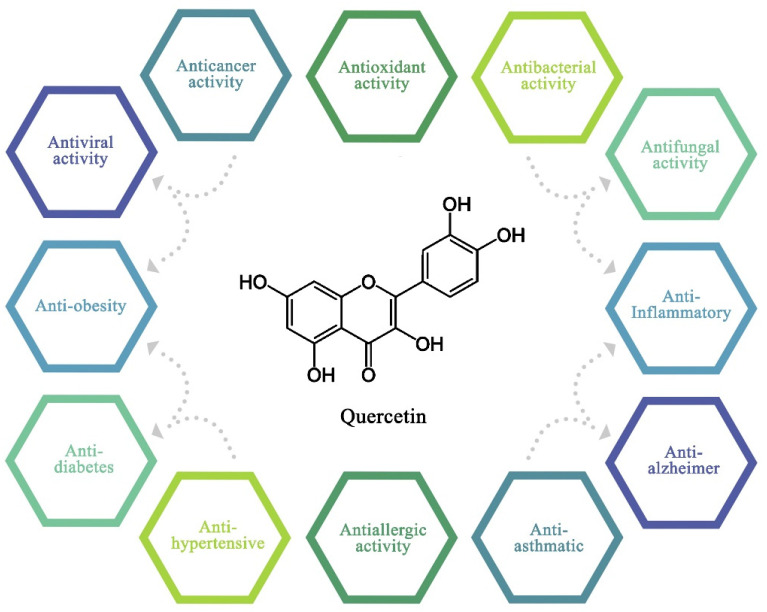
Wide-ranging benefits of Quercetin [1]
Quercetin Benefits for Allergy Regulation
One of the interesting properties of Quercetin is its ability to help regulate the immune system. It may help reduce the release of histamine, an important substance involved in allergic symptoms. In addition, it may also help reduce inflammation in the body. In a study involving 66 participants with pollen allergies who consumed 200 milligrams of Quercetin per day for 4 consecutive weeks, Quercetin was found to improve allergy symptoms such as itchy eyes, sneezing, and runny nose. It also improved aspects of the participants’ quality of life, including sleep problems. [4], [5]
Quercetin Benefits for Reducing Blood Lipids
Dyslipidemia is an increasingly common health problem, with prevalence continuing to rise. The use of natural compounds such as Quercetin to help reduce blood lipid levels may therefore represent another potential option for future therapeutic applications. A study that pooled data from 16 studies involving participants with metabolic disorders who consumed Quercetin found that it significantly reduced blood cholesterol and LDL cholesterol levels. [6]
Quercetin Benefits for Reducing Blood Sugar Levels
Studies of Quercetin in both laboratory and animal models have shown that Quercetin may help reduce insulin resistance and regulate blood glucose levels. For this reason, an increasing number of clinical studies have investigated Quercetin to evaluate its potential applications in health. A study that pooled data from 9 studies found that consuming more than 500 milligrams of Quercetin for at least 8 weeks could significantly reduce fasting blood glucose levels. [7]
What Are the Side Effects and Precautions of Quercetin?
Safety evaluations of Quercetin supplementation have found that it has low toxicity and is not associated with serious adverse effects, even when consumed at doses as high as 2,000 milligrams per day, which is considered to be within a safe range for the general population. However, for safe use, it is recommended to consult a pharmacist or physician before taking Quercetin, particularly for individuals with underlying medical conditions, those who regularly take medications, pregnant women, or breastfeeding mothers. In addition, Quercetin is recommended to be taken after a meal containing fat to enhance absorption because it is a lipid-soluble compound. [1], [8]