Beta Glucan is a type of complex carbohydrate that has long been used in the food industry. Beyond serving as a source of energy, it also plays an important role in supporting overall health, including immune modulation, maintaining a balanced gut microbiota, and reducing the risk of chronic diseases. Its pharmacological activities and health benefits vary depending on the structure and natural source of the Beta Glucan.
In particular, Beta Glucan derived from the cell wall of yeast (Saccharomyces cerevisiae) is an important source known for its prominent role as an immunomodulator. Beta Glucan also exhibits various biological activities, including anti-allergic, anti-infective, and anti-inflammatory effects, while also supporting the body’s recovery. [1], [2], [3]
 Health Benefits and Sources of Beta Glucan. [3]
| Common Name | Beta Glucan |
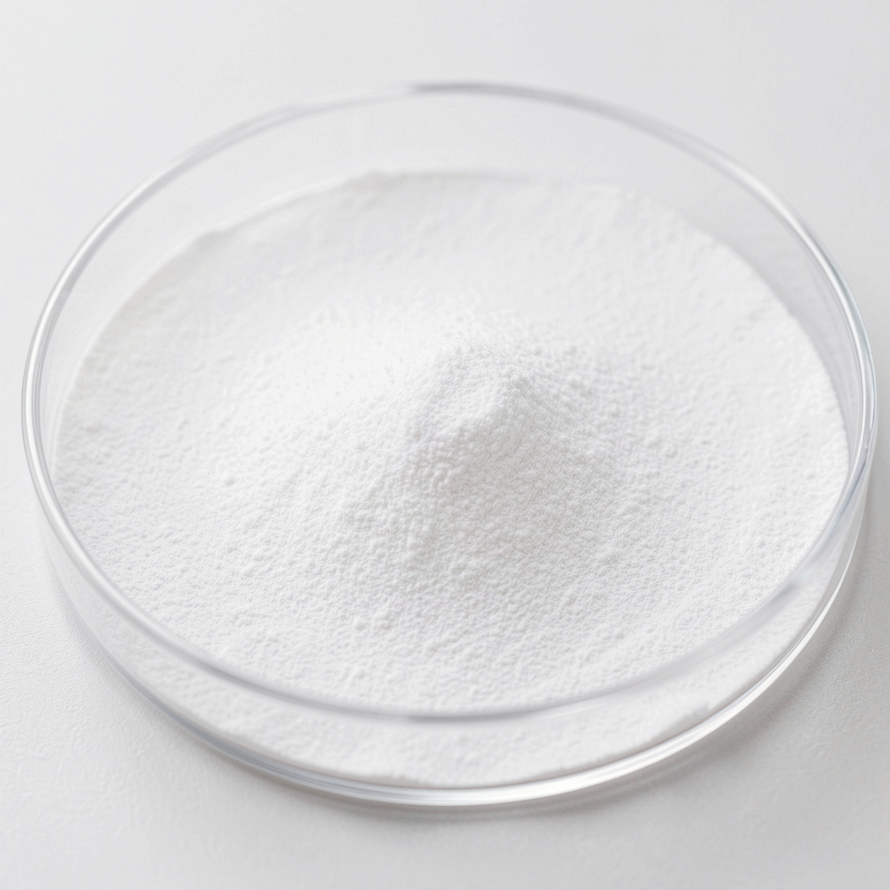
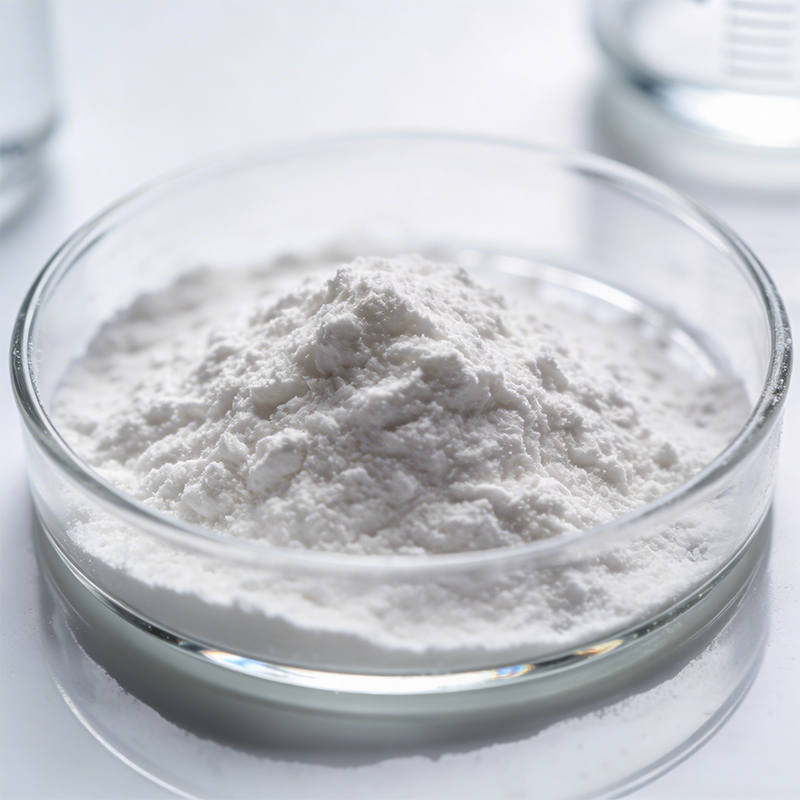
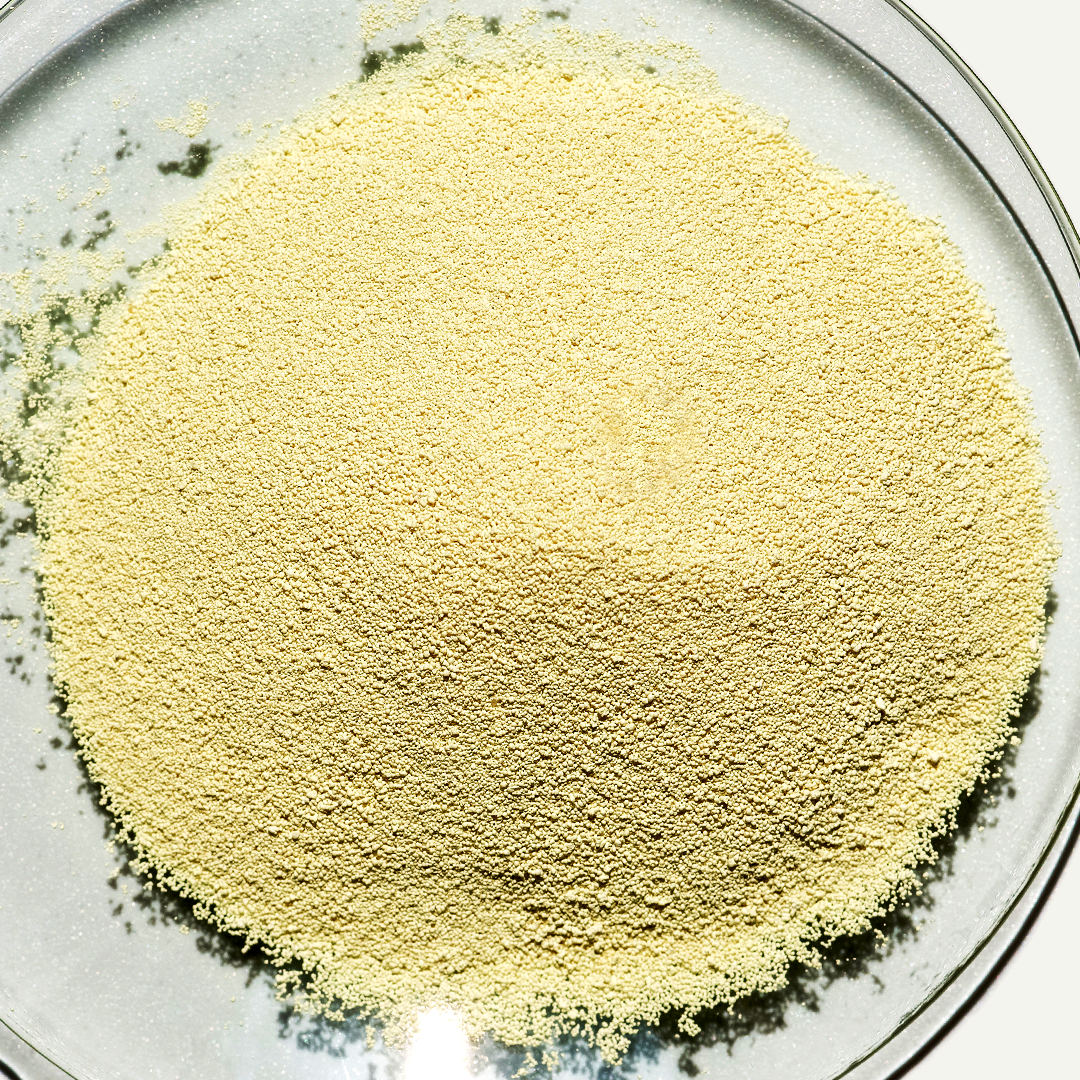
| Appearance | Yellowish-white powder |
| Source | Yeast (Saccharomyces cerevisiae) |
| Benefits | Immune modulation, anti-allergic, anti-infective, and anti-inflammatory properties |
| Recommended Product | Nectapharma AIlertec |
TLDR
Beta Glucan is a type of complex carbohydrate derived from the cell wall of yeast (Saccharomyces cerevisiae).
Yeast Beta Glucan is particularly known for its role in immune modulation. It helps restore balance to the immune system, reducing excessive immune responses to allergens and helping to decrease inflammation in the body.
Clinical studies have found that Beta Glucan supplementation in people with allergies may help relieve symptoms and improve overall quality of life.
Beta Glucan Benefits for Immune Modulation
The key reason yeast-derived Beta Glucan is widely recognized as an immune-modulating ingredient is its ability to help restore balance to a dysregulated immune system. This may help reduce excessive immune responses to allergens while also decreasing inflammation in the body.
For this reason, yeast Beta Glucan has gained increasing attention for its potential role in the prevention and management of allergic conditions. Clinical studies have shown that Beta Glucan may help reduce the severity of allergy symptoms and improve quality of life in people with allergies. [1]
Beta Glucan Benefits for Relieving Allergy Symptoms
In a clinical study involving people with pollen allergies, participants were given 100 mg per day of a new form of Beta Glucan with a modified molecular structure designed to improve water solubility (CM-Glucan Nu).
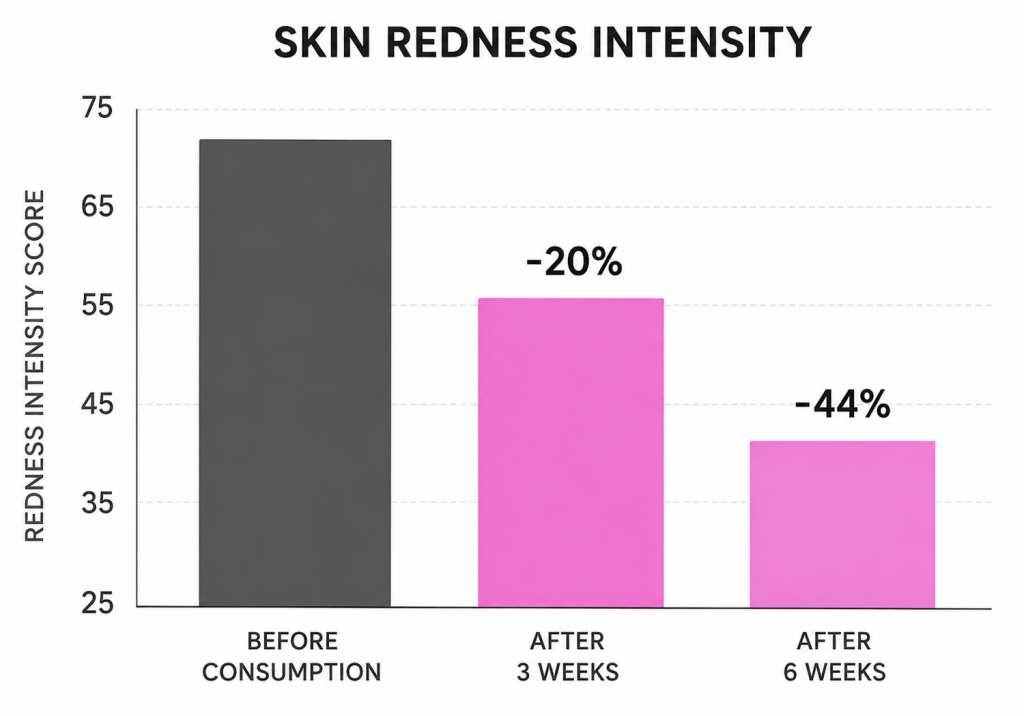
The results showed that allergy symptoms such as nasal congestion, runny nose, and sore throat improved by an average of 20% within 3 weeks, with more noticeable improvement of up to 44% after 6 weeks. [4]
Beta Glucan Benefits for Improving Quality of Life
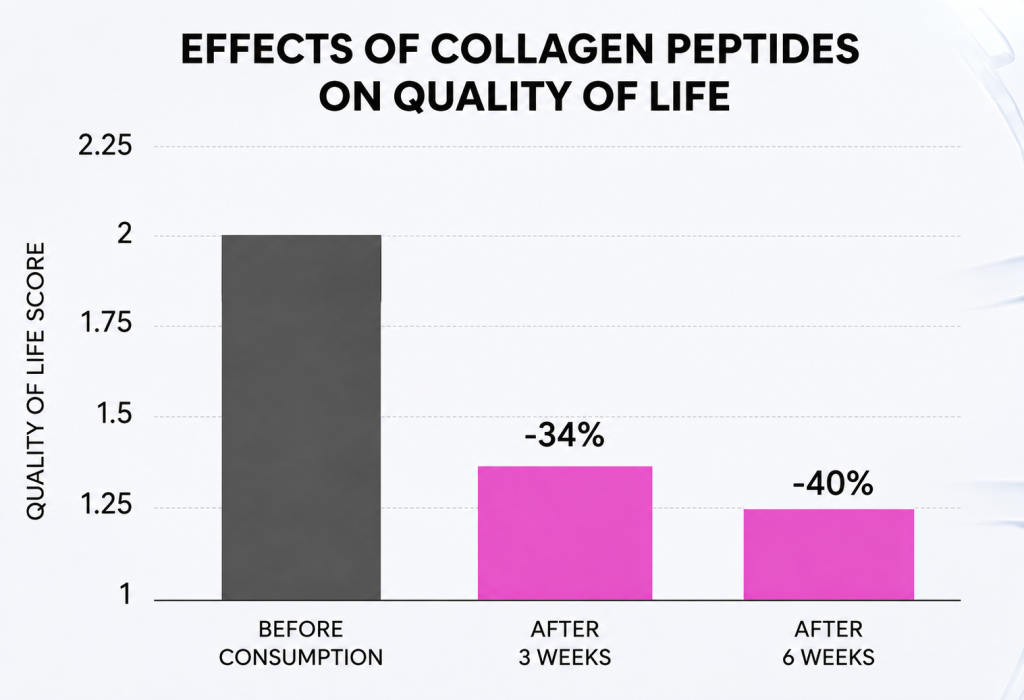
A clinical study evaluating 100 mg per day of CM-Glucan Nu, a new form of Beta Glucan, in people with pollen allergies found positive effects on several aspects of quality of life. Sleep, work performance, and concentration improved by an average of 34% within 3 weeks, increasing to 40% after 6 weeks.
Beta Glucan was also associated with improvements in emotional well-being, including reduced anxiety, depressive symptoms, and fatigue. [4]
Beta Glucan: Potential Disadvantages and Precautions
Although Beta Glucan is generally considered safe and well tolerated, some precautions should be taken. Rapid consumption of high doses, around 7–10 grams, may cause bloating or intestinal gas due to fermentation by gut microorganisms.
In addition, if a skin rash occurs after taking yeast-derived Beta Glucan, it may indicate a possible yeast allergy. In such cases, supplementation should be discontinued and medical advice should be sought promptly.
For safe use, it is recommended to consult a pharmacist or healthcare professional before taking Beta Glucan, especially for people with underlying medical conditions, those who take medications regularly, pregnant women, and breastfeeding mothers. Yeast Beta Glucan is not recommended for individuals with a known yeast allergy. [5]