If you are looking for a dietary supplement that supports both overall health and skin health, Coenzyme Q10 (CoQ10)—also known as ubiquinone—is one of the most popular options widely discussed today. But have you ever wondered: What exactly is Coenzyme Q10? What does CoQ10 help with? And why has it become so widely recognized in the health and wellness field?
This article will take you through an in-depth exploration of what CoQ10 is, the benefits of Coenzyme Q10, and how it supports the body and overall health.
| Common Name |
Coenzyme Q10 (CoQ10) |
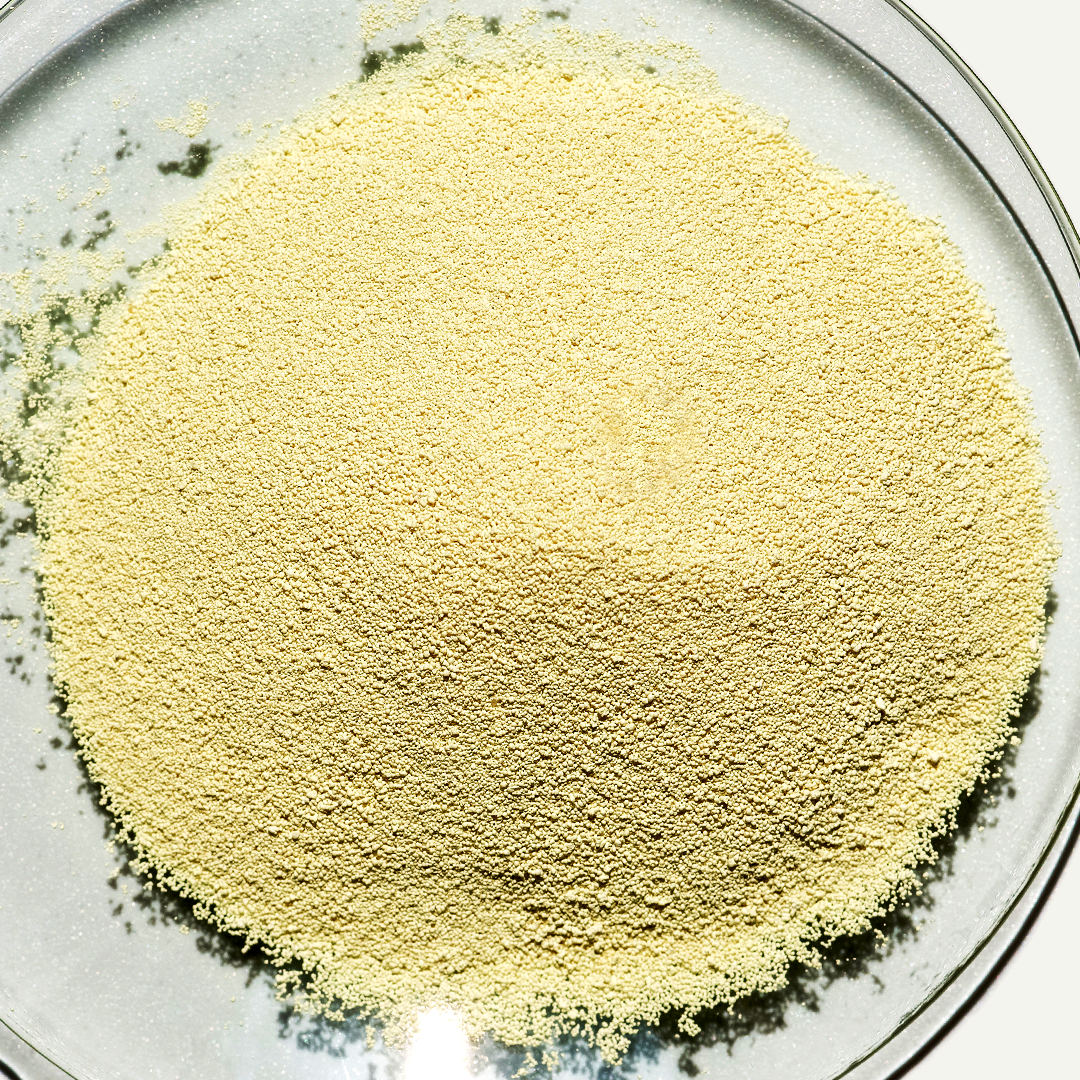
| Appearance |
A yellow powder |
| Sourse |
Fatty fish, organ meats, and whole grains. |
| Key Benefits |
Fatty fish, organ meats, and whole grains Serves as a cellular energy source and acts as an antioxidant; supports skin health and cardiovascular health. |
| Recommended Product |
Nectapharma Luminari Astaxanthin |
TLDR
Coenzyme Q10 (CoQ10) is a naturally occurring compound produced by the body and found in every cell, especially in organs with high energy demands such as the heart, liver, and kidneys. It plays a vital role in cellular energy production (ATP synthesis) and acts as an antioxidant to help slow cellular aging.
Ubiquinone and ubiquinol are the two forms of CoQ10, which can be converted into each other within the body.
CoQ10 provides broad health benefits across multiple body systems, including skin health, cardiovascular health, and brain health.
What Is Coenzyme Q10? (What Is CoQ10?)
CoQ10 is a compound that the body can naturally produce on its own and is found in every cell of the body, especially in organs with high energy demands such as the heart, liver, and kidneys. The main functions of Coenzyme Q10 are as follows:
-
Cellular energy production:
CoQ10 is a key component in the process of cellular respiration within the mitochondria, which are often described as the “power plants” of the cell. It plays an essential role in the production of basic cellular energy in the form of ATP (adenosine triphosphate), which is required for the function of all cells and organs.
-
Antioxidant activity:
CoQ10 is a powerful antioxidant that helps protect cells from damage caused by free radicals (oxidative stress), which are major contributors to cellular degeneration, chronic diseases, and aging.[1]
CoQ10 exists in two main forms in the body:
These two forms can be converted back and forth within the body. When used as a dietary supplement, ubiquinol is often cited as having higher bioavailability in many studies. However, factors such as formulation, delivery systems, and the presence of absorption-enhancing ingredients play a major role in CoQ10 absorption efficiency—not just the molecular form alone.[2]
Health Benefits of CoQ10: What Does CoQ10 Help With?
Because CoQ10 is involved in both cellular energy production and antioxidant defense, its benefits extend across multiple body systems—particularly skin health, cardiovascular health, and brain health.
1. Skin Health (What Does CoQ10 Do for the Skin?)
Coenzyme Q10 has antioxidant properties that help reduce collagen degradation within the skin. Supplementation with CoQ10 therefore helps slow premature skin aging. Studies have shown that taking CoQ10 at a dose of 50–150 mg per day for 12 weeks helps reduce facial wrinkles and improves overall skin smoothness.[3]


Patients with heart failure often have reduced levels of coenzyme Q10, which limits the ability of cardiac muscle cells to produce energy efficiently. This leads to impaired cardiac contractile function, along with increased oxidative stress that accelerates cellular deterioration.
Supplementation with CoQ10 is therefore beneficial for individuals with heart failure. Clinical studies in heart failure patients have shown that supplementation with CoQ10 at a dose of 100 mg three times daily (300 mg/day) for two years significantly reduced cardiovascular mortality, all-cause mortality, and hospitalizations due to heart failure.[4]

3. Statin-Induced Myopathy
Lipid-lowering drugs in the statin class reduce the body’s production of CoQ10, which can impair cellular energy production and lead to muscle pain and other muscle-related symptoms.
Studies have shown that supplementation with CoQ10 at doses of 100–600 mg per day can help alleviate muscle symptoms associated with statin use.[5]

Migraine is a chronic headache disorder that has been associated with low levels of coenzyme Q10 (CoQ10), increased oxidative stress, inflammation, and mitochondrial dysfunction, which affects energy production in brain cells. As a result, CoQ10 has been extensively studied as a supportive supplement for migraine management. Multiple studies indicate that one of the key benefits of Coenzyme Q10 is its ability to reduce both the frequency and severity of migraine attacks.
-
Supplementation with Coenzyme Q10 at 100 mg/day has been shown to reduce the number of migraine days and the duration of migraine attacks.
-
Supplementation with CoQ10 at 300 mg/day has been shown to reduce migraine frequency, headache intensity, and nausea.
-
Supplementation with CoQ10 at 400 mg/day has been shown to reduce migraine pain, frequency, severity, and duration.[6]
How to Take Coenzyme Q10 and Precautions for CoQ10 Use
-
CoQ10 should be taken with meals containing fat to enhance absorption.
-
The maximum dose considered non-toxic is up to 1,200 mg per day.
-
Individuals taking antihypertensive medications, warfarin, theophylline, or certain anticancer drugs should consult a physician or pharmacist before using CoQ10 supplements.[7]