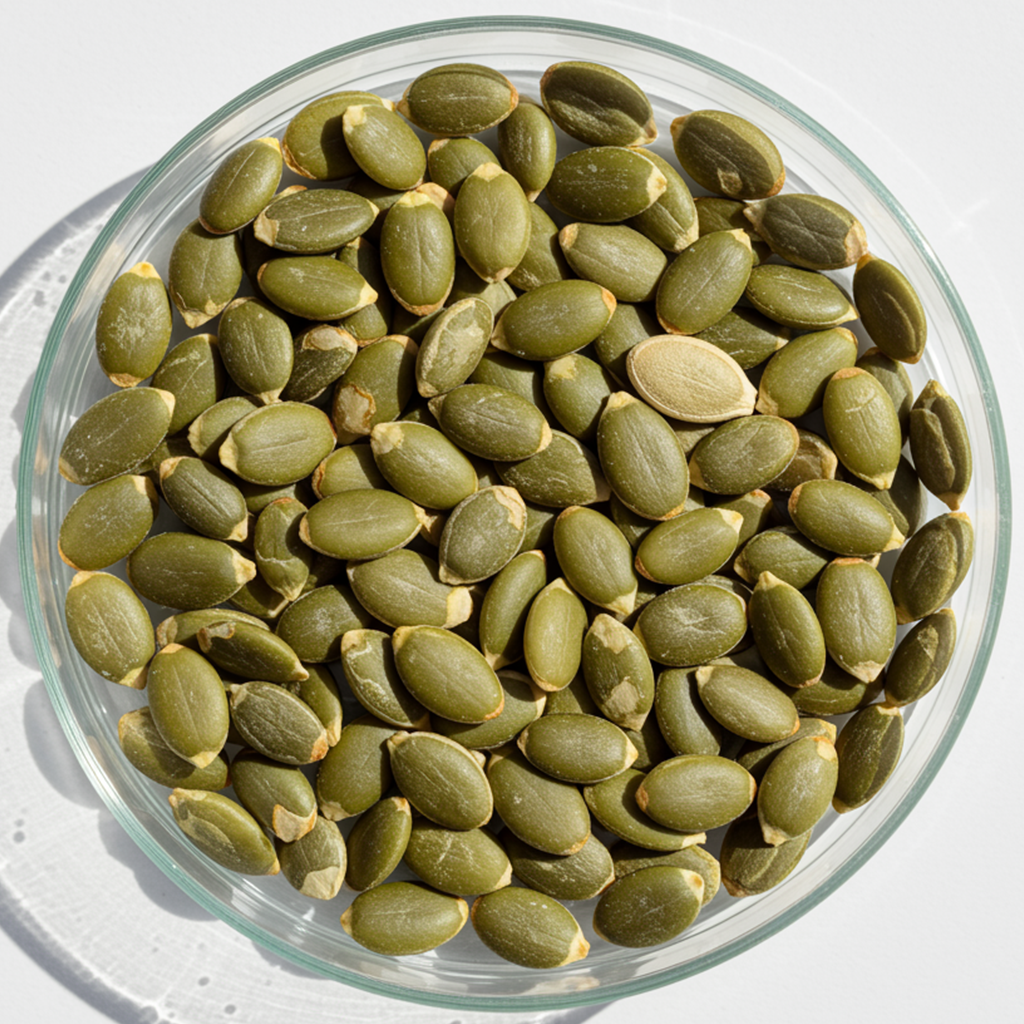
GABA (γ-Aminobutyric Acid) is an amino acid that functions as the primary inhibitory neurotransmitter in the brain and spinal cord.
Its main role is to suppress excessive neural activity within the central nervous system.[1] Because of this, GABA plays an important part in various physiological functions and has been widely studied for its potential benefits, including promoting relaxation, reducing stress[2], and supporting better sleep quality.[3]
| Common Name | GABA (γ-Aminobutyric Acid) |
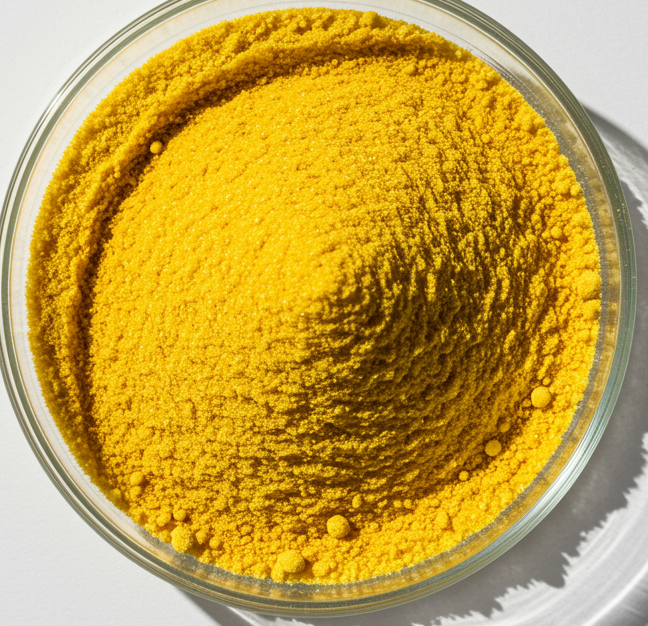
| Appearance | Light yellow powder |
| Source | Beans, potatoes, brown rice, and barley |
| Key Benefits | Helps increase deep sleep duration, reduces the time it takes to fall asleep, promotes relaxation, and helps relieve stress |
| Recommended Product | Nectapharma Night |
TLDR
GABA is an amino acid naturally produced in the body that functions to inhibit neural signaling in the brain, helping promote relaxation and improve sleep quality.
PharmaGABA is a form of GABA produced through a natural fermentation process using specific bacteria under Japanese standards, making it safer and more reliable than synthetic GABA.
Taking GABA about 30 minutes before bedtime has been shown to increase deep sleep duration, shorten the time it takes to fall asleep, and does not cause grogginess upon waking.
Another key benefit is its ability to promote relaxation and reduce stress. Studies also suggest that GABA may help alleviate symptoms of mild depression.
Exploring the Origins of GABA: Where Does It Come From?
Although the human body can naturally produce GABA, additional intake may come from GABA-rich foods or dietary supplements. Foods such as beans, potatoes, brown rice, and barley contain GABA[4]; however, the amount found in food is relatively low compared to the levels used in clinical studies. As a result, GABA supplements offer a more convenient and effective way to achieve research-backed benefits.
PharmaGABA is one of the most widely used and trusted forms of supplemental GABA. Manufactured under strict Japanese quality standards and supported by scientific research, PharmaGABA is not synthetically produced but is derived from a natural fermentation process using specific bacteria. This makes PharmaGABA a safer and more reliable option compared to synthetic GABA.
What Are the Key Benefits of GABA?
Essential GABA Functions You Should Know
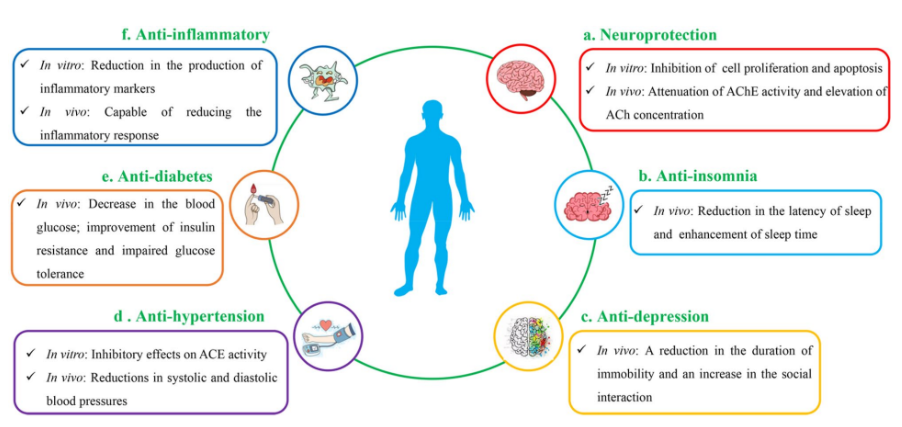
Key Benefits of GABA[4]
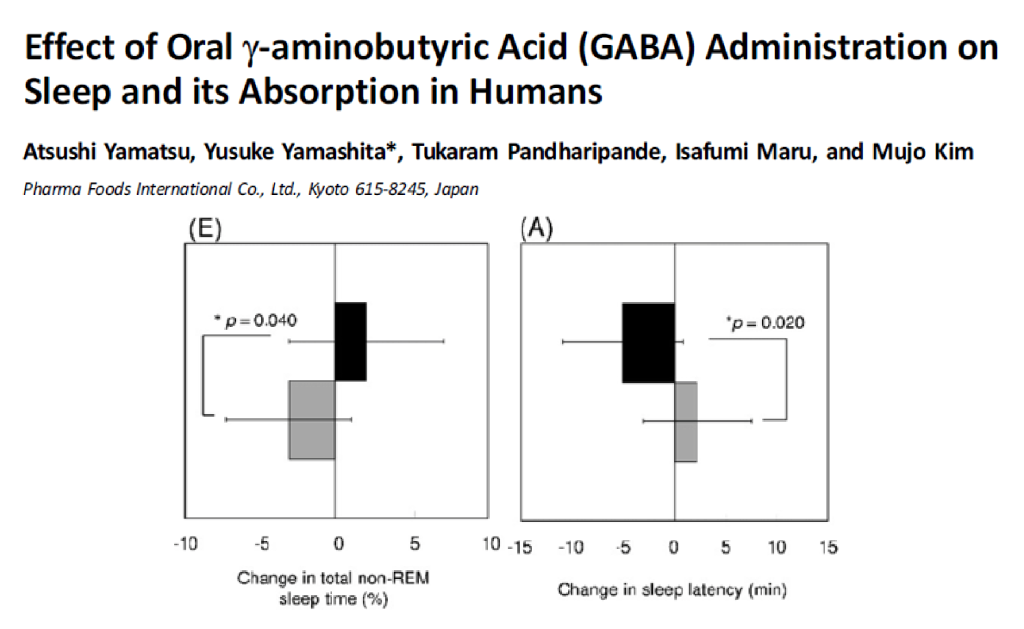
Improving sleep is one of the most well-known benefits of GABA. Numerous studies have shown that taking 100 mg of GABA about 30 minutes before bedtime in individuals with insomnia can help increase deep sleep duration and reduce the time it takes to fall asleep.
This makes GABA an effective ingredient for enhancing overall sleep quality—without causing morning grogginess or drowsiness after waking.[5], [6]
Another key benefit of GABA is its ability to promote relaxation and reduce stress. Research shows that taking 100 mg of GABA per day can increase alpha brain waves, which are associated with calmness and relaxation, while reducing beta brain waves, which are linked to stress.[7]
Additionally, some studies report that GABA supplementation may help alleviate symptoms of mild depression.[8]

Beyond the commonly known benefits of GABA, this amino acid offers even more extensive physiological support. Research indicates that GABA may help reduce inflammation, protect nerve cells, and also play a role in lowering blood pressure and reducing blood sugar levels.[4]
Potential Side Effects of GABA to Consider Before Supplementation
Safety assessments of GABA supplementation indicate that no serious adverse effects have been reported, even at doses as high as 18,000 mg per day.[9] However, some studies have noted that GABA may cause mild dizziness or drowsiness in certain individuals, though such occurrences are very rare.[5], [10]
Overall, GABA is considered safe for most people, and its side effects are generally mild. Nevertheless, for added safety, it is recommended to consult a pharmacist or healthcare professional before taking GABA especially for individuals with underlying health conditions, those taking regular medications, pregnant women, or breastfeeding mothers.