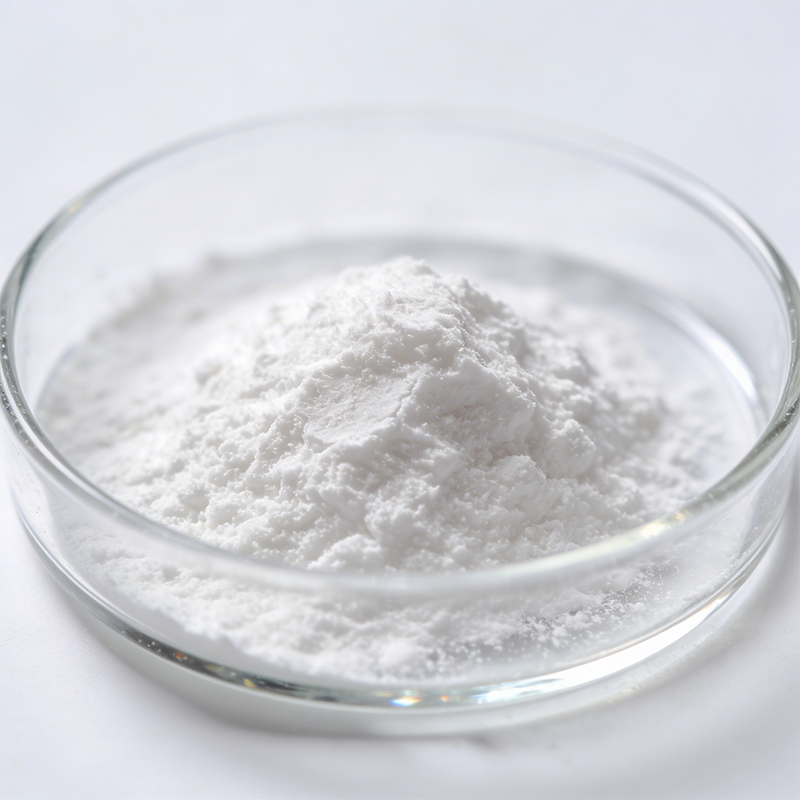
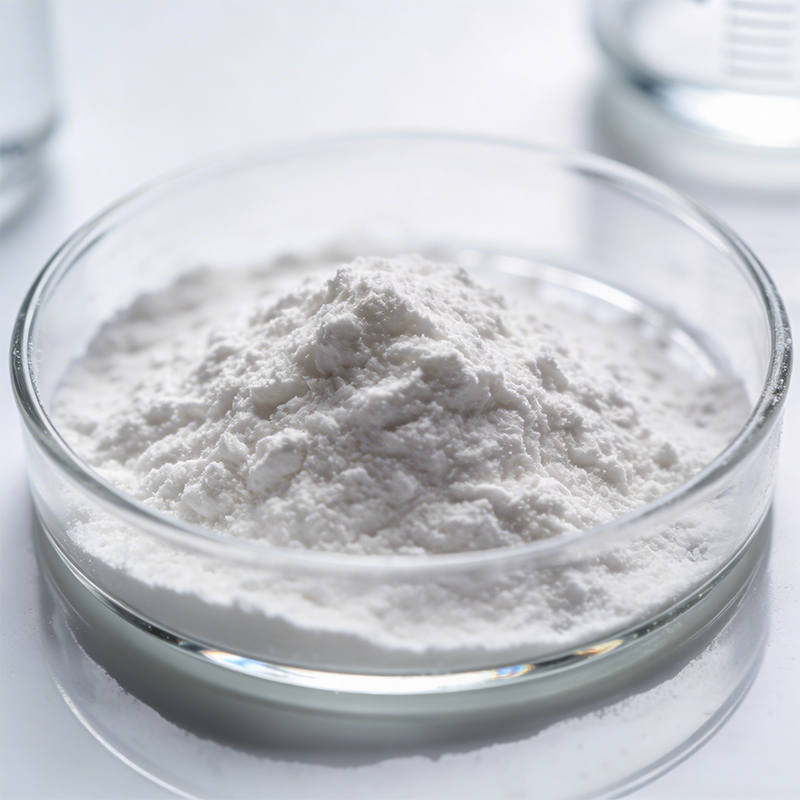
Trans-4-(Aminomethyl)cyclohexanecarboxylic Acid, commonly known as Tranexamic Acid (TXA), is a synthetic derivative of the amino acid lysine. Originally developed for medical use in the treatment of abnormal bleeding disorders, Tranexamic Acid has gained significant attention in dermatology and skincare in recent years. Today, it is widely used as a key ingredient in skincare formulations due to its remarkable ability to help reduce skin pigmentation. [1], [2]
| Common Name | Tranexamic Acid (TXA) |
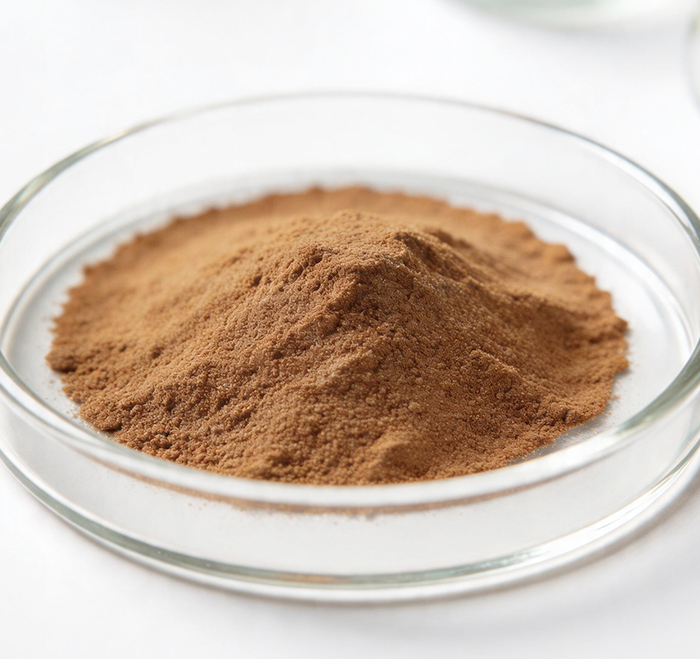
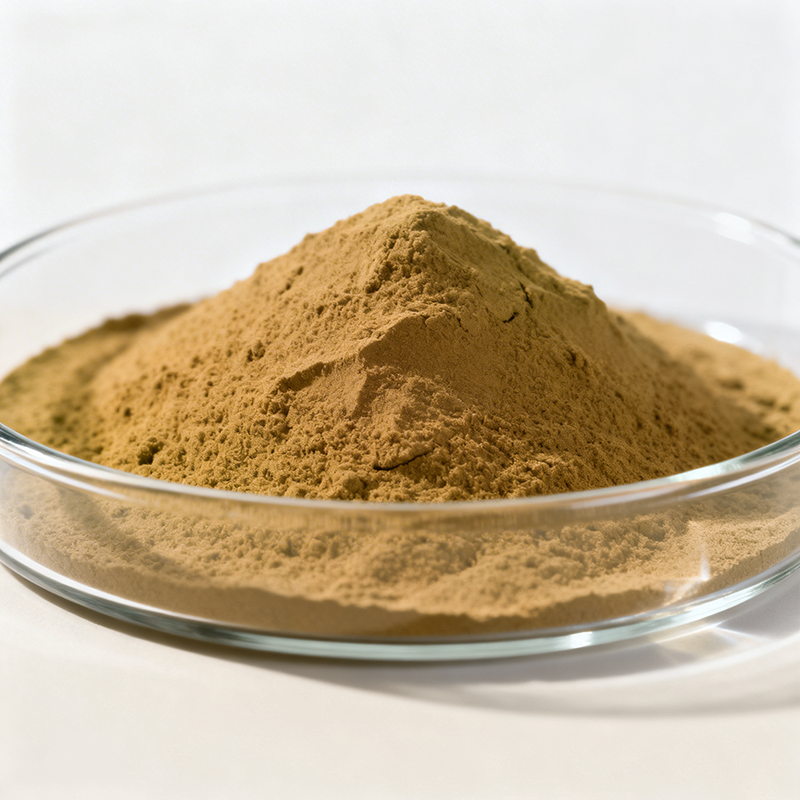
| Appearance | White powder |
| Source | Synthetic |
| Key Benefits | Inhibits melanin production, suppresses abnormal blood vessel formation, and provides anti-inflammatory benefits |
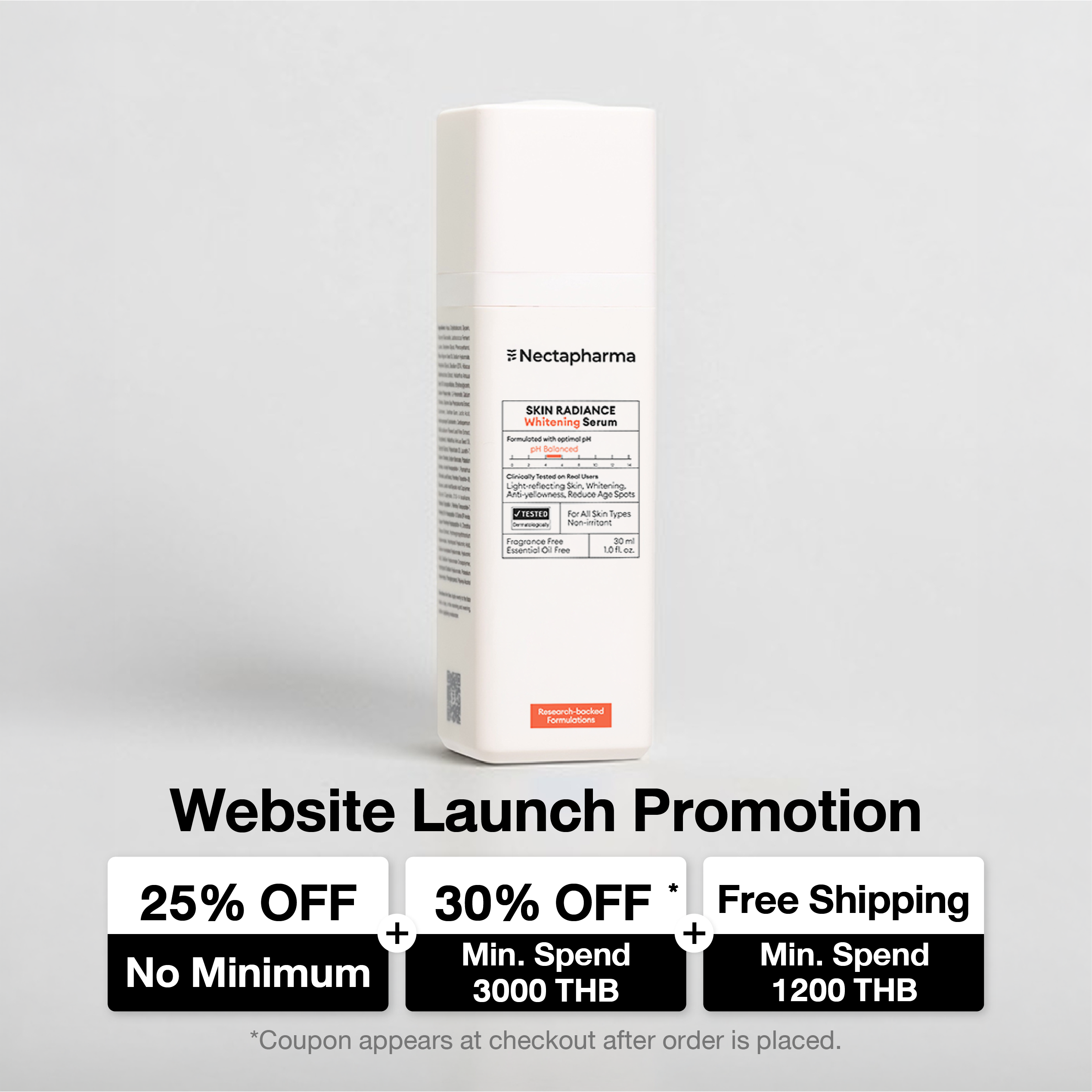
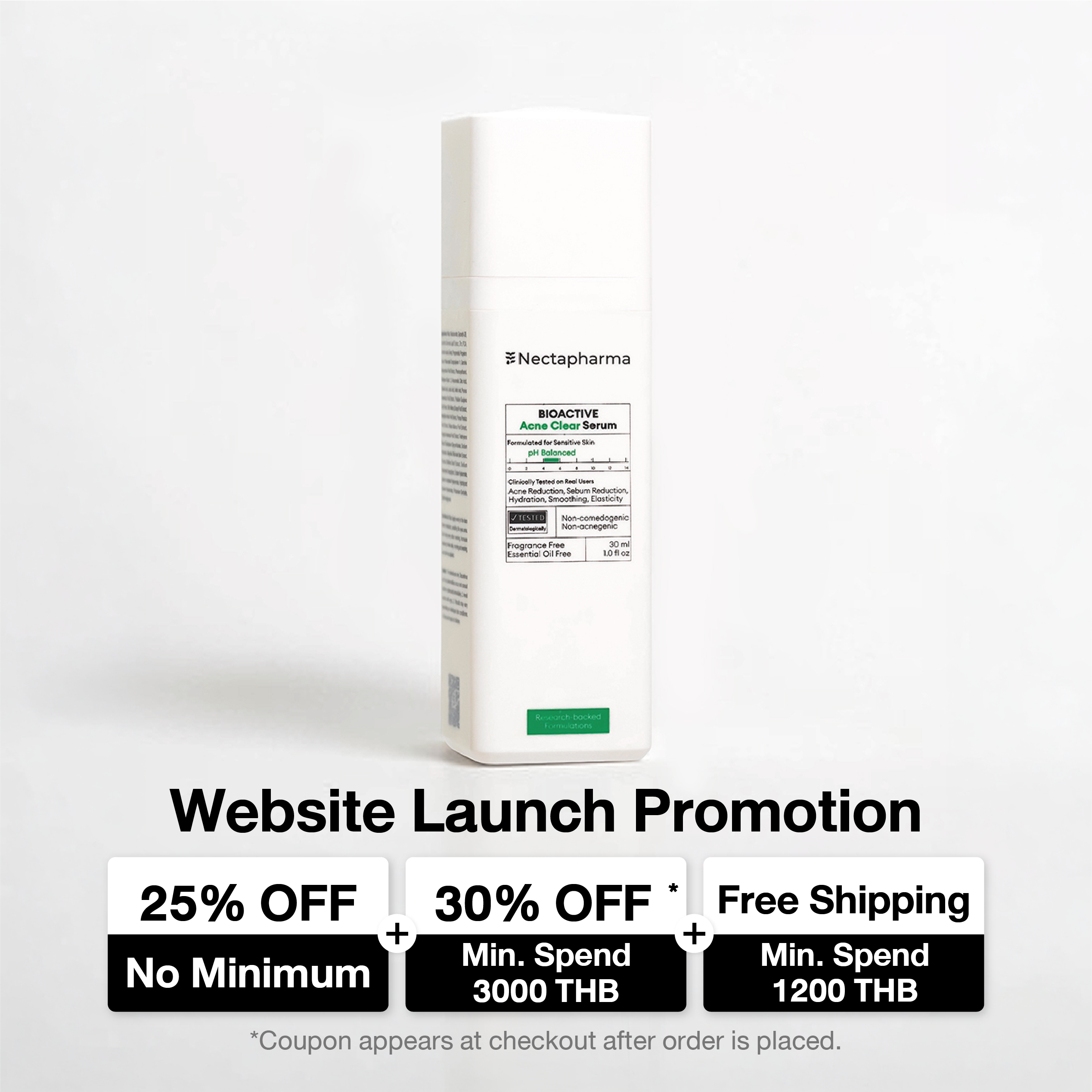
| Product | Nectapharma Skin Radiance Whitening Serum |
TLDR
Tranexamic Acid (TXA) is a synthetic derivative of the amino acid lysine.
TXA reduces pigmentation through a unique mechanism by inhibiting plasmin, a key mediator activated by UV exposure that contributes to melanin production.
Tranexamic Acid helps reduce hyperpigmentation, suppress abnormal angiogenesis, and reduce inflammation, making it highly effective for improving melasma and dark spots.
What Does Tranexamic Acid Do for the Skin?
One of the key characteristics that differentiates Tranexamic Acid (TXA) from other skin-brightening ingredients is its ability to target pigmentation through three distinct mechanisms:
1. Reduces Pigmentation Signals
When the skin is exposed to UV radiation, the enzyme plasmin becomes activated. Plasmin promotes signaling pathways that stimulate melanin production and trigger inflammatory responses. Tranexamic Acid inhibits plasmin activity, helping reduce pigmentation at its source through a mechanism that many other depigmenting agents cannot target. [2]
2. Directly Reduces Melanin Production
TXA has been shown to inhibit tyrosinase, the key enzyme involved in melanin synthesis. By reducing tyrosinase activity, melanin production decreases, helping improve the appearance of melasma and dark spots. [3]
3. Reduces Factors Associated with Melasma Development
Melasma is not caused solely by excess pigmentation. It is also associated with abnormal blood vessel formation and inflammation within the skin. Tranexamic Acid helps inhibit abnormal angiogenesis while also providing anti-inflammatory benefits, making it particularly effective for melasma management. [2]
Clinical Evidence Supporting the Pigment-Reducing Effects of Tranexamic Acid
Today, Tranexamic Acid (TXA) plays an increasingly important role in the management of hyperpigmentation and melasma due to its targeted mechanism of action and favorable safety profile compared with certain conventional treatments.
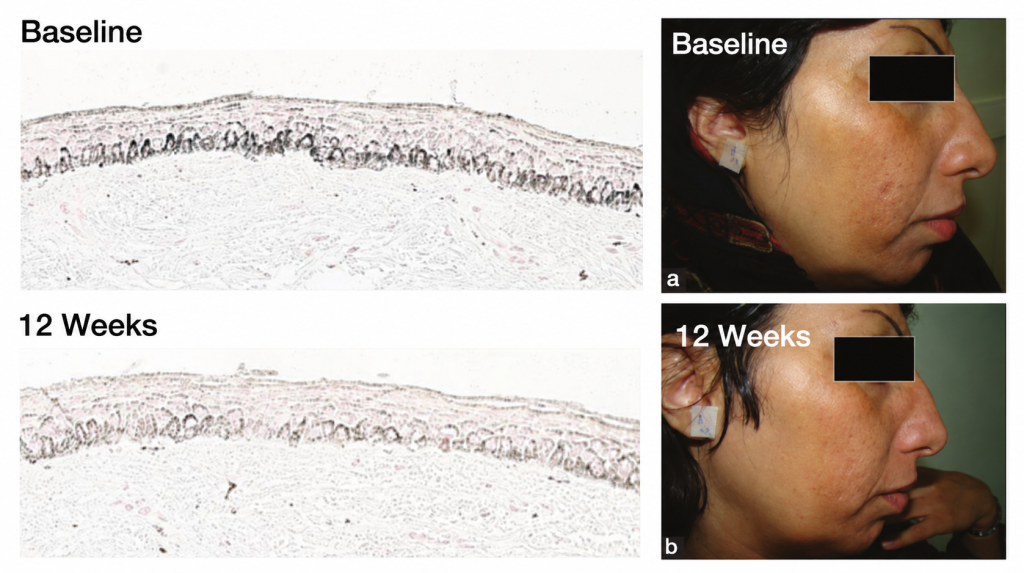
Clinical studies have shown that 2% Tranexamic Acid significantly reduced visible pigmentation in individuals with melasma after 12 weeks of use. Furthermore, another study reported that 3% Tranexamic Acid demonstrated efficacy comparable to hydroquinone for melasma improvement while producing fewer side effects when used continuously for 12 weeks. [4], [5]
The Synergistic Benefits of Combining Tranexamic Acid and Niacinamide
Many ingredients are available for addressing skin pigmentation, and both Niacinamide and Tranexamic Acid are well-known examples. However, their mechanisms of action are distinctly different.
Tranexamic Acid works by inhibiting pigmentation signaling pathways and melanin production, whereas Niacinamide helps reduce the transfer of melanin from melanocytes to surrounding skin cells. As a result, combining TXA with Niacinamide provides a more comprehensive approach to managing hyperpigmentation.
A study evaluating the combination of 2% Tranexamic Acid and 2% Niacinamide found that continuous use for 8 weeks reduced the Melanin Index by up to 7.77%. [6] 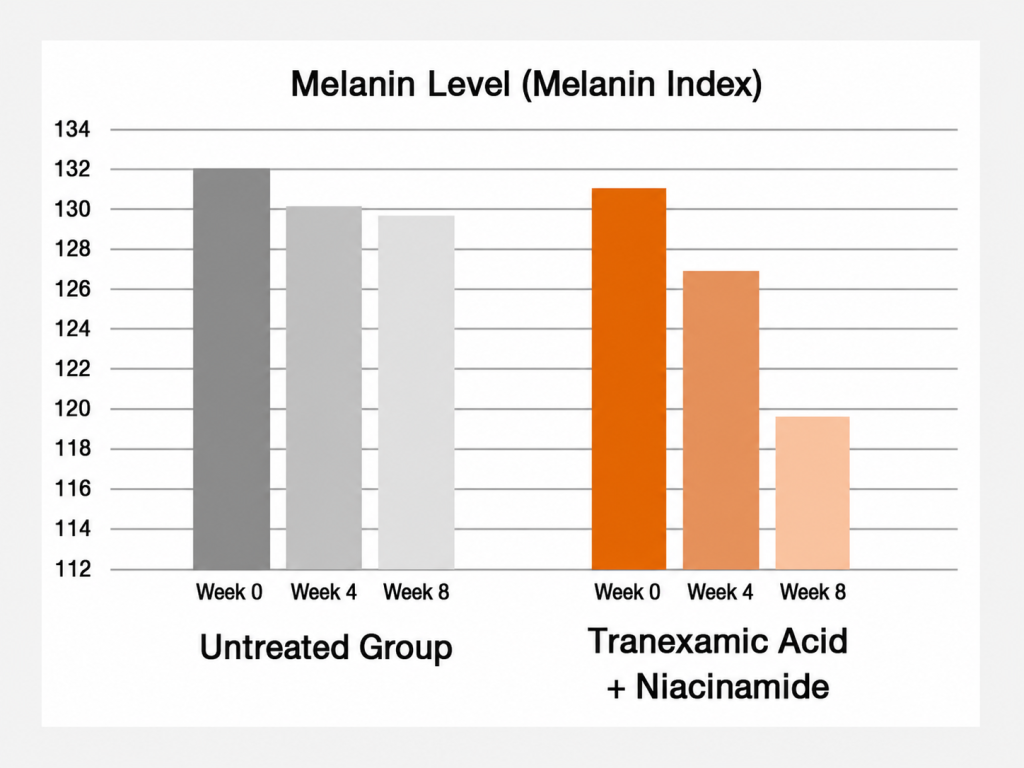
Potential Side Effects of Tranexamic Acid
In general, topical Tranexamic Acid (TXA) is considered safe and well tolerated by most skin types. However, individuals with sensitive skin may occasionally experience mild irritation, dryness, flaking, or redness. These reactions are uncommon and typically resolve with the use of a moisturizer. [2]