In the world of skincare, vitamin A derivatives, also known as retinoids, are considered the gold standard for addressing signs of skin aging. However, many people still wonder: What is Retinal? How is it different from Retinol? And what are the benefits of Retinal? This article takes a deep dive into Retinaldehyde, covering its mechanism of action, skin benefits, and important precautions for use.
| Common Name | Retinal |
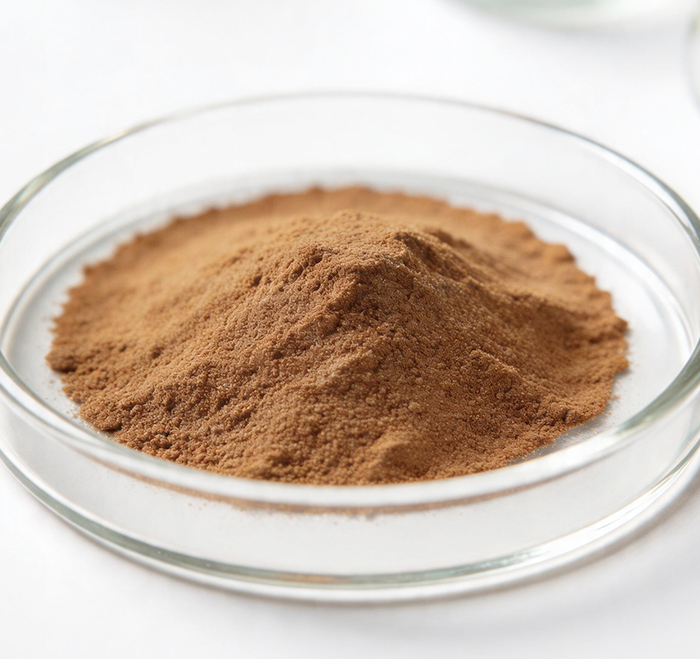
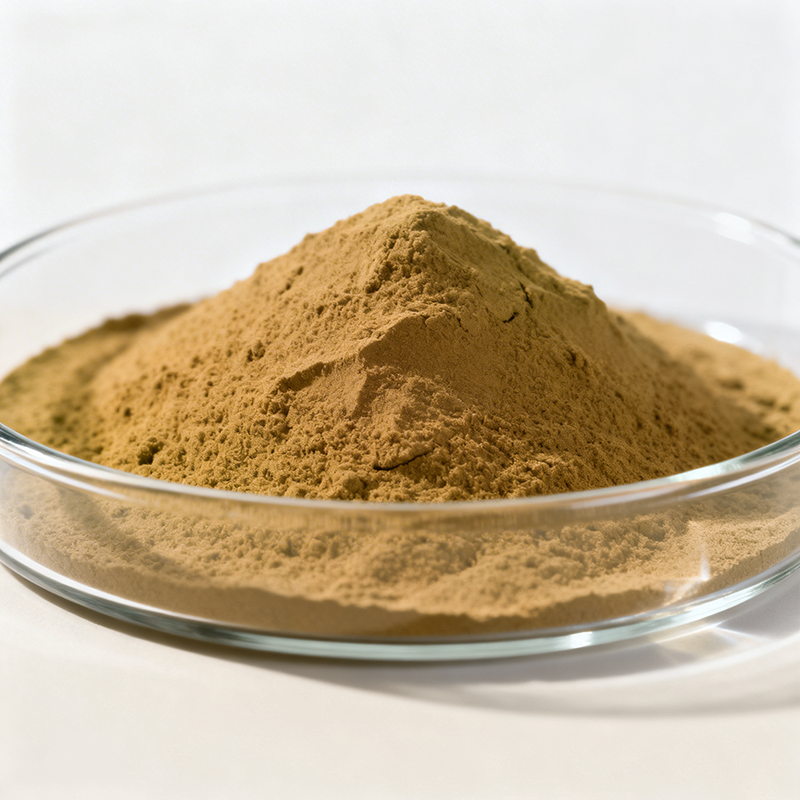
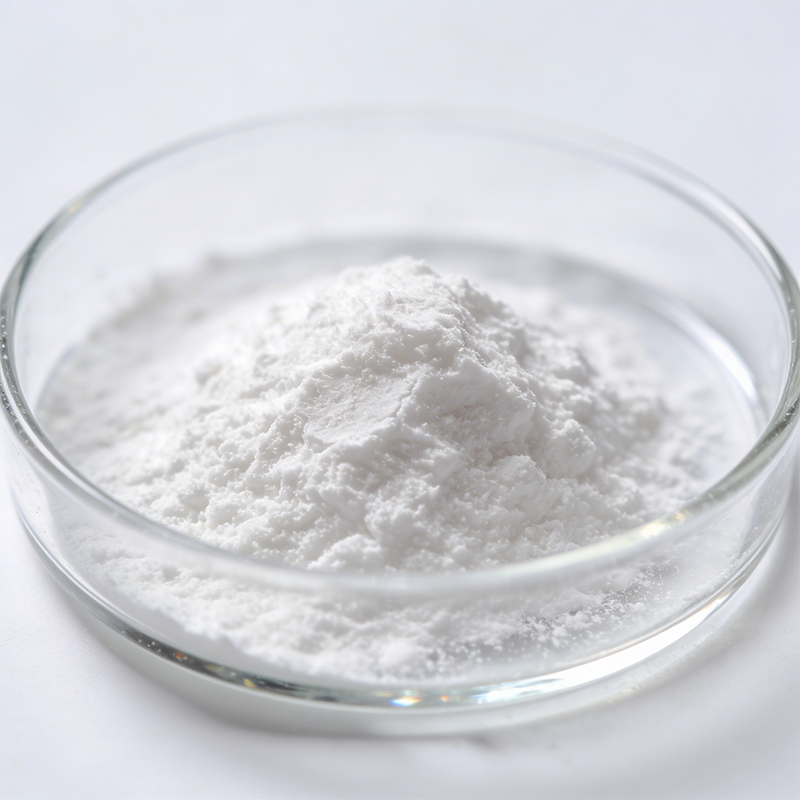
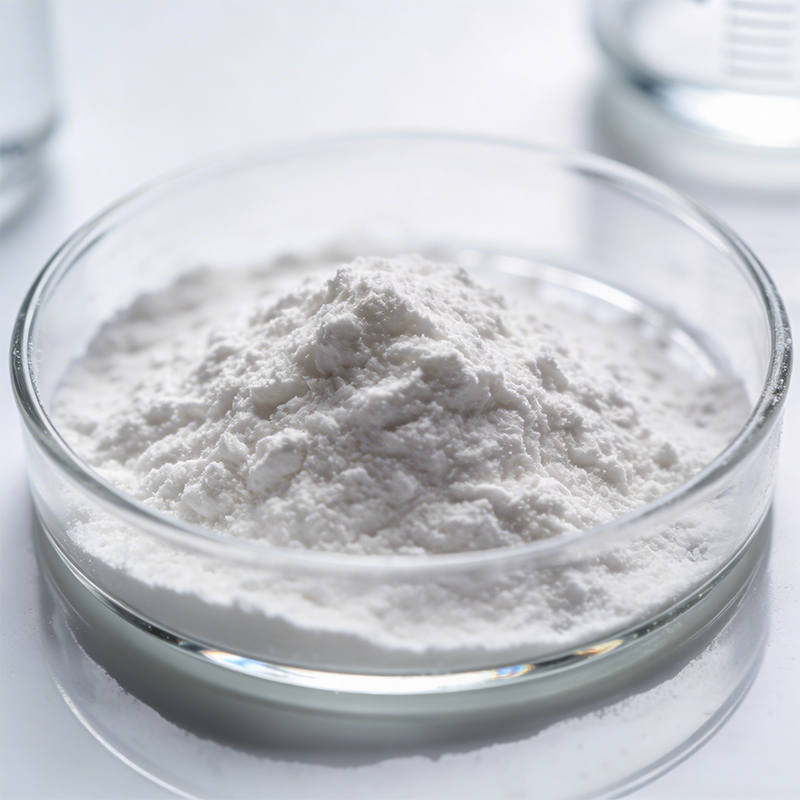
| Appearance | Yellow to dark yellow powder or liquid |
| Source | Synthetic |
| Key Benefits | Helps reduce wrinkles, promotes skin cell turnover, and supports collagen production |
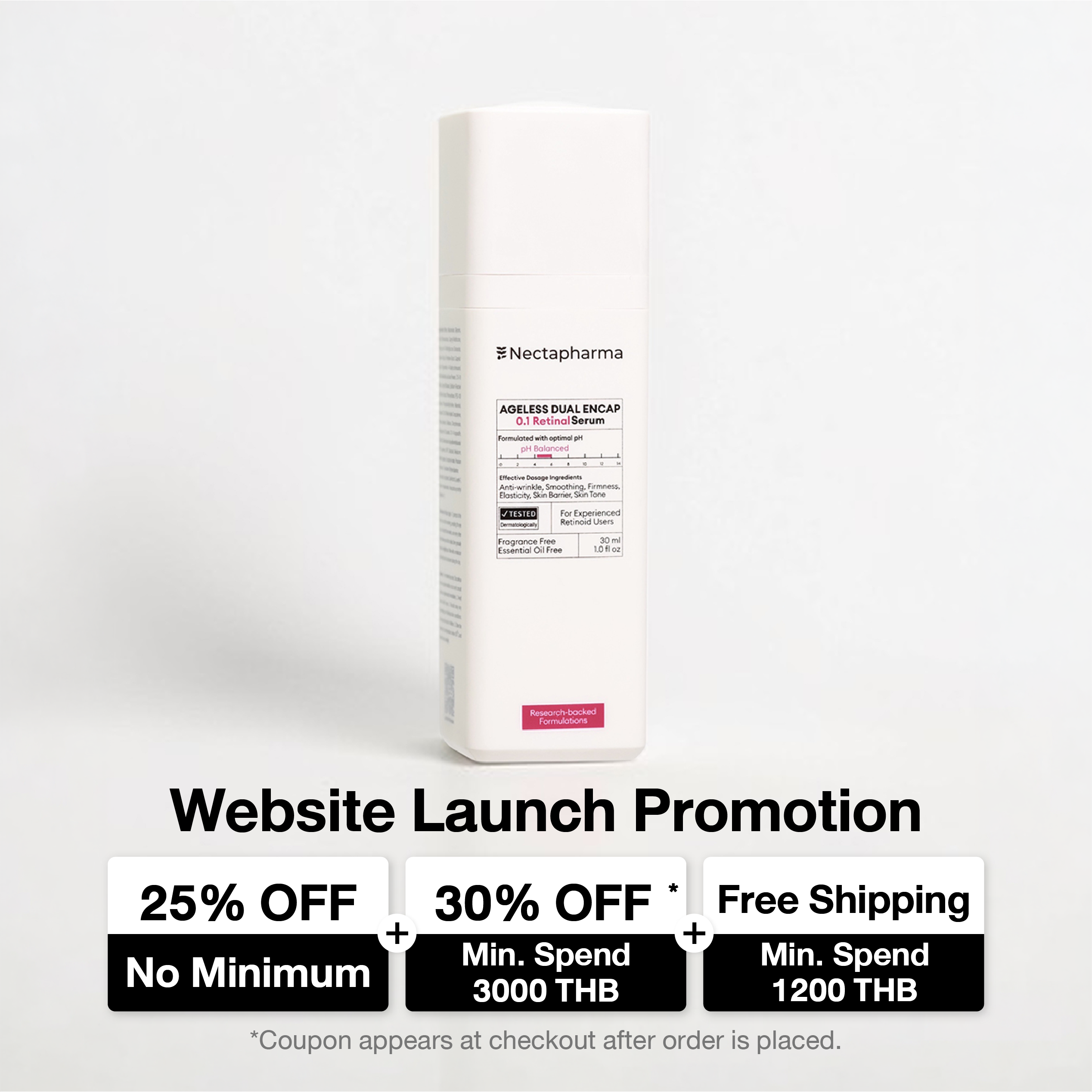
| Recommended Product | Nectapharma Ageless Dual Encap 0.1 Retinal Serum |
TLDR
Retinaldehyde is a vitamin A derivative that converts into its active form (Retinoic Acid) in just one step.
It works faster and is more potent than Retinol, making it highly effective for anti-aging and wrinkle reduction.
Because it may cause irritation, it is best suited for individuals with resilient skin and prior experience using retinoids.
What Is Retinal? How Does It Work?
Retinaldehyde, or Retinal, is a first-generation retinoid and a derivative of vitamin A. Once applied to the skin, it is converted into its active form, Retinoic Acid, which binds to nuclear receptors (RAR and RXR receptors). This interaction regulates the expression of genes involved in skin cell turnover, stimulates collagen production, and helps inhibit collagen degradation. The conversion pathway of retinoids into Retinoic Acid is as follows:
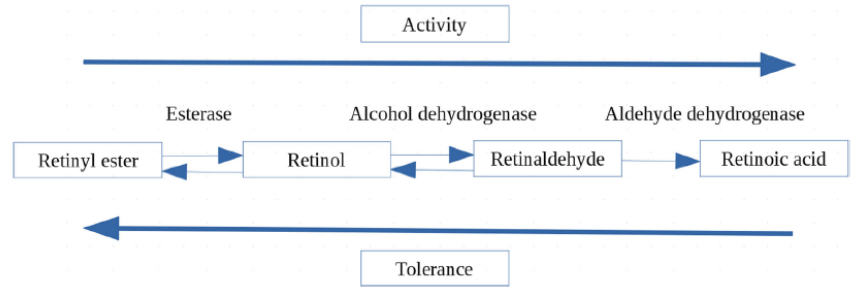
- Retinyl Ester → Requires three conversion steps before becoming active, making it a gentler form with slower visible results.
-
Retinol → Requires two conversion steps, first converting into Retinaldehyde and then into Retinoic Acid before becoming active. It is a popular form that is gentler than Retinal but less potent and slower acting.
- Retinaldehyde → Requires only one conversion step to become active. As a result, it works faster and offers the highest efficacy among cosmetic retinoids, although it may be more irritating than Retinol while remaining gentler than prescription Retinoic Acid.
- Retinoic Acid → A prescription form that is active immediately upon application but also carries the highest risk of irritation. [1], [2], [3]
Therefore, the answer to the question, “Why is Retinal beneficial?” is that it works quickly and effectively to reduce the appearance of wrinkles when used correctly and appropriately.
What Does Retinal Do? Benefits of Retinal for the Skin
1. Retinal Helps Reduce Wrinkles and Improve Skin Smoothness
A clinical study comparing 0.05% and 0.1% Retinaldehyde applied twice daily for three months found that both concentrations were equally effective at reducing fine lines, improving skin smoothness, and reducing transepidermal water loss. However, the 0.1% concentration demonstrated greater benefits in reducing skin pigmentation. [4]
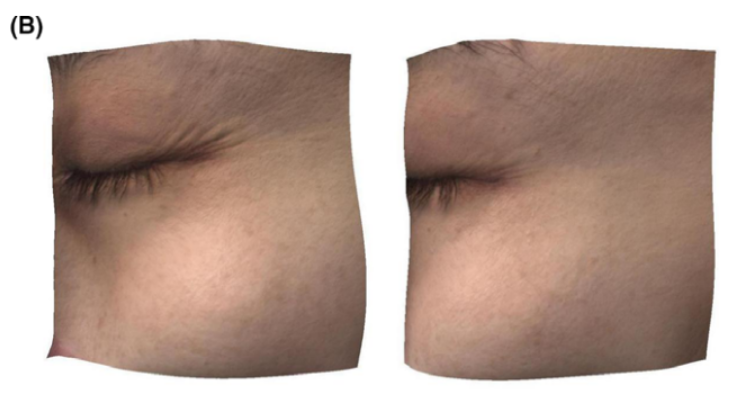
Another study found that 0.05% Retinaldehyde delivered comparable improvements to 0.05% Tretinoin (Retinoic Acid) in reducing wrinkles and skin roughness, while causing less irritation. [3]
2. Retinal Helps Stimulate Skin Cell Renewal and Increase Skin Thickness
Retinal stimulates the proliferation of keratinocytes, leading to increased epidermal thickness. As a result, the skin becomes denser, stronger, smoother, and wrinkles appear less noticeable. [2]
3. Retinal Helps Stimulate Collagen and Elastin Production
Retinaldehyde stimulates fibroblasts in the dermis to increase collagen and elastin production, improving skin density and firmness. It also inhibits Matrix Metalloproteinases (MMPs), enzymes responsible for collagen and elastin degradation, thereby helping maintain skin elasticity and delay wrinkle formation. [2]
4. Retinal Helps Reduce Hyperpigmentation
Retinaldehyde helps reduce the activity of Tyrosinase, a key enzyme involved in melanin production, while accelerating skin cell turnover. This helps reduce pigment accumulation and promote a more even skin tone. [4], [5]
How Should Retinal Be Used? What Should It Not Be Used With? What Precautions Should Be Taken?
1. How to Use Retinal Safely and Effectively
Retinaldehyde should be used only at night and applied evenly across the face, avoiding the eye area. Start with a small amount two to three times per week, then gradually increase frequency as the skin adapts. Apply a moisturizer after every use of Retinaldehyde to help minimize irritation, and use sunscreen every morning, as Retinaldehyde may increase UV sensitivity.
2. What Should Be Avoided When Using Retinal?
-
Avoid using Retinaldehyde at the same time as highly acidic ingredients such as AHA, BHA, or Vitamin C in the form of Ascorbic Acid, as well as vitamin A-based acne medications or other retinoids, as this may increase irritation.
-
Avoid using Retinaldehyde after laser treatments or procedures that may leave the skin irritated.
3. Retinal Side Effects and Precautions
-
-
Common side effects of Retinaldehyde include mild dryness, peeling, and irritation during the initial period of use. These effects generally improve as the skin adapts, which is why it is recommended to use a moisturizer alongside Retinaldehyde.
-
It is best suited for individuals with resilient skin and prior experience using retinoids and may not be suitable for those with sensitive skin.
-
It should not be used during pregnancy or breastfeeding.
-