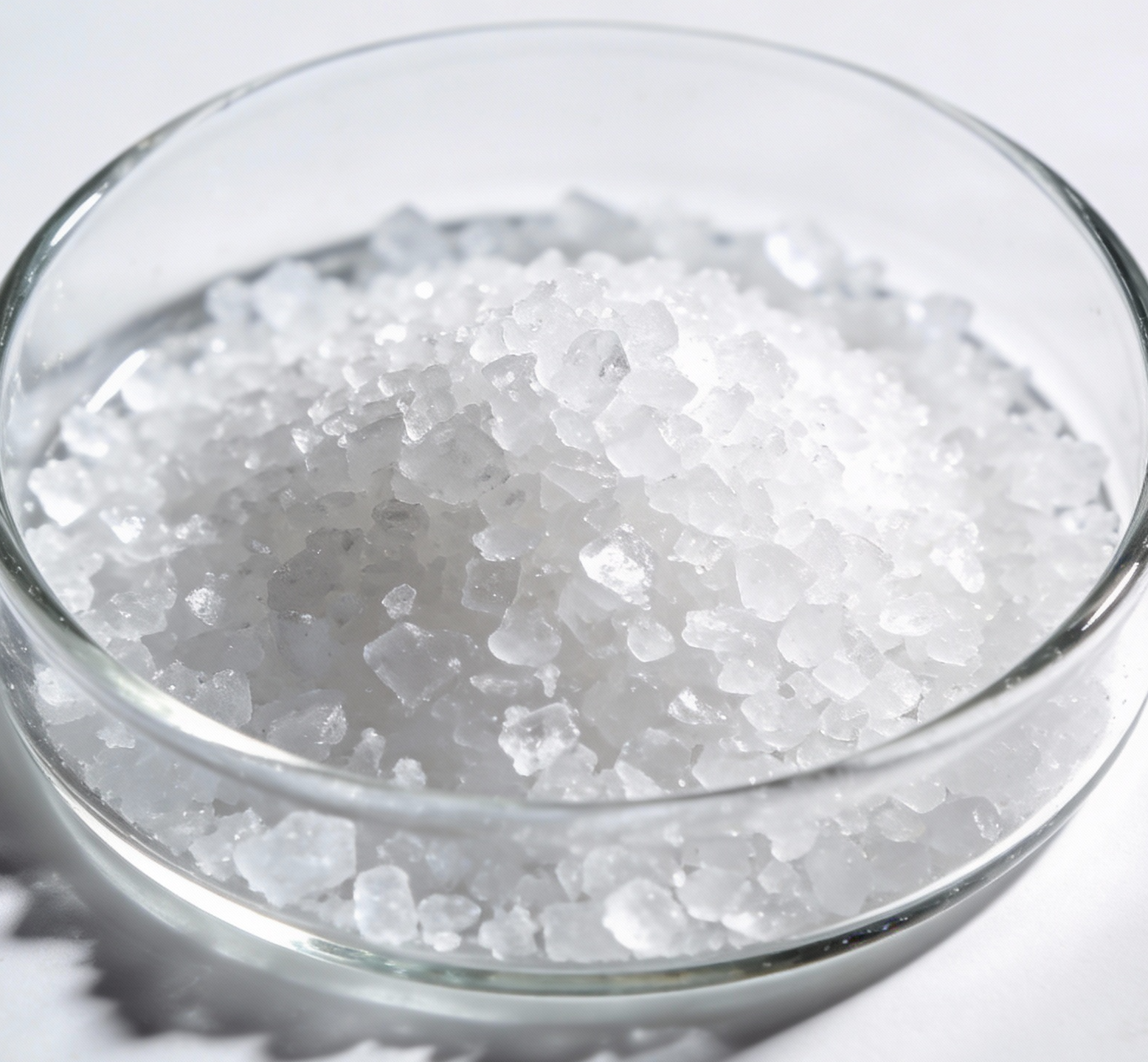
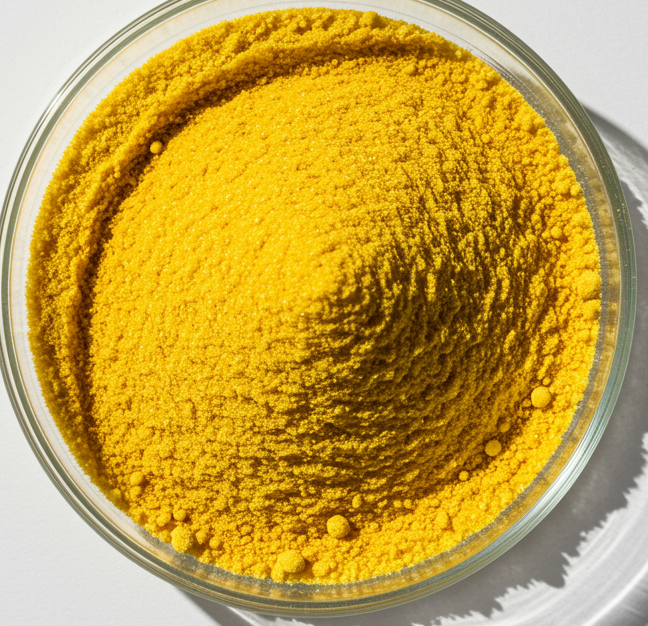
EGCG (Epigallocatechin Gallate) is one of the major bioactive compounds found in tea (Camellia sinensis). It belongs to a group of naturally occurring compounds called catechins, which are part of the broader polyphenol family responsible for the characteristic color, aroma, and flavor of green tea.
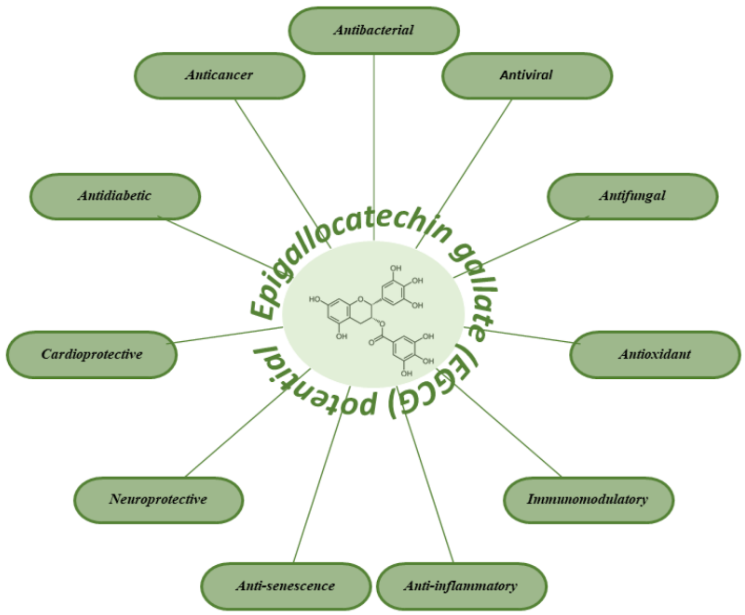
Among the various catechins present in green tea, EGCG is considered the most biologically active. It has been extensively studied for its potent antioxidant, anti-inflammatory, antimicrobial, and anticancer properties. In addition, research suggests that EGCG may support weight management and help slow age-related decline. Because of its broad range of health benefits, EGCG is commonly extracted and purified into a highly concentrated form for use in dietary supplements, pharmaceuticals, and topical skincare products, where it has been widely investigated in both oral and topical applications. [1], [2], [3]
| Common Name | EGCG (Epigallocatechin Gallate) |
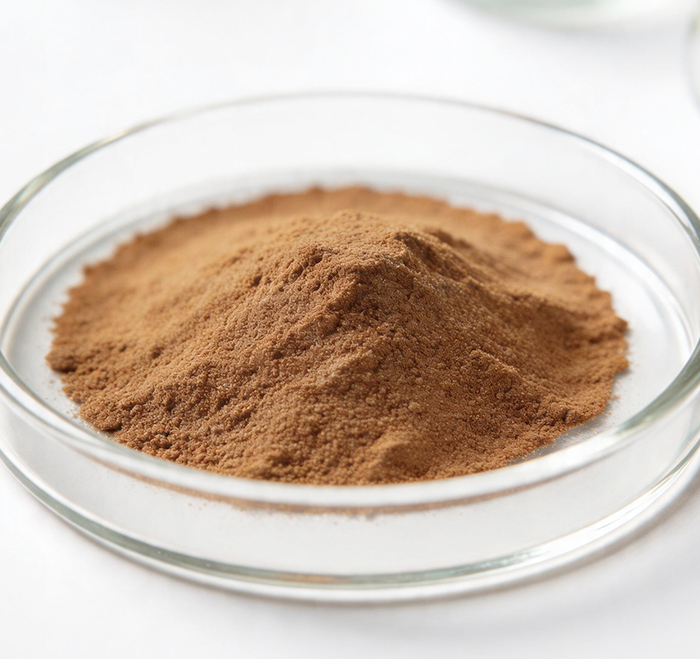
| Appearance | Greenish-brown powder |
| Source | Tea plant (Camellia sinensis) |
| Key Benefits | Antioxidant, anti-inflammatory, antibacterial, antiviral, and neuroprotective properties |
| Recommended Product | Nectapharma Bioactive Acne Clear Serum |
TLDR
EGCG (Epigallocatechin Gallate) is one of the major catechins naturally found in tea.
It is considered the most biologically active catechin, which is why it is commonly extracted and purified into a highly concentrated form for scientific research and various health applications.
Thanks to its wide range of biological activities, EGCG has been extensively used in both health and skincare. It has been studied for its ability to help manage acne, support wound healing, and reduce skin inflammation, in addition to its broader health benefits.
EGCG supplements should be used with caution, especially by individuals with underlying medical conditions or those taking medications, as EGCG may interact with certain drugs or affect existing health conditions.
EGCG for Skin: A Well-Known Skincare Ingredient
Today, EGCG extract is widely used in skincare products due to its remarkable antioxidant properties. In addition to its powerful antioxidant activity, EGCG has been shown to possess anti-inflammatory, antibacterial, and photoprotective effects, making it an effective ingredient for protecting the skin against environmental damage and supporting overall skin health. [2], [4]
EGCG for Acne
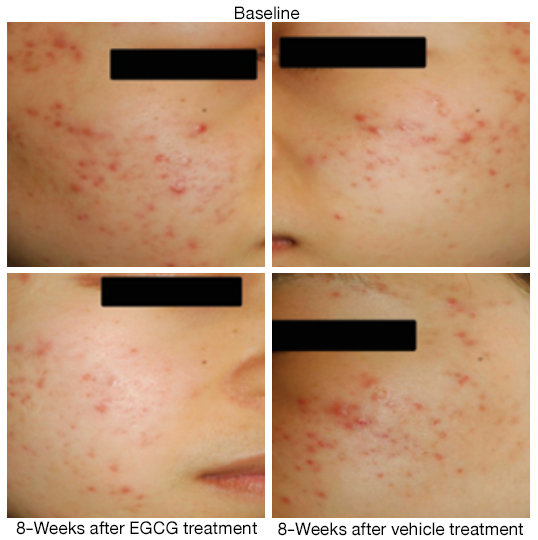
EGCG (Epigallocatechin Gallate) has attracted significant attention as an acne-fighting ingredient because it targets several key factors involved in acne development. It has been shown to help inhibit the growth of C. acnes, reduce excess sebum production, and exert anti-inflammatory effects, making it a promising option for acne-prone skin.
In one clinical study, participants who applied 1% EGCG for 8 weeks experienced a 79% reduction in both inflammatory and non-inflammatory acne lesions compared with baseline. [5]
EGCG for Wound Healing
One lesser-known benefit of EGCG (Epigallocatechin Gallate) is its potential role in wound healing. Research suggests that EGCG may promote the formation of new blood vessels (angiogenesis), support skin regeneration, and help regulate immune responses, making it an increasingly studied ingredient for wound repair.
In one clinical study, patients with plantar ulcers caused by leprosy who were treated with 1% EGCG every 3 days for 8 weeks showed significant improvement in wound healing compared with their condition before treatment. [6], [7]
EGCG for Reducing Skin Inflammation
In vitro studies have demonstrated that EGCG (Epigallocatechin Gallate) possesses a wide range of biological activities, suggesting its potential for managing various skin conditions. As a result, EGCG has been further investigated in human studies to evaluate both its efficacy and safety.
A review of eight clinical studies involving individuals with inflammatory skin disorders found that EGCG significantly reduced skin inflammation, with no serious adverse effects reported during treatment. [8]
EGCG: Broad Health Benefits Beyond Skincare
Extensive research on EGCG (Epigallocatechin Gallate), the principal catechin found in green tea, has revealed a wide range of biological activities that may benefit overall health. Studies have shown that EGCG possesses anti-inflammatory, anticancer, antimicrobial, and neuroprotective properties, making it an important compound for ongoing research into disease prevention and health management. [2], [3]
EGCG for Cholesterol Management
As cardiovascular disease continues to be a major global health concern, elevated blood cholesterol remains one of its key risk factors. Because of its potential cholesterol-lowering effects, EGCG has been extensively studied for cardiovascular health.
A meta-analysis of 17 clinical studies found that healthy adults who consumed 107–856 mg of EGCG daily for 4–14 weeks experienced a significant reduction in LDL cholesterol (LDL-C), suggesting that EGCG may help support heart and vascular health. [9]
EGCG and Cancer Research
One of the most widely studied health benefits of EGCG is its potential role in cancer prevention. As cancer incidence continues to rise worldwide, EGCG has attracted considerable attention for its anticancer properties.
In one clinical study involving men at high risk of prostate cancer, participants who consumed a catechin supplement containing 51.88% EGCG daily for one year had a prostate cancer incidence of only 3%, compared with 30% in the control group. [10]
Potential Risks and Safety Considerations of EGCG
While EGCG offers numerous potential health benefits, excessive intake may increase the risk of liver toxicity. Therefore, individuals with liver disease or impaired liver function should use EGCG supplements with caution.
EGCG may also interact with certain medications, particularly those used to manage diabetes or high blood pressure. These interactions may enhance the effects of the medications, potentially leading to excessively low blood sugar or blood pressure, which can cause dizziness, lightheadedness, or fatigue. [11], [12]
Despite these precautions, EGCG is generally considered safe for healthy adults when consumed within recommended limits. Current evidence suggests that the maximum safe daily intake is 338 mg/day from solid supplements and 704 mg/day from beverages.
To ensure safe use, individuals with underlying medical conditions, those taking prescription medications, pregnant or breastfeeding women should consult a physician or pharmacist before taking EGCG supplements. [13]