In recent years, Aquatide 5000BG, commonly known as Aquatide, has become one of the most talked-about ingredients in skincare, particularly within the anti-aging category. Its growing popularity stems from its unique ability to stimulate autophagy, a cellular recycling process that plays a key role in slowing skin aging. This article explores what Aquatide is, how it works, its skin benefits, and the clinical studies conducted on human skin.
| Common Name | Hexacarboxymethyl dipeptide-12 |
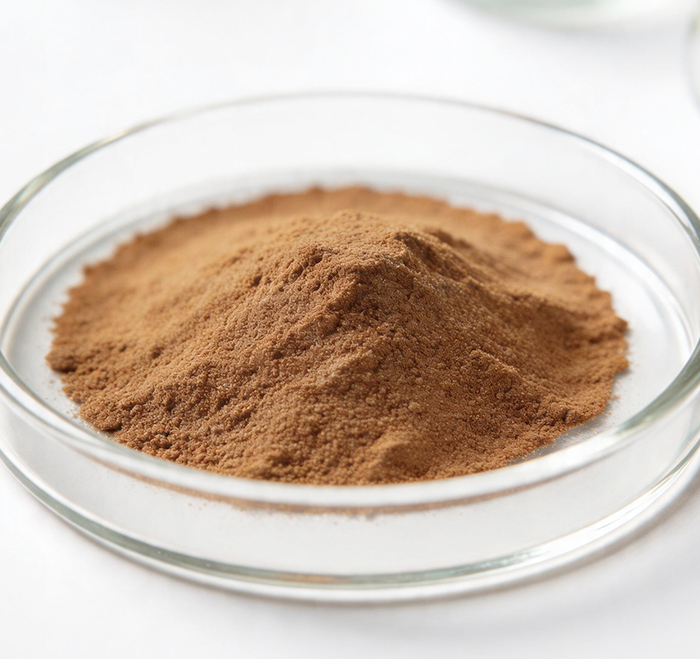
| Appearance | Colorless clear liquid |
| Source | Synthetic |
| Key Benefits | Helps slow skin aging, improves skin elasticity through autophagy activation, stimulates ceramide production to strengthen the skin barrier, and provides antioxidant protection |
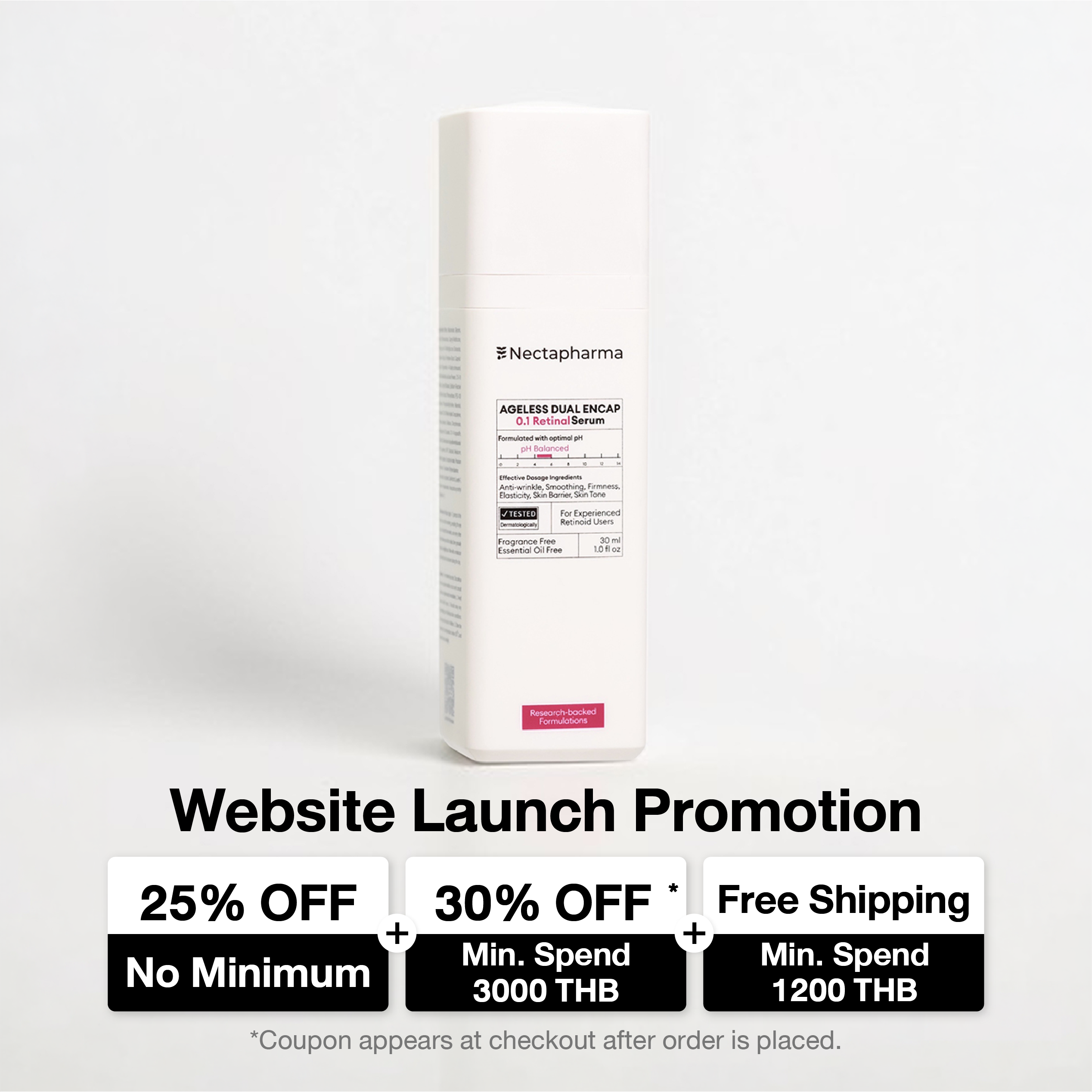
| Product | Nectapharma Ageless Dual Encap 0.1 Retinal Serum |
TLDR
Aquatide (Aquatide 5000BG) is a peptide that stimulates autophagy, the cellular recycling process that removes and repurposes damaged cellular components.
Helps slow skin cell aging and improve skin elasticity.
Stimulates ceramide production to strengthen the skin barrier and improve moisture retention.
Provides antioxidant protection against oxidative stress.
What Is Aquatide?
Aquatide 5000BG, or Aquatide, is a synthetic peptide with the INCI name Hexacarboxymethyl Dipeptide-12. Its structure was designed by combining the beneficial properties of two well-known compounds: Resveratrol, which is recognized for activating SIRT1 and promoting autophagy to support skin longevity, and Pyrrolidone Carboxylic Acid (PCA), a natural moisturizing factor (NMF) naturally present in human skin. [1]
In addition, Aquatide received the Gold Award in the Innovation Zone Best Ingredient category at in-cosmetics Asia 2016, highlighting its innovation in cosmetic science.
What Does Aquatide Do? Mechanisms of Action and Benefits
1. Activates Autophagy to Support Skin Longevity
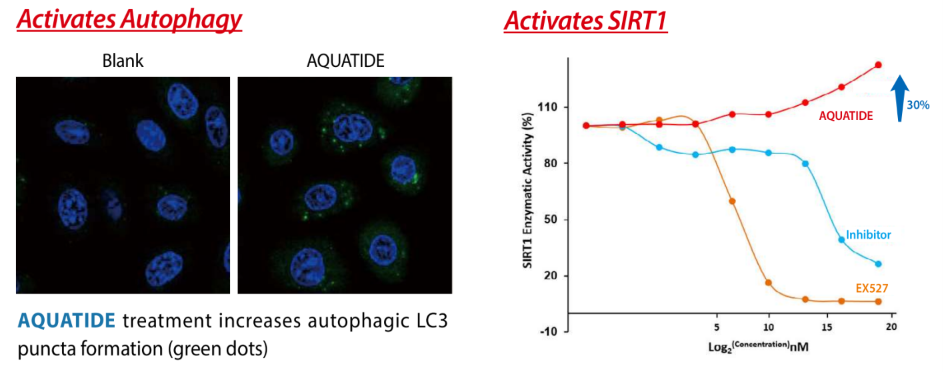
Aquatide stimulates the activity of Sirtuin 1 (SIRT1), which triggers autophagy, a cellular process in which damaged cellular waste and dysfunctional organelles are broken down and recycled. This helps restore normal cellular function and reduces cellular damage caused by UV radiation, thereby helping to slow visible skin aging. [1], [2]
2. Strengthens the Skin Barrier
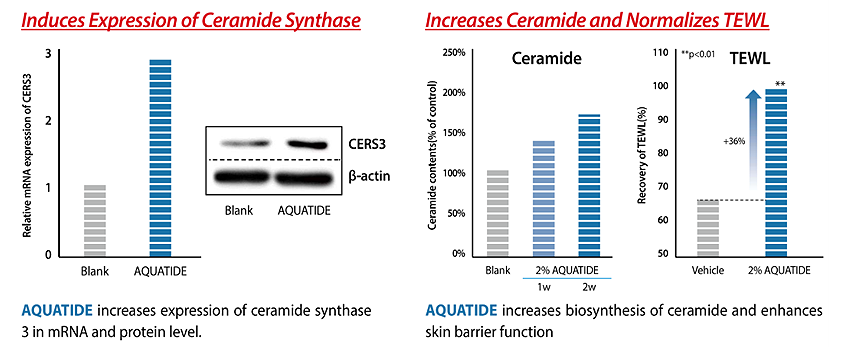
Aquatide 5000BG induces the production of Ceramide Synthase 3, leading to increased ceramide synthesis within the skin. Higher ceramide levels help reduce water loss, strengthen the skin barrier, and improve the skin's ability to retain moisture. [2]
3. Provides Antioxidant Protection
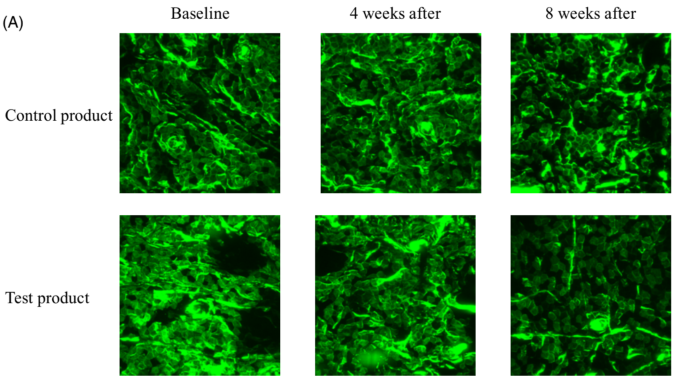
Aquatide exhibits potent antioxidant activity. Research has shown that it can enhance the skin's antioxidant defense system and significantly reduce the levels of carbonylated proteins, proteins within the epidermis that have been damaged by oxidative stress. [2]
Clinical Benefits of Aquatide
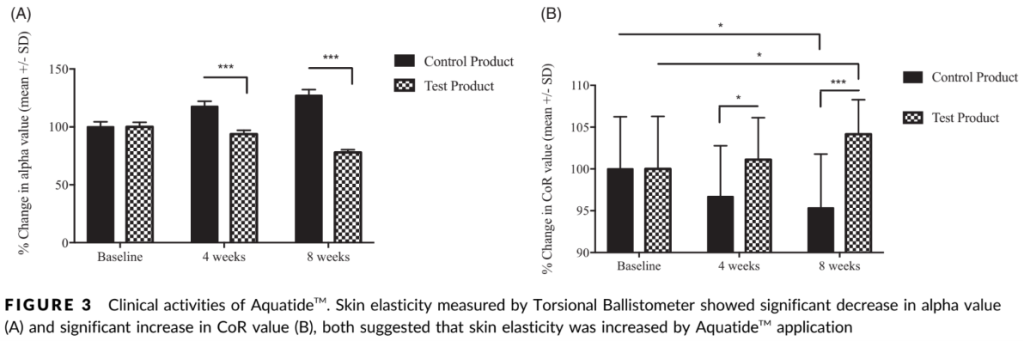
A clinical study evaluating 0.01% Aquatide, applied twice daily for 8 weeks, demonstrated a statistically significant improvement in skin elasticity compared with the placebo group. Researchers also measured carbonylated proteins (CPs) in the stratum corneum, a biomarker of oxidative stress in the skin. Results showed that the Aquatide-treated group experienced a significant reduction in CP levels at both Week 4 and Week 8, supporting the antioxidant effects previously observed in laboratory studies. [2]
Aquatide (Aquatide 5000BG) is an innovative peptide that helps rejuvenate the skin at the cellular level through multiple mechanisms, including autophagy activation, skin barrier enhancement, and antioxidant protection, making it a promising ingredient for maintaining healthier, stronger, and more youthful-looking skin.