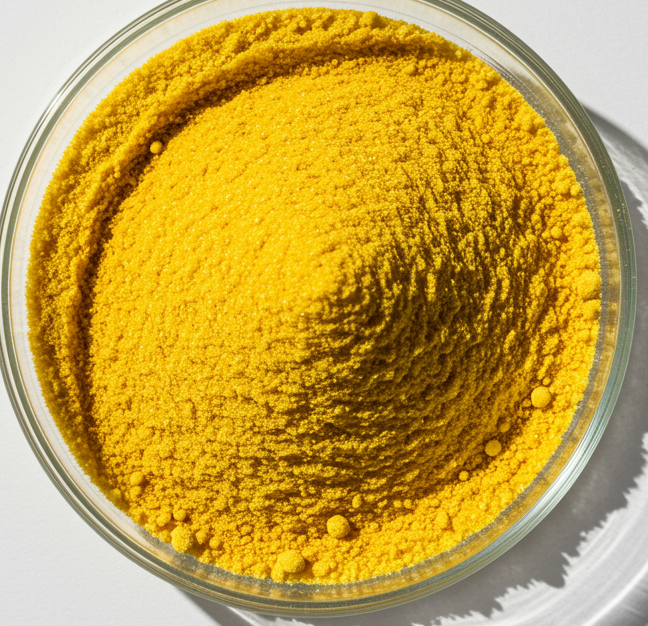
In the health and beauty industry, Pycnogenol®, a French maritime pine bark extract (French Maritime Pine Bark Extract), also known by some as French pine bark vitamin, has gained widespread recognition as a dietary supplement rich in numerous health benefits.
This article will take an in-depth look at the topic to answer key questions such as: What is Pycnogenol? What is pine bark extract? What are its key active compounds and mechanisms of action? And what benefits does Pycnogenol offer?
| Common Name | Pycnogenol |
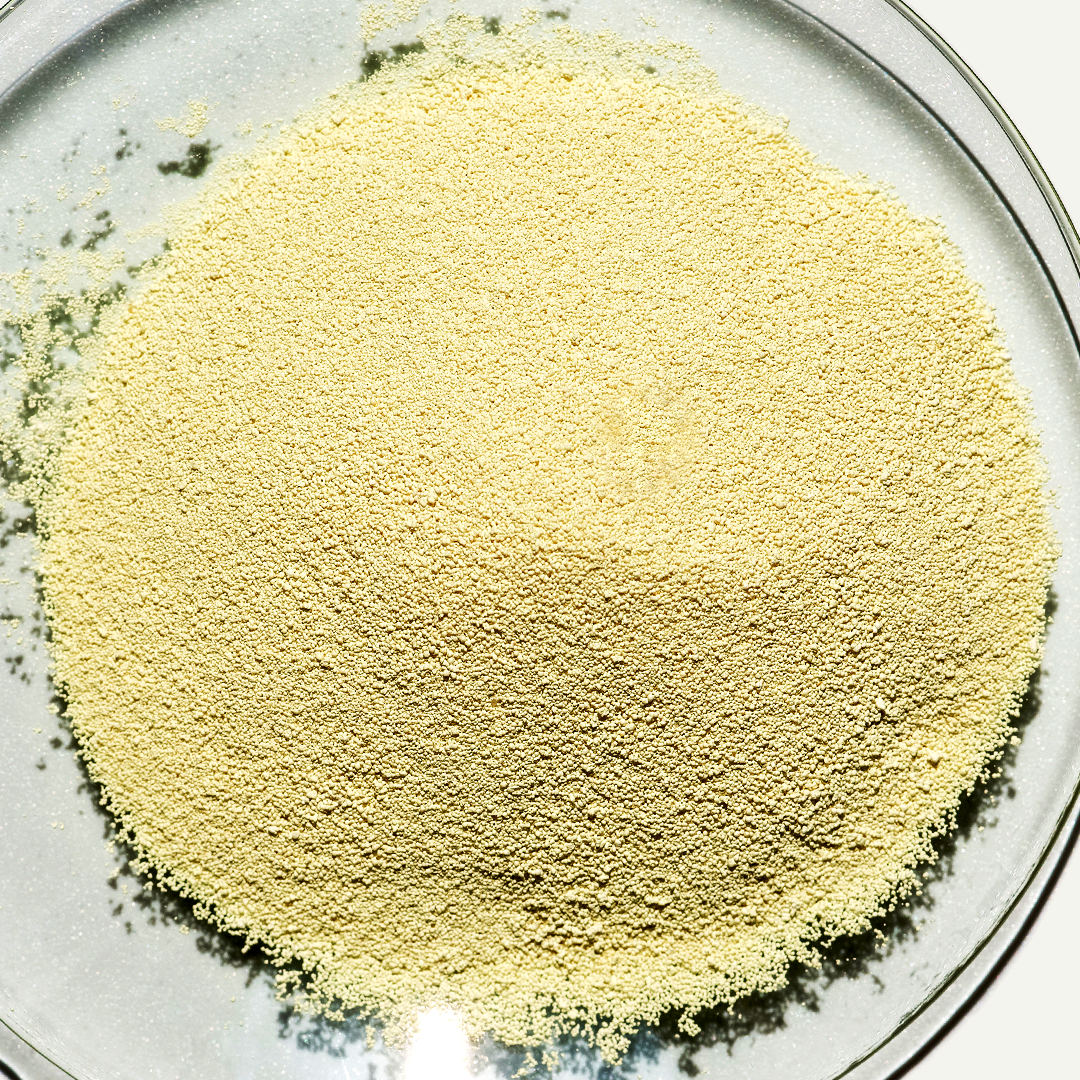
| Appearance | A reddish-brown powder |
| Source | French Maritime Pine Bark |
| Benefits | Provides antioxidant and anti-inflammatory effects, supports blood circulation, helps reduce melanin production, and strengthens the skin’s structural integrity. |
| Recommended Product | Nectapharma Lumiari Astaxanthin |
TLDR
Pycnogenol is a French maritime pine bark extract (French Maritime Pine Bark Extract) and is one of the most extensively researched botanical extracts. It possesses antioxidant and anti-inflammatory properties, supports blood circulation, helps reduce melanin production, and strengthens the skin’s structural integrity.
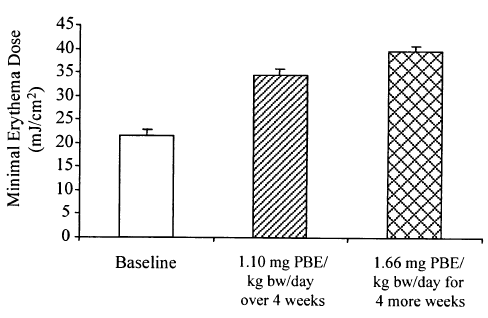
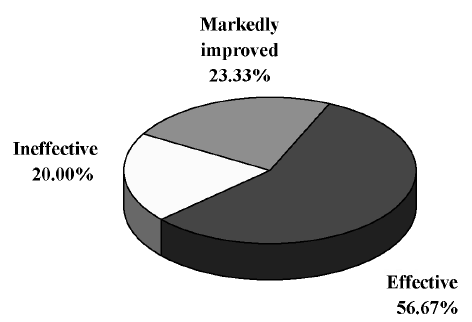
For skin health, it helps inhibit excess melanin formation, improves the skin’s tolerance to UV exposure, reduces the appearance of melasma and hyperpigmentation, and enhances skin hydration and elasticity.
Additional health benefits include supporting cardiovascular health, brain health and cognitive function, reducing joint pain, promoting hair density, supporting eye health, alleviating menopausal symptoms and allergic conditions, and enhancing muscle performance.
What is Pycnogenol and where does it come from?
Pycnogenol® is a French maritime pine bark extract (French Maritime Pine Bark Extract) derived from the pine tree with the scientific name Pinus pinaster. This tree grows along the southwestern coastal region of France. On the market, there are various types of pine bark extracts obtained from different pine species, each with differing health effects and efficacy.
Pycnogenol is the proprietary brand name of a French pine bark extract researched and developed by Horphag Research. It is the most extensively studied pine bark extract, with more than 450 published scientific studies and over 160 human clinical trials involving more than 12,000 volunteers.[1]
What makes Pycnogenol unique is its highly selective and controlled manufacturing process: approximately 1,000 kilograms of French maritime pine bark are required to produce just 1 kilogram of Pycnogenol extract. As a result, it is considered a high-quality, highly concentrated extract, with a premium value that reflects its rigorous production process and strict quality control standards[2]
Key Active Compounds in Pycnogenol® (French Pine Bark Extract)
Pycnogenol®, also known as French pine bark extract or “French pine bark vitamin,” contains a variety of biologically active compounds. The primary active constituents are procyanidins, which belong to the bioflavonoid group and are known for their strong antioxidant properties.
In addition, Pycnogenol contains other polyphenolic compounds such as catechin, epicatechin, taxifolin, and various phenolic acids. Pycnogenol is standardized to contain 70 ± 5% procyanidins, ensuring consistent quality and biological activity.[1]
Mechanisms of Action of Pycnogenol®
-
Antioxidant activity:
It helps reduce cellular damage caused by free radicals and slows down cellular degeneration throughout the body. This broad antioxidant action explains why Pycnogenol offers benefits across multiple health domains.[1] -
Anti-inflammatory effects:
Pycnogenol acts by inhibiting pro-inflammatory mediators and regulating inflammatory processes within the body.[1] -
Improvement of blood circulation:
It helps reduce platelet aggregation, supports healthy endothelial function, and improves microcirculation in capillaries. These mechanisms make pine bark extract a promising supportive agent for vascular-related conditions.[1] -
Strengthening skin structure and reducing melanin production:
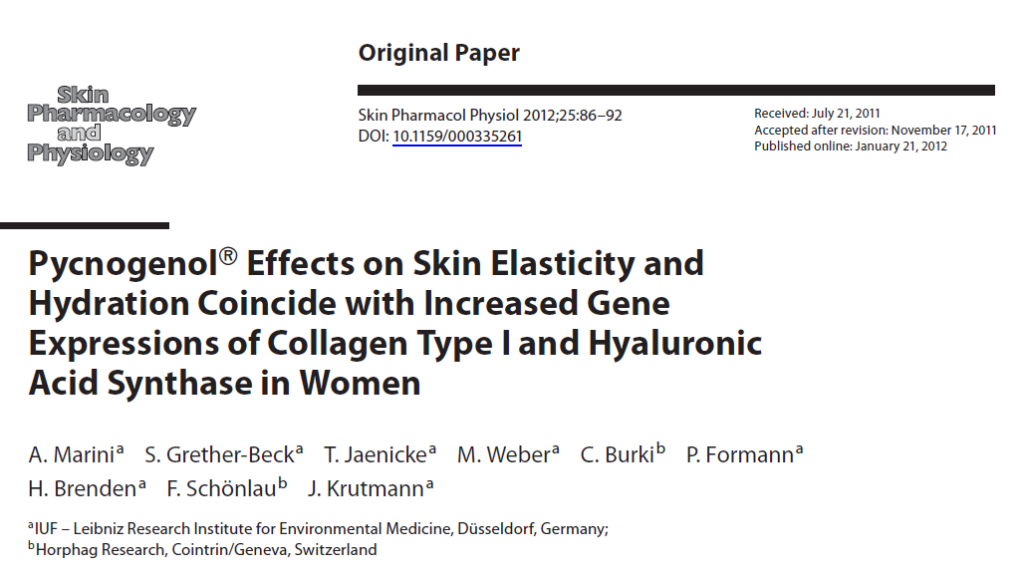
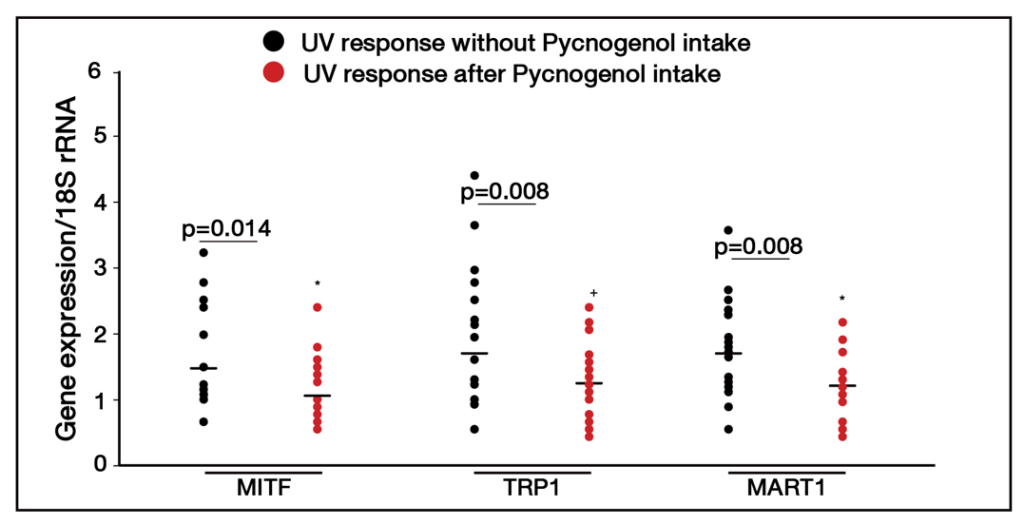
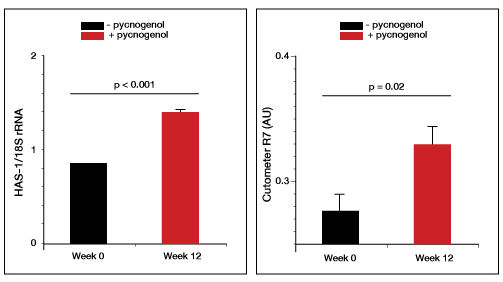
Pycnogenol stimulates the synthesis of hyaluronic acid and collagen, both of which are essential components of healthy skin. In addition, it helps inhibit melanin production, thereby reducing UV-induced skin dullness and helping to diminish the appearance of melasma and hyperpigmentation.[1], [3], [5]
What Does Pycnogenol Do for the Skin? Benefits of Pycnogenol for Skin Health
Pycnogenol is a French maritime pine bark extract (French Maritime Pine Bark) well known for its skin-supporting and anti-aging properties, which have made it highly popular in the dietary supplement industry. So, what does Pycnogenol do for the skin?
Here are four key skin benefits of Pycnogenol, supported by clinical research.