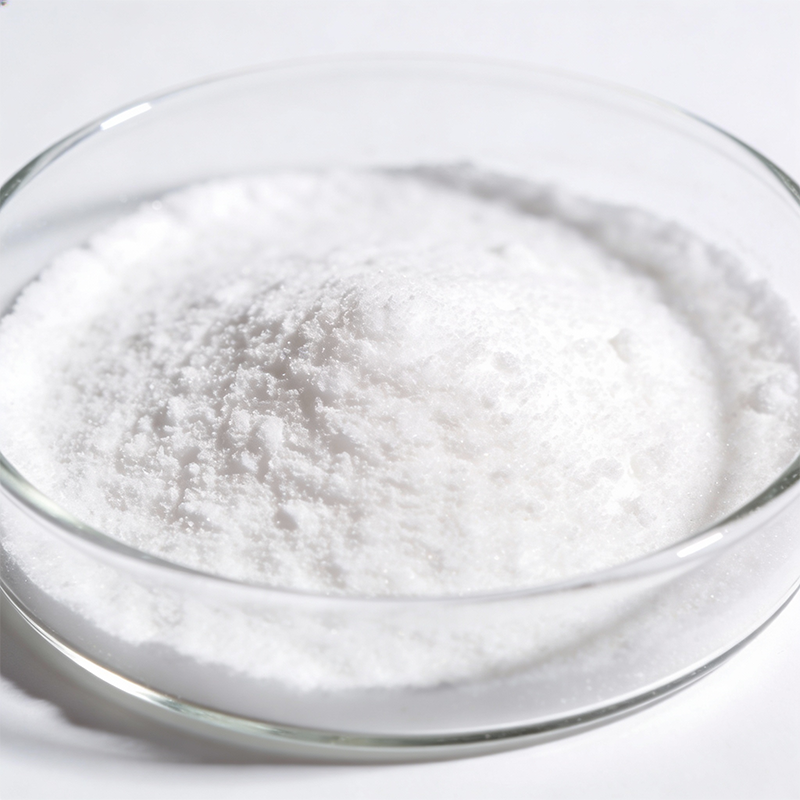
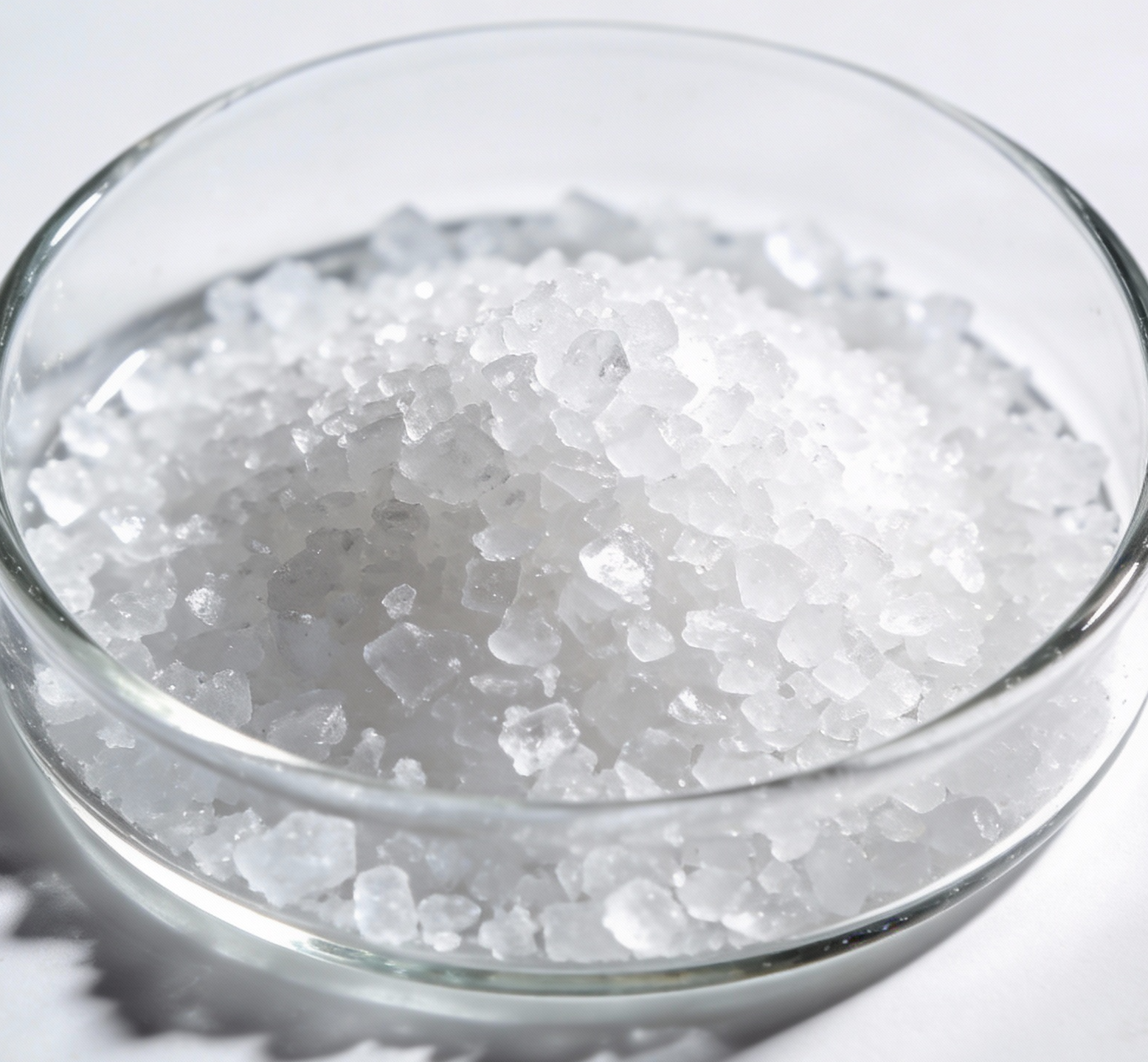
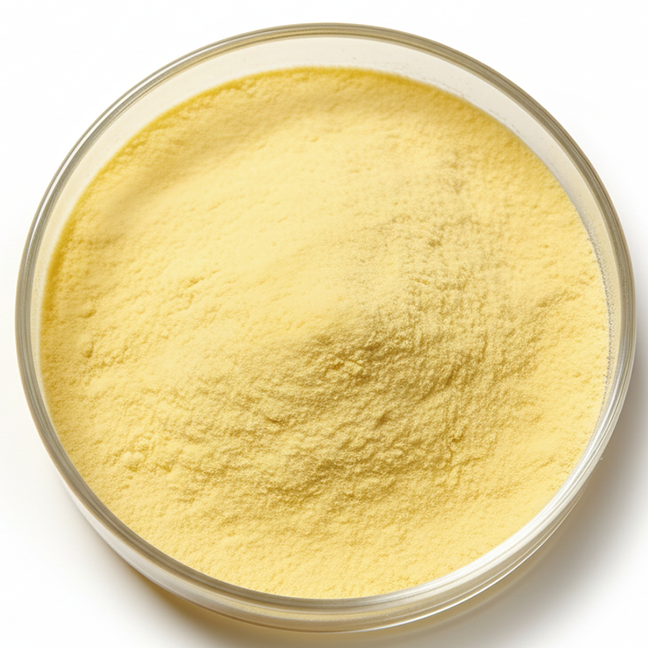
Zinc Amino Acid Chelate is a form of zinc in which the mineral is chemically bound to an amino acid, such as glycine or methionine, through a process known as chelation. This creates a highly stable complex with improved bioavailability. [1]
Because zinc is bound to an amino acid, Zinc Amino Acid Chelate can be absorbed through the body's amino acid and dipeptide transport pathways, rather than relying primarily on stomach acid (HCl) to release free Zn²⁺ ions before absorption. This mechanism helps enhance zinc absorption compared with many conventional zinc salts while also reducing gastrointestinal side effects, such as nausea and stomach discomfort. [2], [3]
| Common Name | Zinc Amino Acid Chelate |
| Appearance | White powder |
| Source | Produced exclusively through a synthetic chelation process |
| Key Benefits | Supports immune function, promotes tissue repair, helps regulate sebum production, reduces inflammation, and supports healthy skin, hair, and nails |
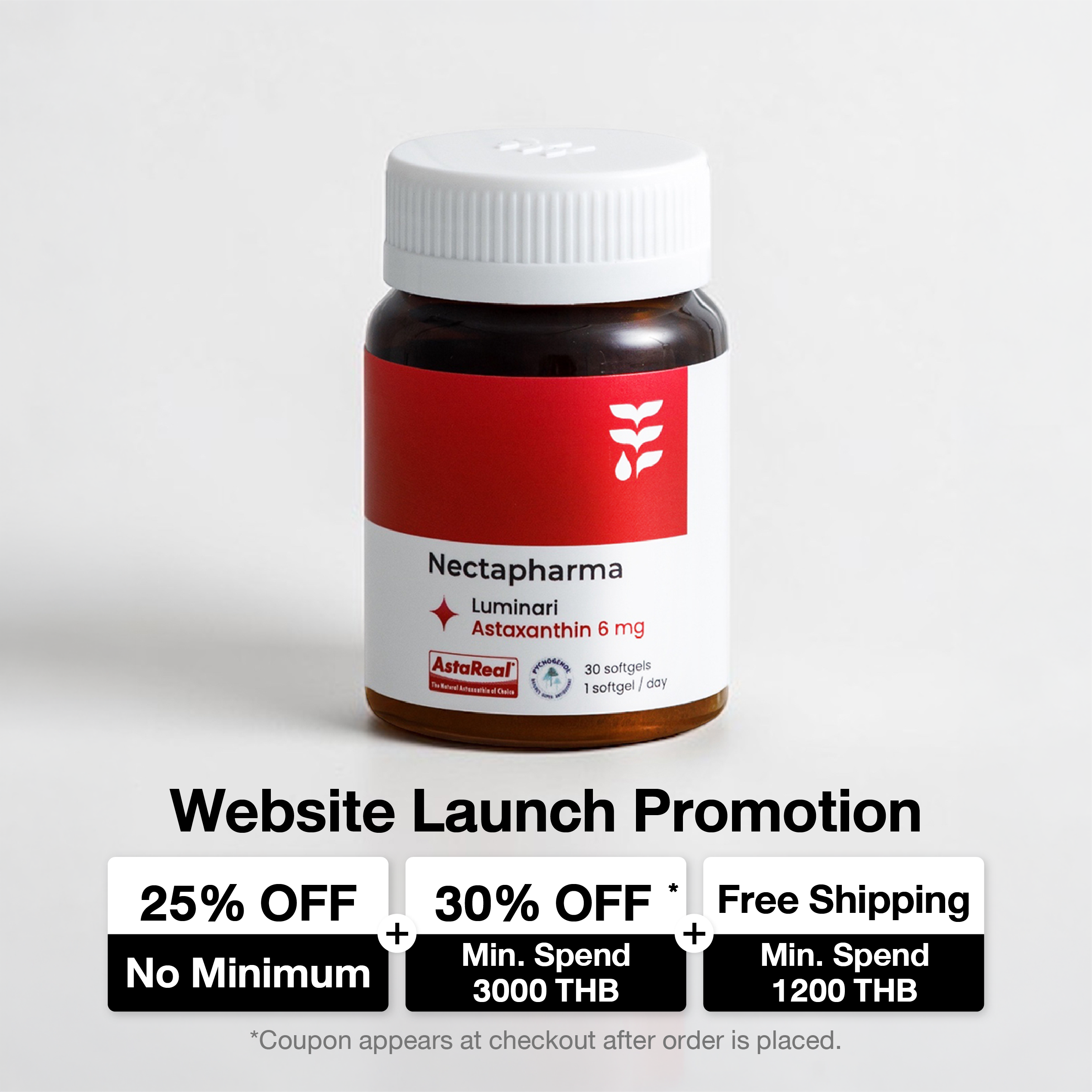
| Recommended Product | Nectapharma Luminari Astaxanthin 6 mg |
TLDR
Zinc Amino Acid Chelate is a form of zinc chemically bound to amino acids.
The chelated structure provides greater stability, enhanced absorption, and fewer gastrointestinal side effects.
The Thai population is considered to be at moderate risk of zinc deficiency.
Zinc supports immune function, skin and hair health, normal growth and development, wound healing, and reproductive health.
Why Take Zinc Amino Acid Chelate?
According to the World Health Organization (WHO) and the International Zinc Nutrition Consultative Group (IZiNCG), approximately 30% of the world's population is at risk of zinc deficiency. Thailand is classified as having a moderate risk of zinc deficiency, particularly among children, adolescents, and pregnant women, as zinc is an essential mineral required for numerous physiological functions. [4]
Because zinc deficiency can negatively affect many aspects of health, supplementing with Zinc Amino Acid Chelate may help reduce the risk of deficiency and support normal physiological function.
What Are the Benefits of Zinc Amino Acid Chelate?
Supports Immune Function
Zinc Amino Acid Chelate promotes the development and activity of immune cells involved in defending the body against pathogens. It also helps regulate inflammatory responses and supports the activity of numerous enzymes involved in immune function.
Studies have shown that zinc deficiency impairs immune cell function and increases susceptibility to infections. [5] Clinical research also demonstrates that Zinc Amino Acid Chelate may reduce the incidence of respiratory infections and shorten the duration of the common cold. [6]
Supports Tissue Repair and Wound Healing
Another important benefit of Zinc Amino Acid Chelate is its role in wound healing. Zinc supports platelet function, helps regulate inflammation, reduces the risk of infection, and stimulates the proliferation of skin cells. It also promotes angiogenesis (new blood vessel formation), allowing wounds to heal more efficiently.
Adequate zinc intake may therefore accelerate wound healing, improve skin repair, and reduce the risk of chronic wounds. [7]
Supports Skin Health and Acne Management
Zinc Amino Acid Chelate helps regulate the activity of the sebaceous glands and the proliferation of keratinocytes, reducing pore blockage, controlling excess oil production, and suppressing inflammation. These effects contribute to healthier skin and may help improve acne. [8]
Supports Healthy Hair and Nails
Zinc plays an essential role in keratin synthesis, hair follicle cell division, and the repair of structural proteins in nails. Adequate zinc intake helps maintain stronger hair and healthier nails. [9]
Supports Reproductive Health
In men, Zinc Amino Acid Chelate contributes to the production and regulation of testosterone and supports healthy sperm development. Studies have shown that zinc deficiency is associated with low testosterone levels and male infertility.
In women, zinc supports oocyte development, ovulation, and embryo implantation, making it an important mineral for overall reproductive health and fertility. [10]
Safety and Side Effects of Zinc Amino Acid Chelate
Zinc Amino Acid Chelate is generally regarded as one of the safest and most gastrointestinal-friendly forms of zinc.
However, excessive zinc intake (more than 40 mg of elemental zinc per day) may cause side effects such as nausea, stomach pain, and headache. Long-term excessive intake may also lead to copper deficiency, anemia, low white blood cell counts, neurological disorders, and abnormal blood lipid levels. [11]