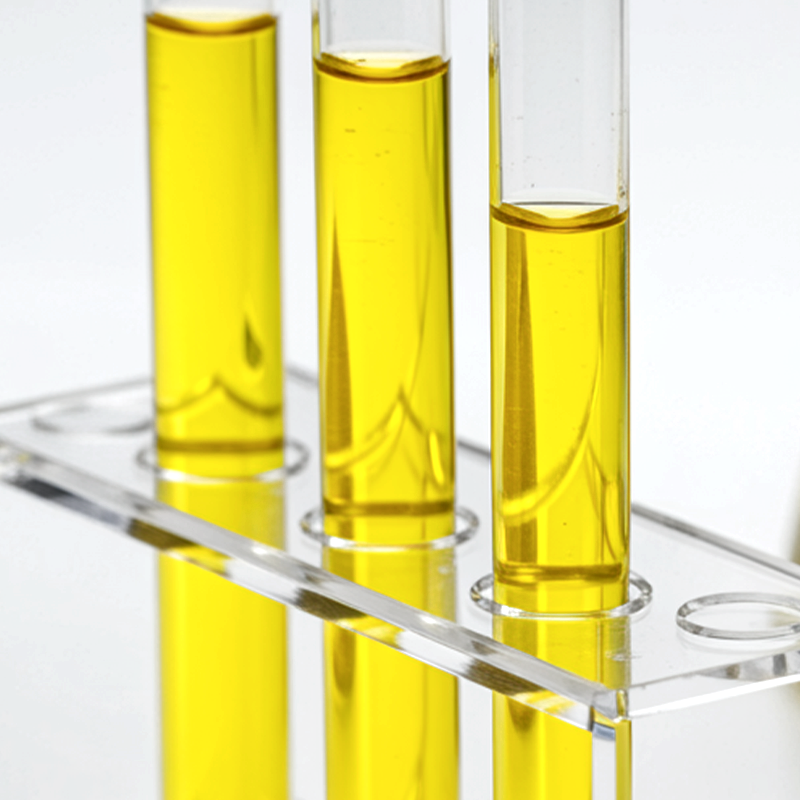
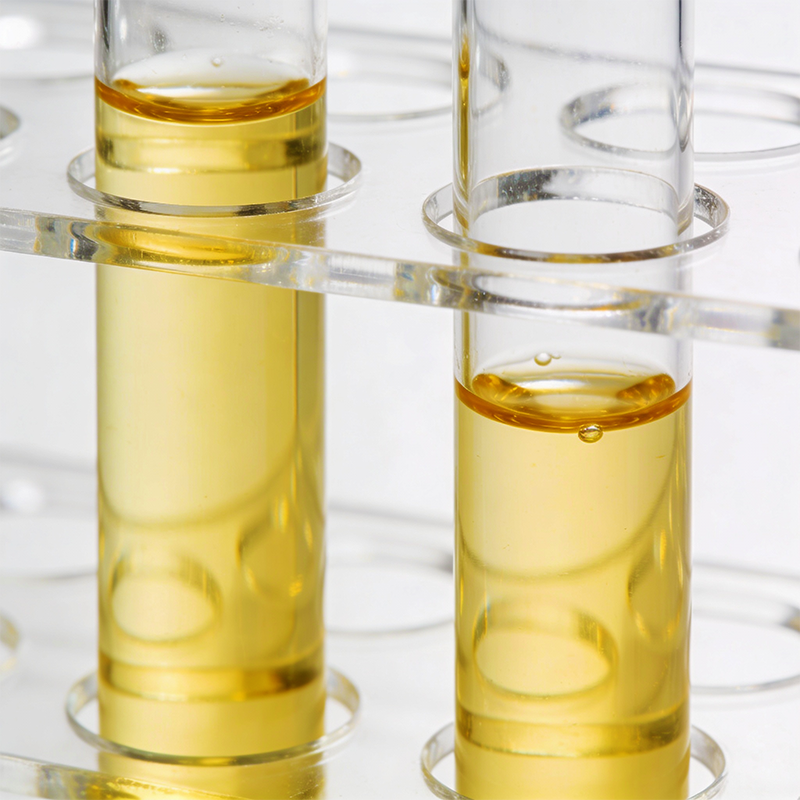
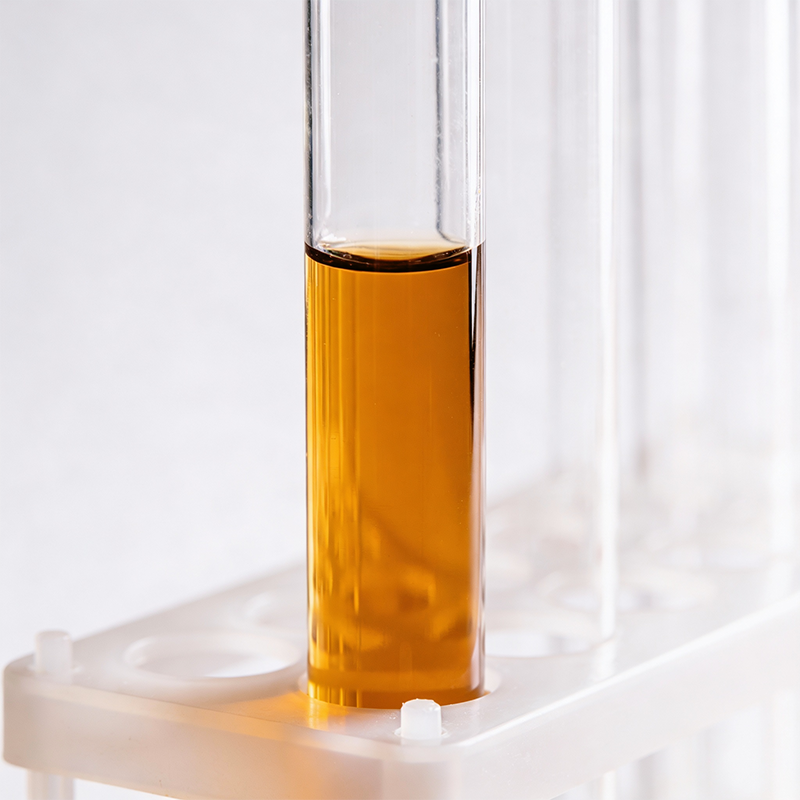
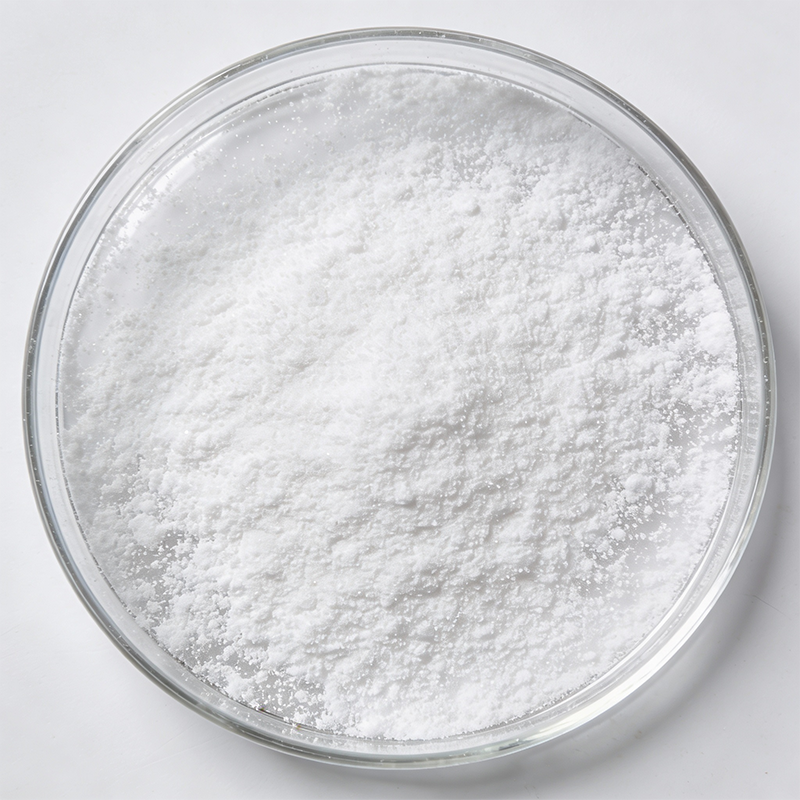
Green Tea Extract is derived from the leaves of the tea plant (Camellia sinensis). Unlike black tea, green tea leaves undergo a heat-treatment process immediately after harvesting to inactivate the plant's natural enzymes. This prevents the degradation of polyphenols, the key bioactive compounds in green tea, allowing them to retain their potent antioxidant activity.
The leaves are then further processed to produce a concentrated green tea extract with a higher content of these beneficial compounds. Thanks to its rich polyphenol profile and wide range of biological activities, green tea extract has become a popular ingredient in dietary supplements, skincare products, and other health-related applications. [1]
| Common Name | Green Tea Extract |
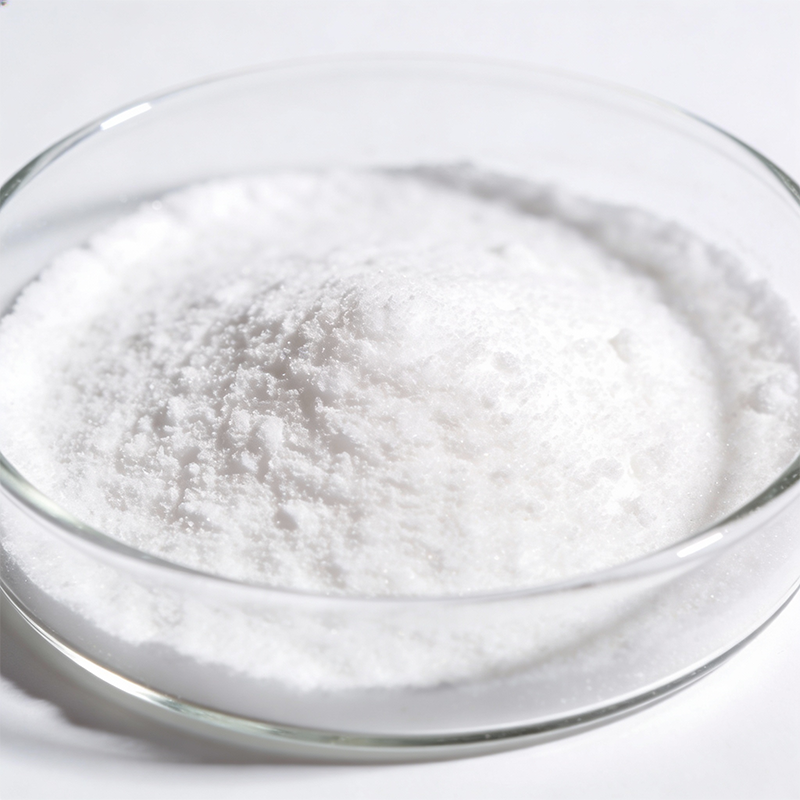
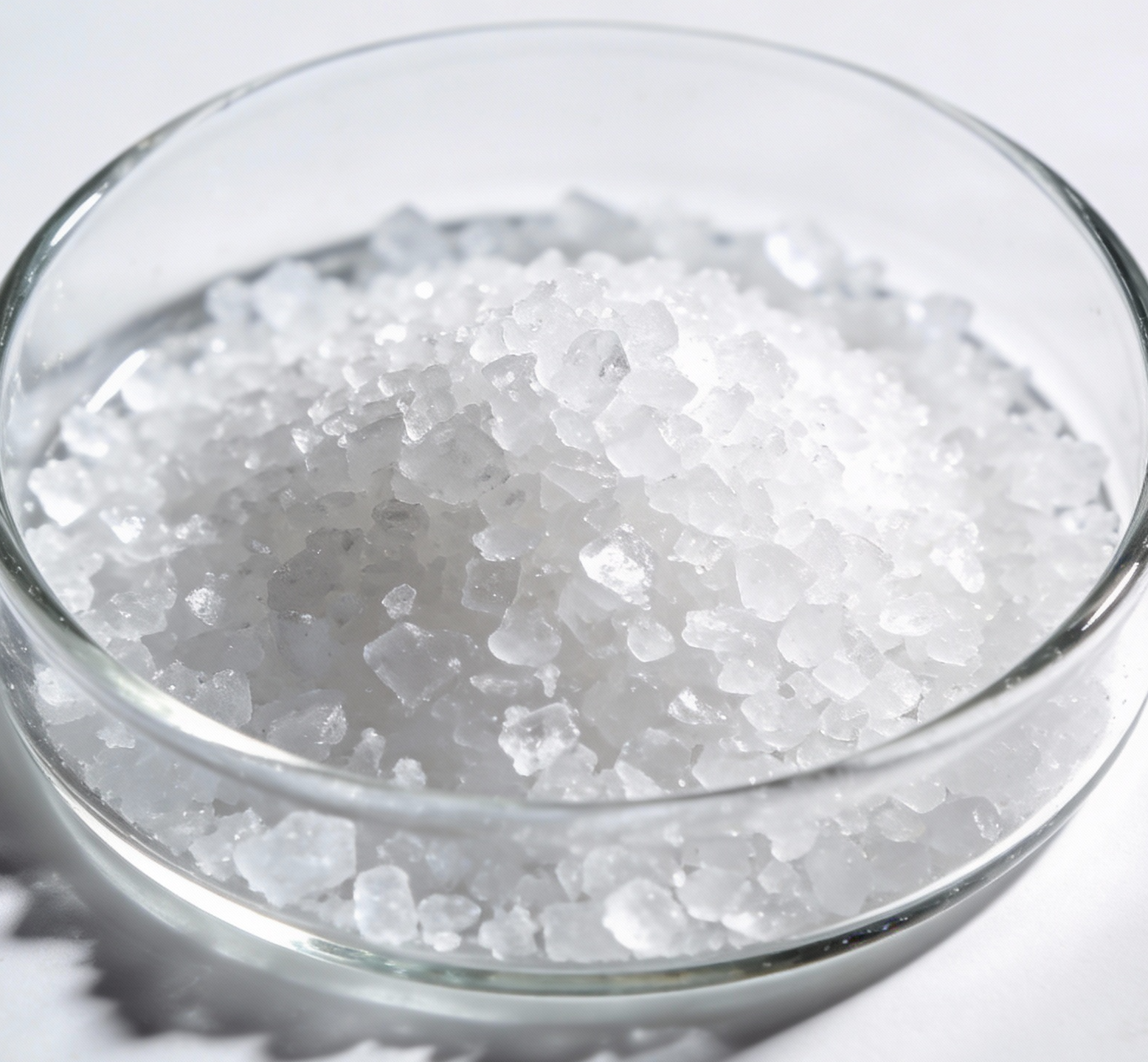
| Appearance | Greenish-brown powder |
| Source | Tea plant (Camellia sinensis) |
| Key Benefits | Antioxidant, anti-inflammatory, antibacterial, antiviral, and neuroprotective properties |
| Recommended Product | Nectapharma Pearletane |
TLDR
Green Tea Extract is a concentrated extract derived from the leaves of the tea plant, with polyphenols serving as its primary bioactive compounds.
When taken orally, Green Tea Extract exhibits a wide range of biological activities and has been studied for various health applications, including acne management, weight management, diabetes, and cardiovascular health.
Green Tea Extract is also widely used in skincare products, particularly for its ability to help manage acne, improve skin hydration, and reduce the appearance of wrinkles.
Green Tea Extract should be used with caution by individuals with underlying medical conditions or those taking medications, as it may interact with certain drugs or affect existing health conditions.
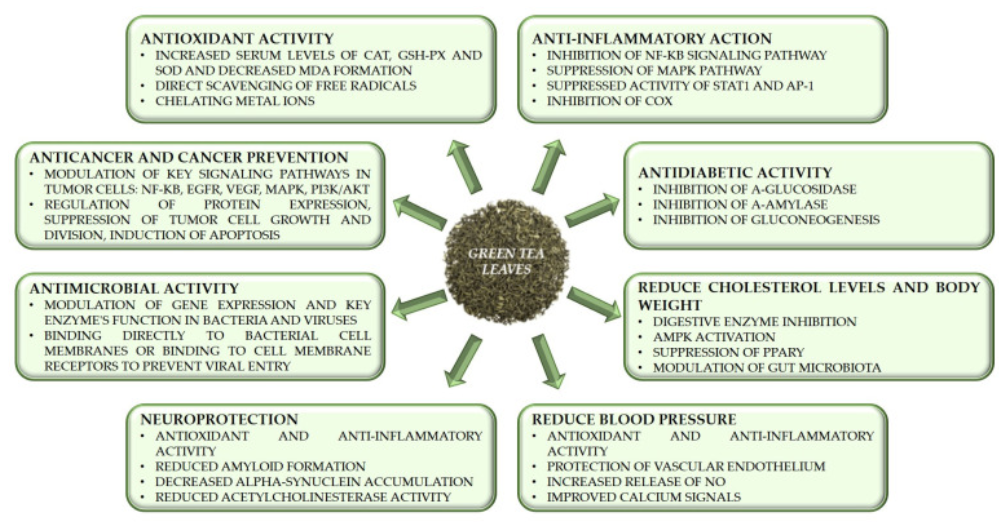
Green Tea Extract offers far more than antioxidant activity. It also possesses anti-inflammatory, antibacterial, antiviral, and neuroprotective properties, making it one of the most extensively researched botanical extracts for health applications. As a result, Green Tea Extract has been widely studied for its potential role in supporting acne management, obesity, diabetes, cardiovascular health, and even cancer prevention and treatment. [2], [3]
Green Tea Extract for Acne
Following the well-documented benefits of topical Green Tea Extract for acne, researchers have increasingly investigated its effects when taken orally. In one clinical study, participants with mild to moderate acne consumed 500 mg of liquid Green Tea Extract three times daily for 30 days. Compared with the control group, those who received the extract experienced a significant reduction in both inflammatory acne lesions and total acne count. [4]
Green Tea Extract for Weight Management
Green Tea Extract has become an increasingly popular subject of obesity research as excess body weight continues to be a major global health concern. A meta-analysis of 59 clinical studies found that Green Tea Extract supplementation in individuals who were overweight significantly reduced body weight, body mass index (BMI), and body fat percentage, supporting its potential role in weight management. [5]
Green Tea Extract for High Blood Pressure
Because of its potent antioxidant and anti-inflammatory properties, Green Tea Extract has also been studied for cardiovascular health. A meta-analysis of 36 clinical studies reported that supplementation with Green Tea Extract significantly reduced both systolic (upper) and diastolic (lower) blood pressure in individuals with hypertension. [6]
Green Tea Extract for Blood Sugar Control
Another well-studied benefit of Green Tea Extract is its role in glucose metabolism. Research suggests that Green Tea Extract may help lower blood glucose levels, improve insulin sensitivity, and reduce intestinal glucose absorption.
A meta-analysis of 17 clinical studies involving people with diabetes found that Green Tea Extract significantly reduced fasting blood glucose and fasting insulin levels, highlighting its potential to support healthy blood sugar control. [2], [7]
Green Tea Extract in Skincare
Beyond its oral health benefits, Green Tea Extract has become a widely used ingredient in skincare products due to its diverse biological activities. Its antioxidant, anti-inflammatory, photoprotective, and sebum-regulating properties, together with its naturally mild fragrance, make it suitable for a variety of skincare applications, including acne care, skin hydration, skin soothing, and anti-aging formulations. [8]
Green Tea Extract for Acne-Prone Skin
Polyphenols are the primary bioactive compounds in Green Tea Extract. Their antioxidant, anti-inflammatory, antibacterial, and oil-controlling effects have made Green Tea Extract a popular ingredient in acne skincare products.
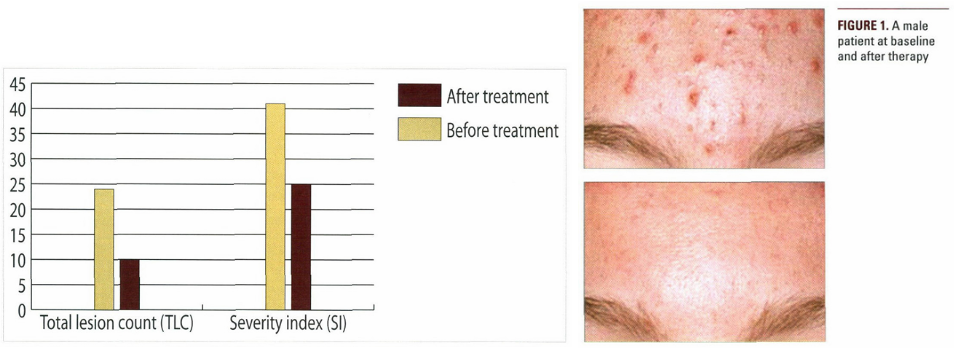
In one clinical study, participants who applied a 2% Green Tea Extract lotion to acne-affected skin for 6 weeks experienced a 39.02% reduction in acne severity and a 58.33% reduction in acne lesions compared with baseline. [9]
Green Tea Extract for Skin Hydration
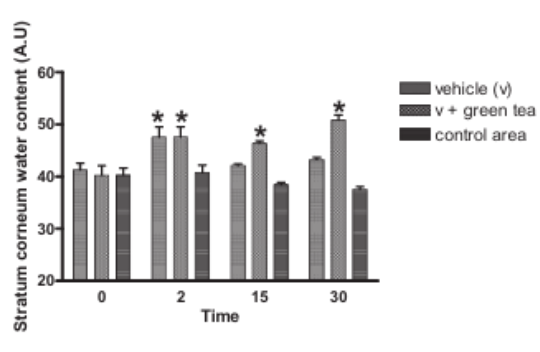
Another notable skincare benefit of Green Tea Extract is its ability to improve and maintain skin hydration. One proposed mechanism is its ability to inhibit hyaluronidase, the enzyme responsible for breaking down hyaluronic acid in the skin. By helping preserve hyaluronic acid levels, Green Tea Extract supports skin moisture, leaving the skin healthier and better hydrated.
In one clinical study, participants applied a 6% Green Tea Extract formulation to the forearm for 30 days. The treatment resulted in a significant improvement in skin hydration, along with measurable improvements in overall skin texture. [10]
Green Tea Extract for Wrinkle Reduction
The potent antioxidant activity of the polyphenols found in Green Tea Extract is one of its most valuable skincare benefits. Oxidative stress caused by free radicals is a major contributor to the breakdown of collagen and elastin, accelerating the formation of wrinkles. Because of this, Green Tea Extract has been extensively studied for its anti-aging potential.
In one clinical study, participants who applied a Green Tea Extract cream around the eye area experienced a 36.3% improvement in the appearance of wrinkles following continuous use. [11]
Safety Considerations for Green Tea Extract
Although Green Tea Extract offers numerous health benefits, excessive intake may increase the risk of adverse effects.
Individuals with diabetes or high blood pressure should exercise caution, as Green Tea Extract may enhance the effects of medications used to treat these conditions. This may result in excessively low blood glucose or blood pressure, potentially causing dizziness, lightheadedness, or fatigue.
Green Tea Extract should also be used cautiously in individuals with liver disease or impaired liver function, as high-dose green tea extracts have been associated with an increased risk of liver toxicity. [12], [13]
In addition, people who regularly consume coffee or other caffeinated beverages should be mindful of their total caffeine intake, as combining these with Green Tea Extract may increase the risk of caffeine-related side effects such as palpitations, nausea, and diarrhea. Green Tea Extract may also reduce iron absorption from food, so individuals at risk of iron deficiency should take appropriate precautions. [3]
Overall, Green Tea Extract is generally considered safe when consumed at appropriate doses. However, individuals with underlying medical conditions, those taking prescription medications, pregnant or breastfeeding women should consult a physician or pharmacist before using Green Tea Extract supplements to ensure safe and appropriate use. [12]