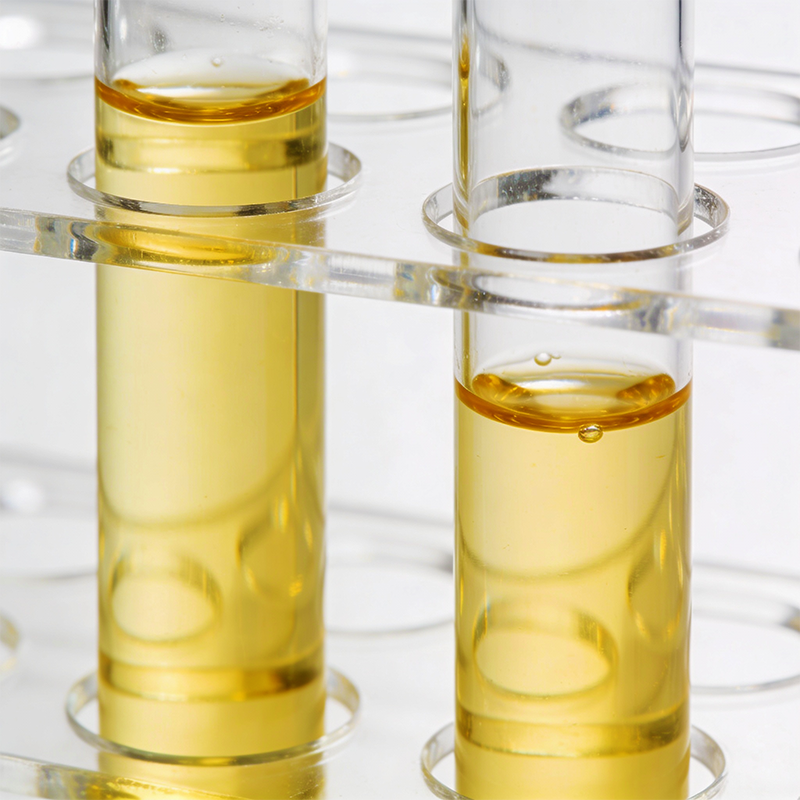
Piperine is a compound derived from black pepper extract, also known as piperine. It belongs to the alkaloid group and has a yellow color with a distinctive pungent taste. Piperine from black pepper extract is therefore widely used in culinary applications.
Beyond its culinary use, Piperine has also been studied for therapeutic applications due to its wide range of biological activities, including anti-inflammatory, antioxidant, and immunomodulatory effects. In addition, Piperine has pharmaceutical benefits in helping enhance the absorption of certain nutrients and medications. [1], [2]
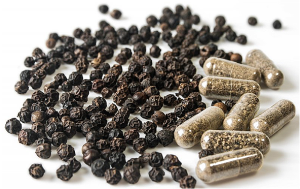
Piperine is a black pepper extract. [3]
| Common Name | Piperine |
| Appearance | Yellow powder |
| Source | Black pepper and long pepper |
| Benefits | Enhances the absorption of nutrients and medications, anti-inflammatory, antifungal, antibacterial, and insecticidal properties |
| Recommended Product | Nectapharma Luminari Astaxanthin |
TLDR
Piperine is a black pepper extract with a wide range of biological activities. It has been widely used both as an agricultural insecticide and for medicinal purposes.
Piperine may help enhance the absorption of certain nutrients and active ingredients, such as vitamin E, vitamin C, zinc, Pycnogenol®, and CoQ10.
Caution should be taken when using piperine together with certain medications, as it may affect drug levels in the body.
Where Does Piperine Come From?
Piperine is a key bioactive compound found in plants of the Piperaceae family. The amount of piperine varies depending on the plant species. Studies have shown that black pepper contains one of the highest concentrations of piperine, at up to 9%, while long pepper contains approximately 4–5%.
As a result, piperine extracted from black pepper is widely used in the industry and is commonly known as black pepper extract. However, the amount of piperine found in black pepper may also vary depending on the cultivation area, climate, and drying method. [4], [5]
Piperine Benefits You Should Know
Piperine, a bioactive compound derived from black pepper extract, is commonly known for its antifungal, antibacterial, and insecticidal properties, particularly in agricultural applications. However, black pepper extract has also been used for medicinal purposes for a long time in both traditional and modern medicine.
Piperine has been studied for a range of biological activities, including anti-inflammatory, anticancer, and antiviral effects. More recently, research has also focused on its potential role in more specific health conditions and therapeutic applications. [6], [7]
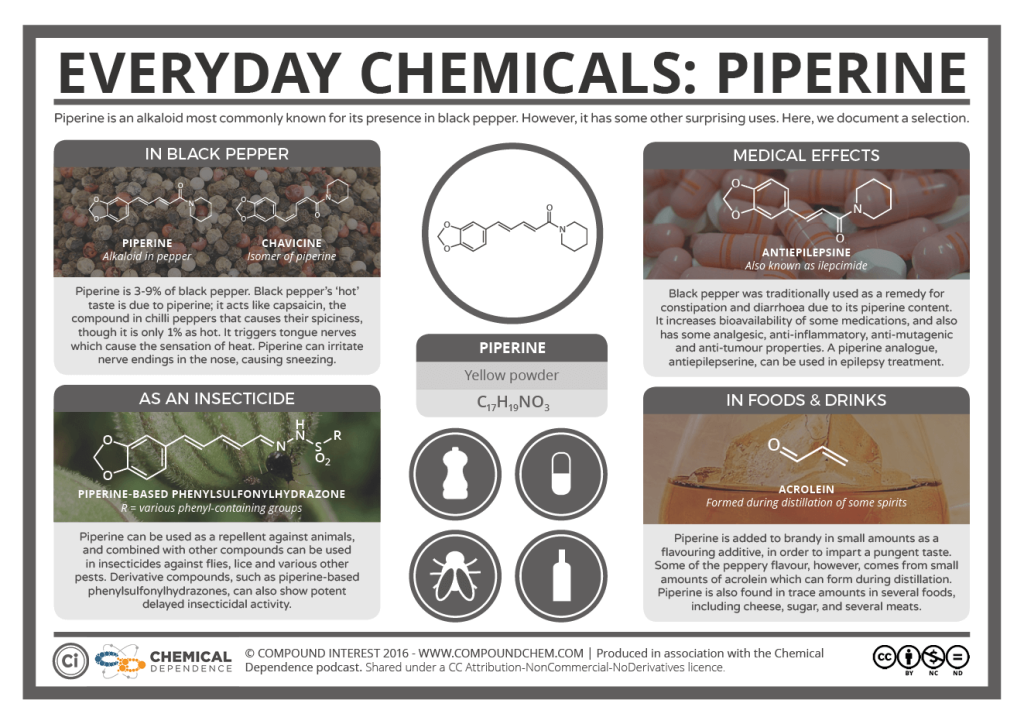
Piperine: A Wide Range of Benefits [8]
One lesser-known but highly valuable pharmaceutical benefit of Piperine is its ability to enhance the absorption of certain nutrients and medications.[1] Research has shown that taking Piperine together with certain vitamins and minerals may improve their absorption, including B vitamins, vitamin C, vitamin E, zinc, and calcium.
Piperine may also enhance the absorption of active ingredients commonly used in dietary supplements, such as Pycnogenol® and CoQ10. Studies have found that taking Piperine together with CoQ10 may increase CoQ10 absorption by up to 30%. [9], [10]
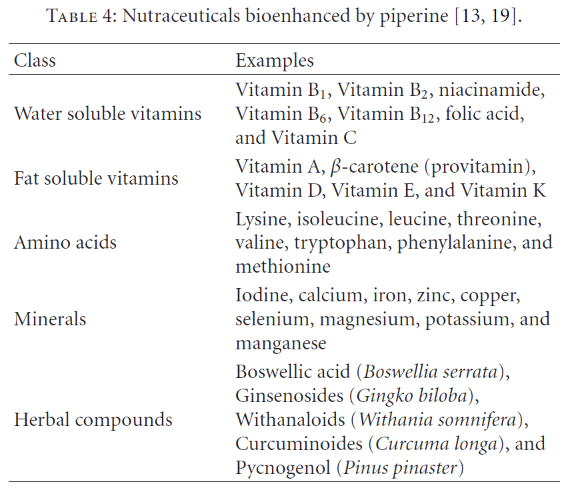
Piperine: Black Pepper Extract That Helps Enhance Absorption [10]
Does Piperine Have Any Side Effects?
Although Piperine is naturally found in black pepper and is regularly consumed as part of the diet, the amount obtained from food is relatively small compared with the concentrated amount found in black pepper extract supplements.
Therefore, greater caution is needed when taking supplements containing Piperine. Because Piperine can enhance absorption, it may affect the blood levels of certain medications.
Before taking supplements containing Piperine, it is recommended to consult a pharmacist or healthcare professional, especially for people with underlying medical conditions, those who take medications regularly, pregnant women, and breastfeeding mothers, to ensure safe use. [11]