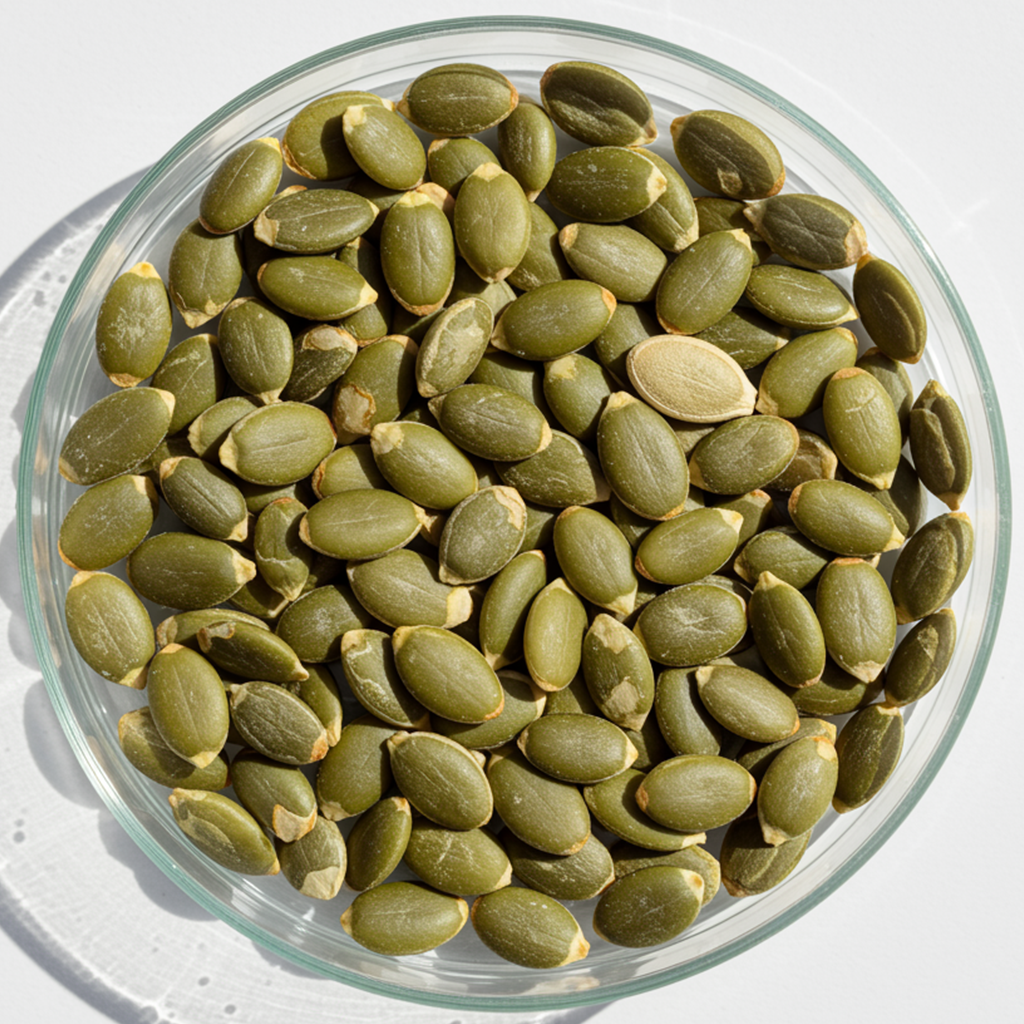
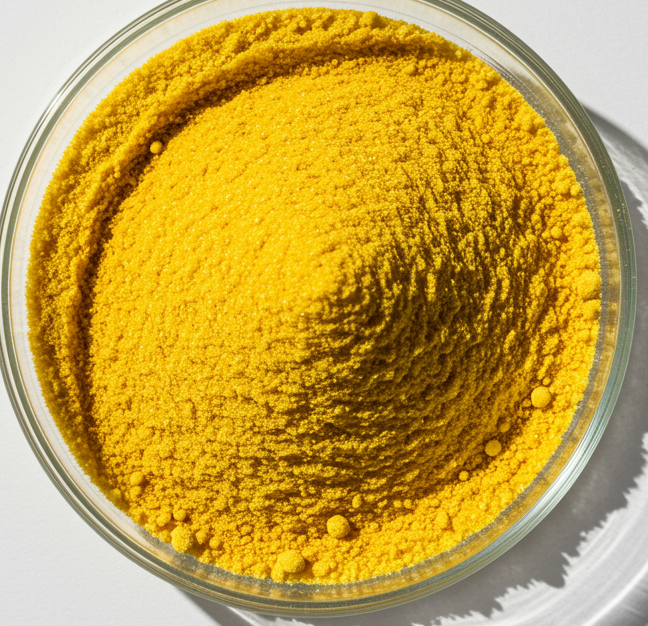
AHA, or Alpha Hydroxy Acids, are a group of naturally occurring acids found in fruits, fermented dairy products, and certain plants. Because of their natural origin, AHAs are often referred to as fruit acids.
Some of the most commonly used AHAs include:
- Glycolic Acid – Derived from sugarcane. It has the smallest molecular size among AHAs, allowing it to penetrate the skin more effectively.
- Lactic Acid – Naturally produced during the fermentation of milk.
- Citric Acid – Found naturally in citrus fruits. [1]
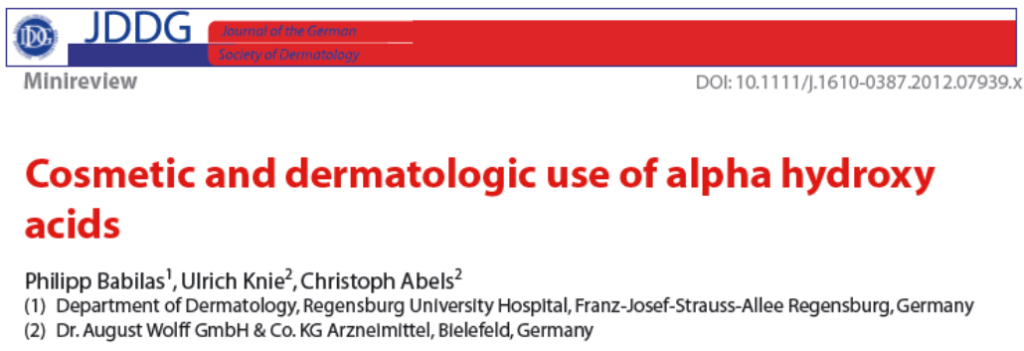
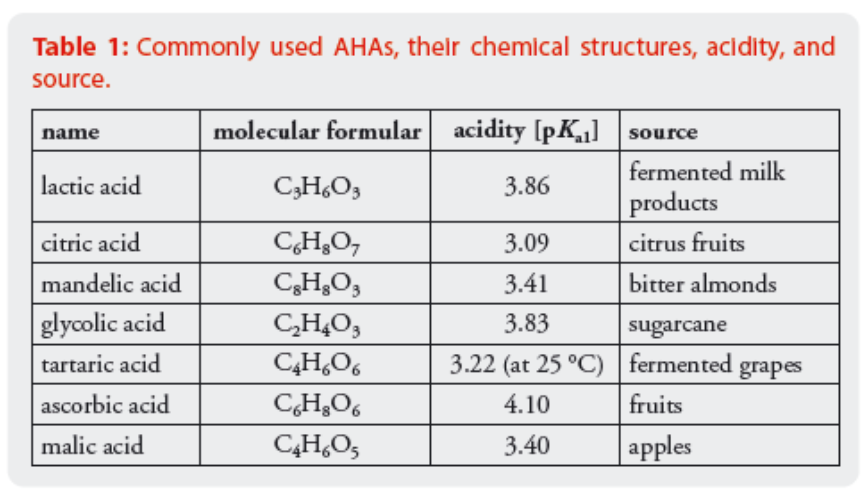 One of the key benefits of Alpha Hydroxy Acids (AHAs) is their ability to gently exfoliate the outermost layer of dead skin cells, revealing smoother, brighter, and more radiant-looking skin. AHAs also help improve the appearance of post-acne marks, dark spots, and dull skin. [2]
| Common Name | Alpha Hydroxy Acids (AHAs). Each AHA has its own INCI name, including Glycolic Acid, Lactic Acid, Citric Acid, Mandelic Acid, Malic Acid, and Tartaric Acid. |
| Appearance | Typically a white crystalline powder or a water-soluble liquid |
| Source | Naturally found in fruits, fermented dairy products, and certain plants |
| Benefits | Gently exfoliates the skin, reduces dullness and post-acne hyperpigmentation, and helps improve skin hydration |
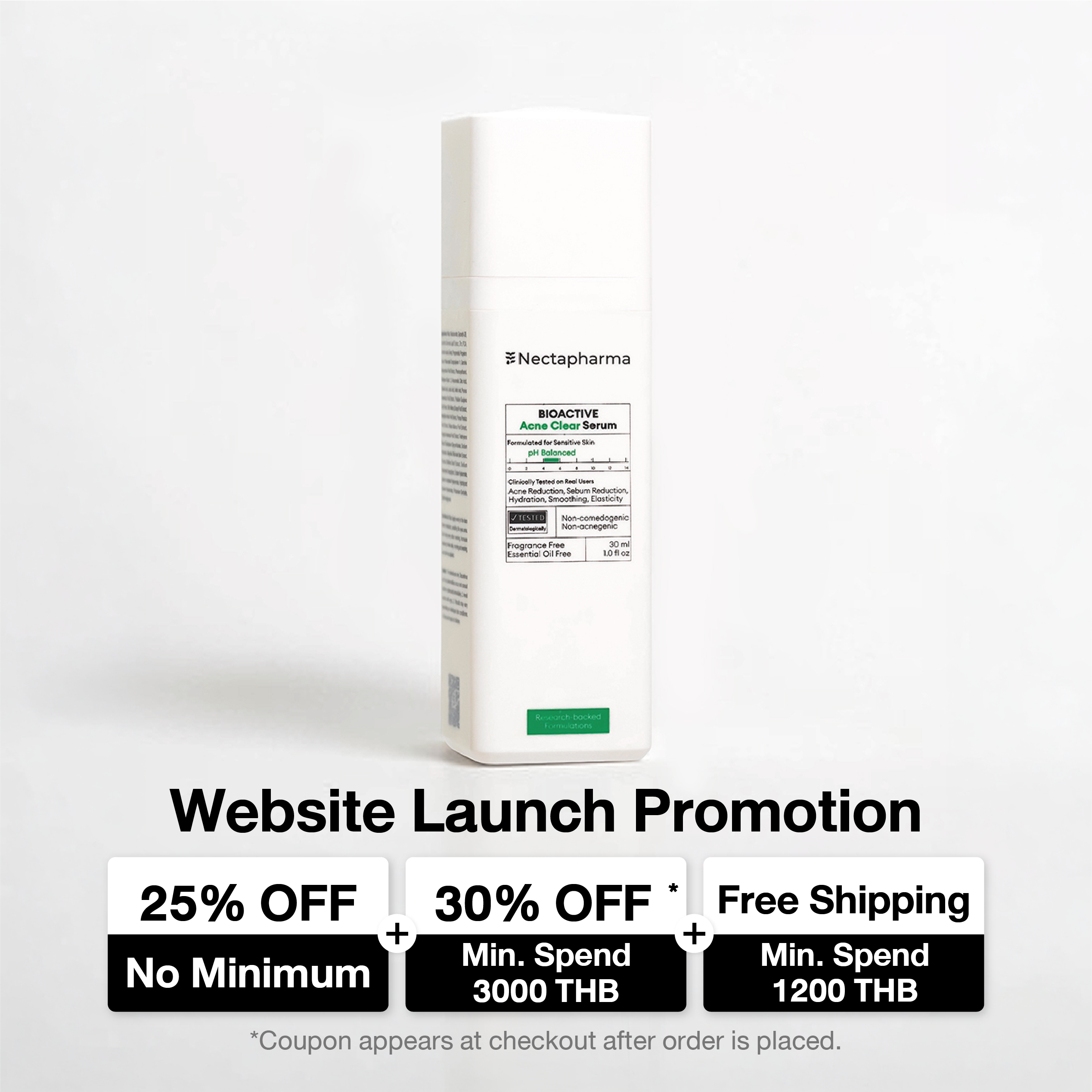
| Recommended Product | Nectapharma Bioactive Acne Clear Serum |
TLDR
AHAs (Alpha Hydroxy Acids) are naturally derived fruit acids found in sugarcane, fermented milk, citrus fruits, and other plants. They are among the most widely used exfoliating ingredients in skincare.
AHAs gently exfoliate dead skin cells while helping maintain skin hydration through their role as Natural Moisturizing Factors (NMFs). They help improve skin texture, brighten the complexion, fade acne marks and dark spots, and support collagen production.
AHAs are suitable for acne-prone, dull, dry, or aging skin. Beginners should start with a low concentration and wear sunscreen daily during use.
What Are the Benefits of AHAs?
AHAs have been extensively studied and are recognized for their multiple skin benefits. Their effectiveness has made them one of the most commonly recommended ingredients by dermatologists and leading skincare brands.
-
Gentle Skin Exfoliation
AHAs weaken the bonds between dead skin cells in the stratum corneum, allowing them to shed naturally. This reveals smoother, brighter skin without the mechanical irritation associated with harsh physical scrubs. [3]
-
Helps Prevent Clogged Pores
By promoting regular exfoliation, AHAs help reduce the accumulation of dead skin cells, excess sebum, and debris inside pores—one of the major contributors to comedones and acne breakouts. [3]
-
Improves Dullness and Rough Skin
AHAs help reveal fresher skin beneath the surface, improving dullness and rough texture caused by sun exposure, pollution, and everyday environmental stressors. [2], [3]
-
Stimulates Collagen Production (Collagen Boosting)
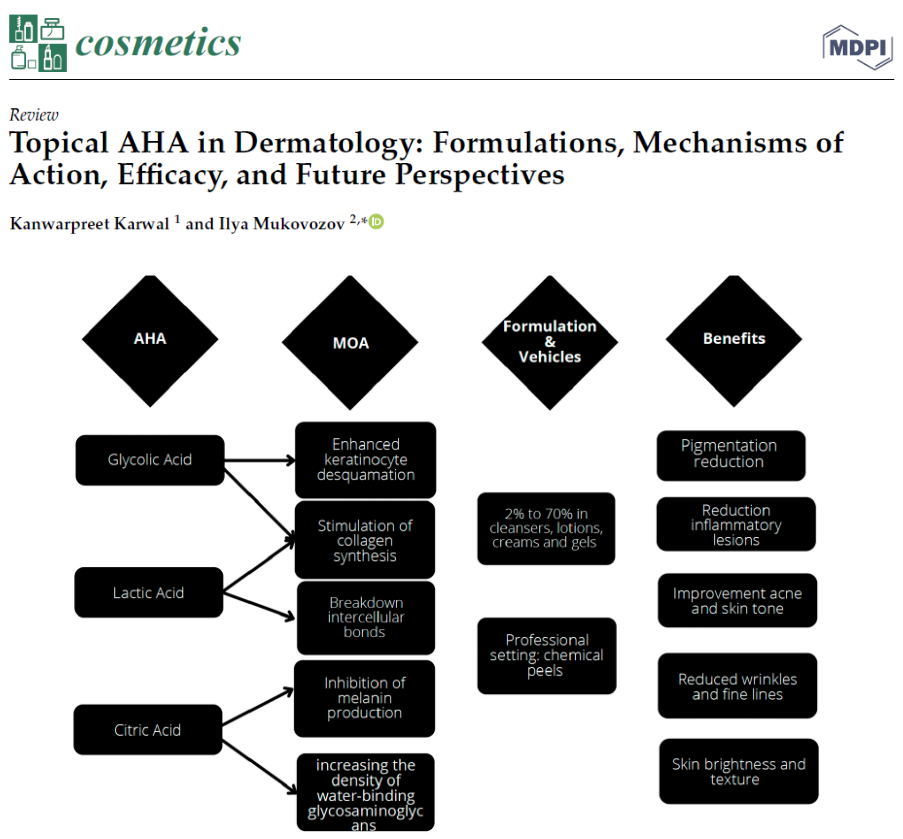
Research has shown that Glycolic Acid and Lactic Acid, in particular, stimulate fibroblast activity and the expression of collagen-related genes. Over time, this helps improve skin firmness, elasticity, and the appearance of fine lines and wrinkles. [3], [4]
-
Improves Skin Hydration Through Natural Moisturizing Factors (NMFs)
Some AHAs, particularly Lactic Acid, function as both an exfoliant and a humectant. As a natural component of the skin's Natural Moisturizing Factors (NMFs), Lactic Acid attracts and retains moisture, helping keep the skin soft and hydrated without the excessive dryness sometimes associated with BHA exfoliants. [4]
How to Use AHAs Correctly and Who Should Use Them?
AHAs are fruit-derived acids that gently exfoliate the skin while supporting collagen production, resulting in smoother, brighter, and healthier-looking skin. However, because AHAs are mildly acidic, higher concentrations may not be suitable for every skin type.
Individuals who have recently undergone cosmetic procedures (such as laser treatments) should consult a healthcare professional before using AHAs. Those with sensitive skin should begin with low concentrations and less frequent application, gradually increasing usage as tolerated. Daily sunscreen is strongly recommended while using AHAs.
AHAs are particularly suitable for people with:
- Acne-prone or oily skin – Helps remove dead skin cells, reduce pore blockage, and minimize excess oil buildup.
- Uneven skin tone, post-acne marks, dark spots, or dull skin – Promotes skin renewal for a brighter, more even complexion.
- Early signs of aging – Helps stimulate collagen production and improve skin firmness.
- Dry or dehydrated skin – Certain AHAs, particularly Citric Acid, also help improve skin hydration.