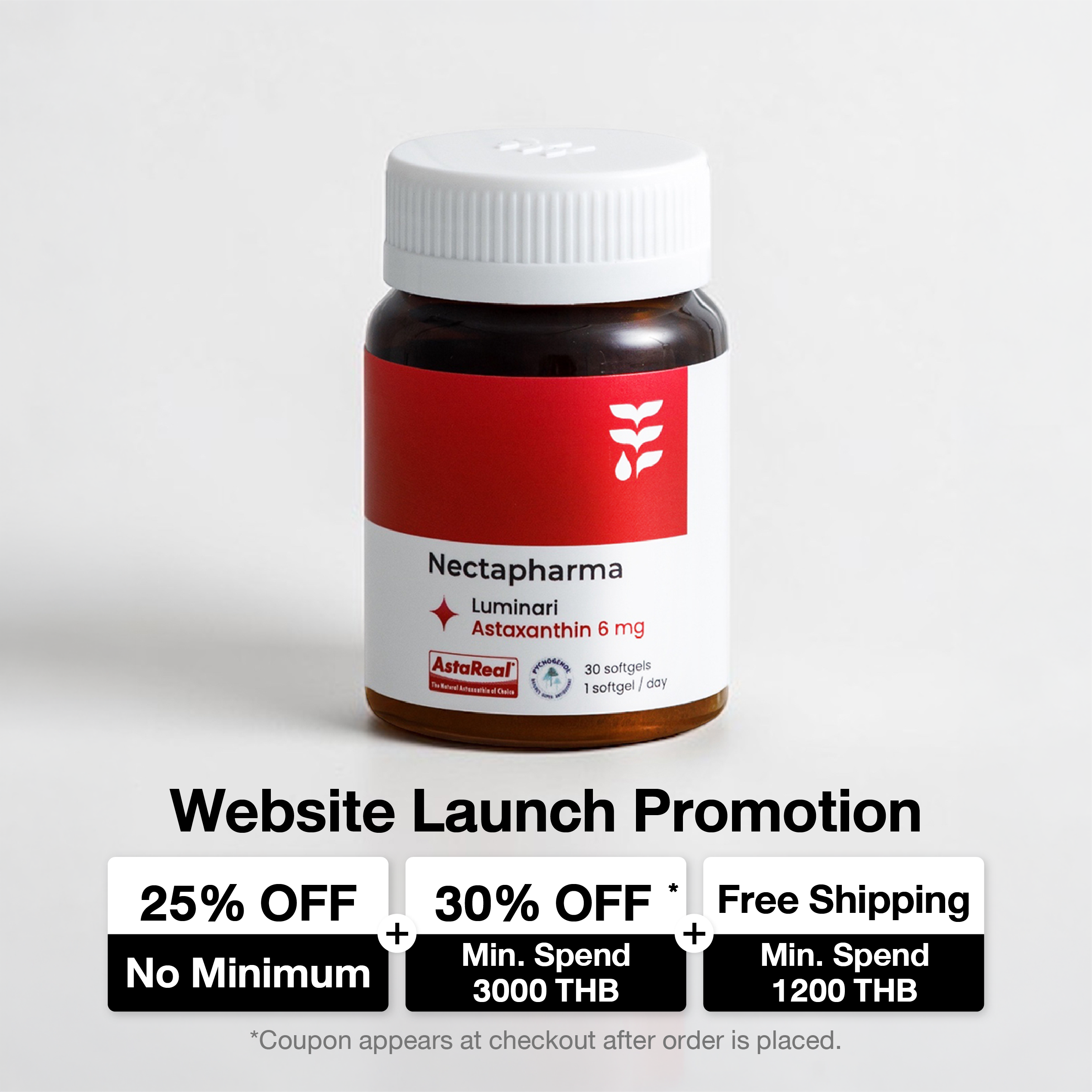
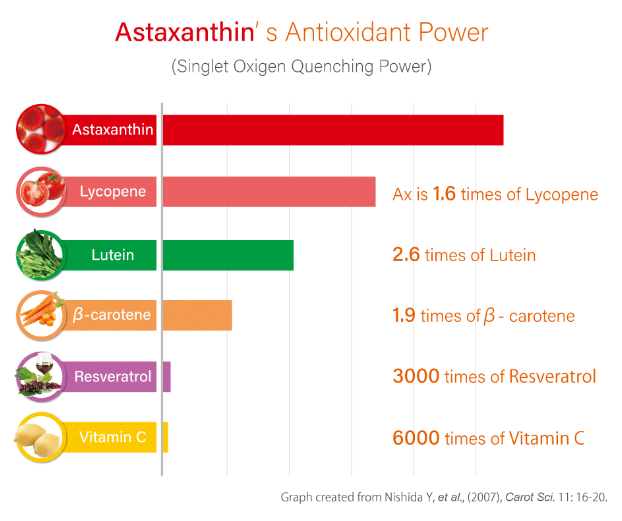
Astaxanthin is a type of antioxidant that belongs to the carotenoid group. The body cannot produce it on its own, but it can be found naturally. Today, astaxanthin is widely used in dietary supplements and health products due to its outstanding antioxidant properties, which are claimed to be up to 6,000 times more powerful than vitamin C. [1] Its wide range of potential benefits has also led to extensive research into what astaxanthin is and the various health benefits it may offer. [2]
| Common Name | Astaxanthin |
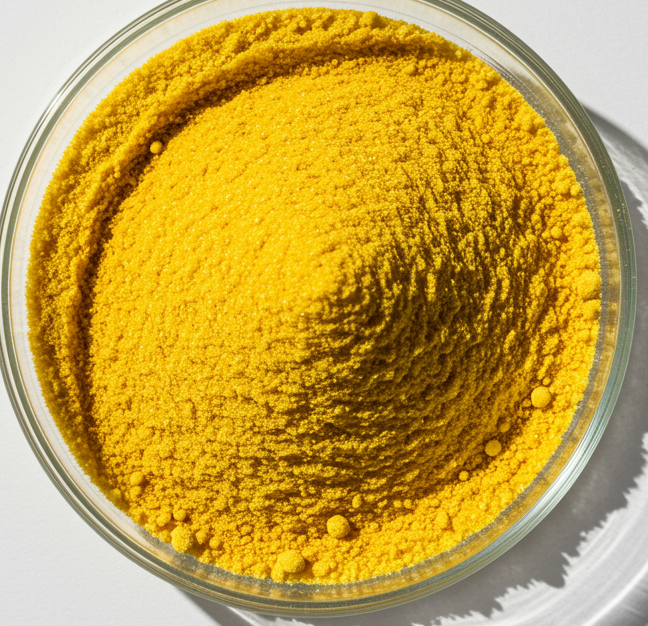
| Appearance | Reddish-orange |
| Source | Haematococcus Pluvialis |
| Key Benefits | Antioxidant support, skin health, cardiovascular health, eye protection, and nervous system and brain health. |
| Recommended Product | Nectapharma Luminari Astaxanthin |
TLDR
Astaxanthin is a powerful antioxidant that is up to 6,000 times more potent than vitamin C.
AstaReal® Astaxanthin is cultivated in a closed system, ensuring consistent quality, safety, and freedom from contamination.
AstaReal® is one of the most extensively researched astaxanthin ingredients, supported by more than 70 studies covering skin health, cardiovascular health, eye protection, and nervous system and brain health.
Astaxanthin should be taken with a meal or immediately after breakfast to support better absorption.
Where Is Astaxanthin Found?
Astaxanthin is a naturally occurring red antioxidant found in algae, yeast, bacteria, fish, and red-colored crustaceans. [3], [4] Today, the most important source used for astaxanthin production is the microalga Haematococcus pluvialis. [1] This is because it can produce high levels of antioxidants to protect itself from oxidative damage. Natural astaxanthin derived from this microalga is also recognized for its safety and stronger antioxidant activity compared with synthetic astaxanthin. [5], [6] The cultivation methods commonly used for astaxanthin production can be divided into two main systems:
Open-System Cultivation
Open-system cultivation for astaxanthin production involves growing algae in open ponds or raceway systems using natural sunlight. Its main advantage is the ability to produce large quantities at a lower cost. However, this method makes quality control more difficult because light exposure, temperature, and other growth-related factors are harder to regulate. It also carries a higher risk of contamination from the external environment, which may affect the quality of the antioxidant produced. [5], [7]
Closed-System Cultivation
Closed-system cultivation for astaxanthin production involves growing algae under fully controlled environmental conditions, with various factors optimized to support their growth. This allows the algae to grow more effectively while minimizing the risk of contamination, resulting in an antioxidant ingredient with higher quality and safety. However, this production method involves higher costs. [5], [7]
What Makes AstaReal® Astaxanthin Special?
AstaReal® is a highly trusted astaxanthin brand widely used in dietary supplements today. It is derived from the microalga Haematococcus pluvialis, cultivated in a closed system in Japan. This production method delivers high-quality astaxanthin that is safe and free from contamination.
Most importantly, AstaReal® is one of the most extensively researched astaxanthin ingredients, supported by more than 70 studies covering its safety, recognized health benefits, and effective intake levels.
A Powerful Antioxidant with Research-Backed Benefits
Astaxanthin is a powerful antioxidant that not only provides superior antioxidant activity but also has anti-inflammatory properties. It may help support recovery and slow age-related deterioration in the body, particularly in relation to skin health. Astaxanthin may also offer a range of other health benefits, including supporting immune function, protecting the nervous system, and promoting cardiovascular health. [1], [2], [3]
Astaxanthin for Skin Health: Research-Backed Benefits with Visible Results
Astaxanthin’s Key Benefit: Effective Reduction of Premature Wrinkles
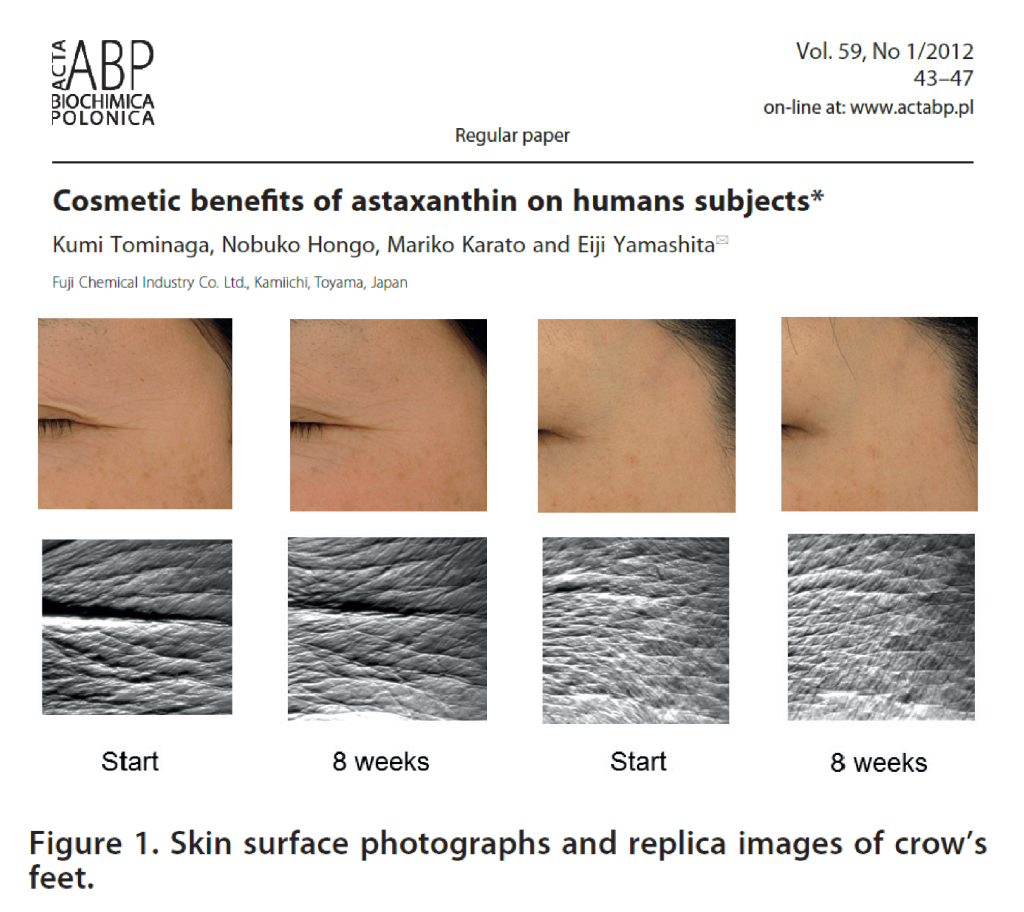
Today, more people are paying closer attention to skin health, particularly the appearance of wrinkles. Astaxanthin has become a widely used antioxidant because several studies have consistently reported that supplementation may help stimulate collagen and elastin production, improve skin elasticity, and significantly reduce the appearance of wrinkles. [6], [9]
Improved Sun Resistance: A Lesser-Known Benefit of Astaxanthin
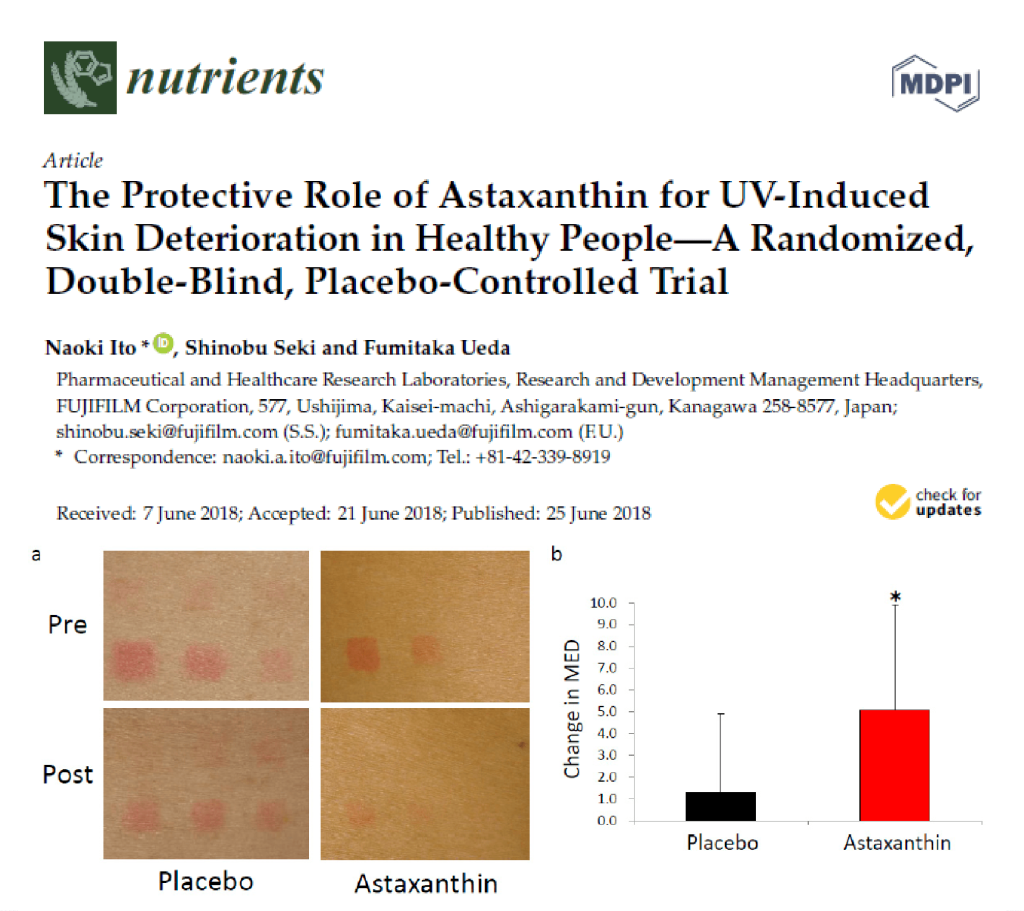
Astaxanthin is not only an antioxidant that helps reduce the appearance of wrinkles, but it may also help improve the skin’s resistance to sun exposure. One study found that taking 4 mg of astaxanthin daily for 9 weeks helped increase the skin’s tolerance to UV radiation while also improving skin smoothness and texture. [10]
Astaxanthin Benefits for Improving Skin Hydration
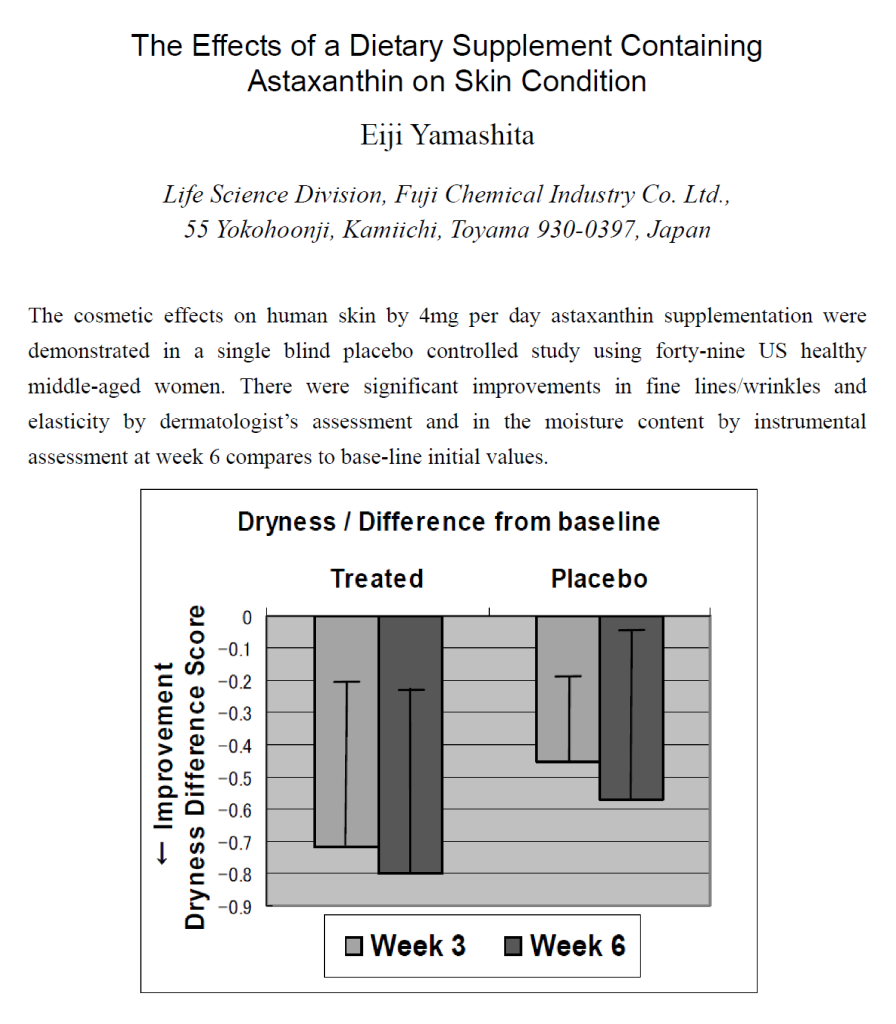
Another benefit of astaxanthin supplementation for healthier-looking skin is improved hydration. Several studies have found that taking 4–12 mg of astaxanthin continuously for at least 8 weeks may help reduce transepidermal water loss, allowing the skin to retain more moisture. [8], [10], [11], [12] These findings suggest that astaxanthin is an antioxidant that supports healthier-looking skin in multiple ways.
Cardiovascular Health: An Important Benefit of Astaxanthin
Among the many health benefits of astaxanthin that have been studied over the years, its potential role in supporting cardiovascular health is particularly noteworthy. [2] Recent research suggests that astaxanthin supplementation may help improve cardiac function in individuals with heart failure. [13] It may also help reduce blood lipid levels. [14]
Protecting Eye Health with Astaxanthin for Clearer Vision
Astaxanthin may be beneficial for people who spend long hours looking at screens and experience eye fatigue. Research has found that taking 4–5 mg of astaxanthin continuously may significantly help relieve eye strain. Astaxanthin may also help improve visual performance. [15]
Astaxanthin Benefits for the Nervous System and Brain
Astaxanthin is an antioxidant that has been continuously studied for its effects on the nervous system and brain. Research suggests that taking 8–12 mg of astaxanthin may help improve cognitive function and support memory. [16], [17]
How to Take Astaxanthin for Maximum Benefits
Astaxanthin is a fat-soluble antioxidant [1] Therefore, to gain the greatest benefits, it should be taken with a meal or immediately after breakfast to help improve absorption. Taking it in the morning may also help support the body before exposure to pollution and sunlight throughout the day.
Astaxanthin should be taken consistently and at research-supported dosages to achieve more noticeable results.
Are There Any Side Effects of Taking Astaxanthin?
Several studies evaluating the safety and potential side effects of astaxanthin in healthy volunteers have reported no serious adverse effects, even when taken continuously for several weeks. [18], [19]
However, some people may experience bloating or abdominal discomfort.[20] These side effects are considered uncommon. Overall, astaxanthin is generally well tolerated and considered safe for most people.
Those with underlying medical conditions, people who regularly take medication, pregnant women, and breastfeeding mothers should consult a pharmacist or healthcare professional before taking astaxanthin.