TLDR
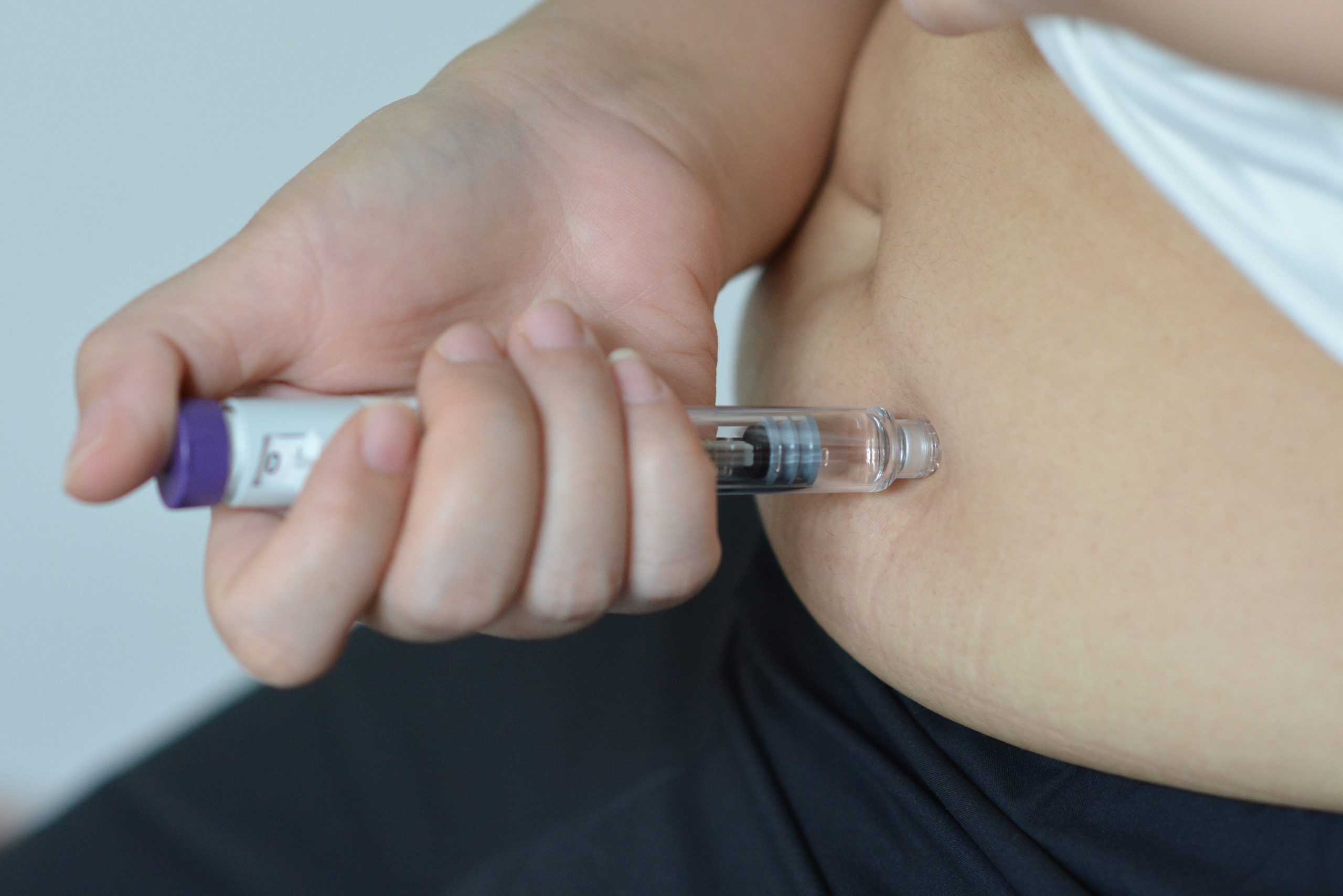
Weight-loss pen injections involve the use of GLP-1 Receptor Agonists (GLP-1 RAs), which mimic the action of the GLP-1 hormone involved in regulating hunger, satiety, and blood sugar levels.
Weight-loss pens work by helping reduce hunger, making you feel full faster and stay full longer, as well as slowing the movement of food out of the stomach, which helps reduce the amount of food consumed.
Weight-loss pen injections are not suitable for everyone. They have specific indications for people with obesity or those who are overweight with certain health conditions and should be used under a doctor’s supervision.
Side effects of weight-loss pens may range from nausea, vomiting, and gastrointestinal problems to loss of muscle mass and possible weight regain after stopping the injections.
What Are Weight-Loss Pen Injections?
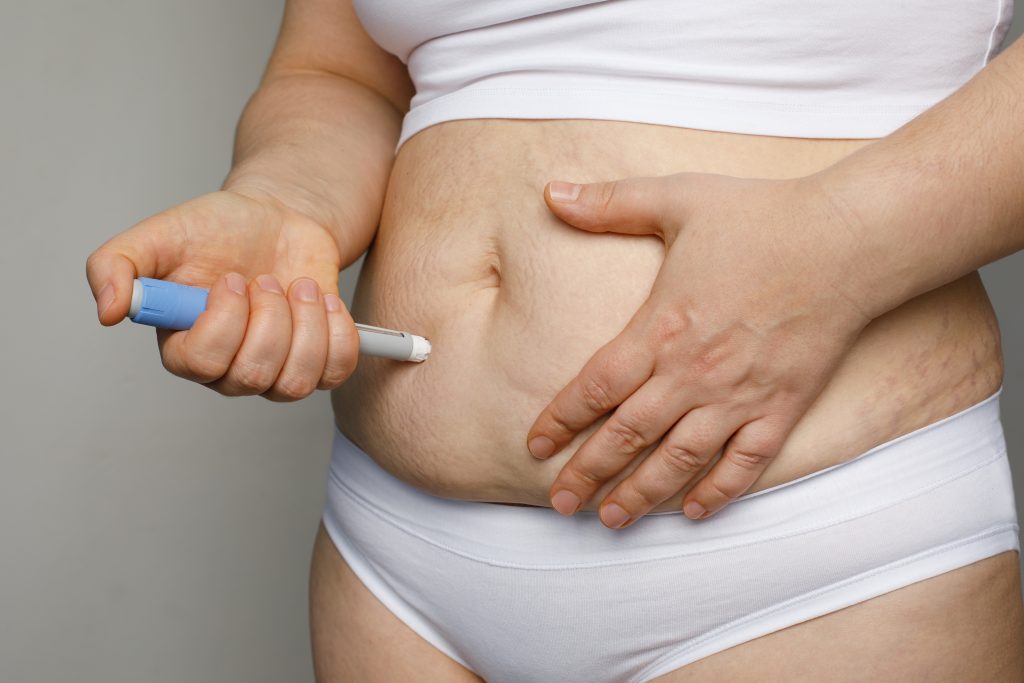
Weight-loss pen injections involve the use of weight-loss or weight-management injection pens containing medications in the GLP-1 Receptor Agonist (GLP-1 RA) class. These medications mimic the action of the GLP-1 (Glucagon-like peptide-1) hormone, a naturally occurring hormone released by the intestines when we eat to send a signal to the brain that we are full.
Originally, weight-loss pens were first developed to treat type 2 diabetes (T2DM). However, they were later found to have the additional benefit of helping with weight loss. Weight-loss pens have therefore increasingly been used to treat obesity and manage body weight. [1], [6], [9]
How Do Weight-Loss Pen Injections Help? How Weight-Management Pens Work
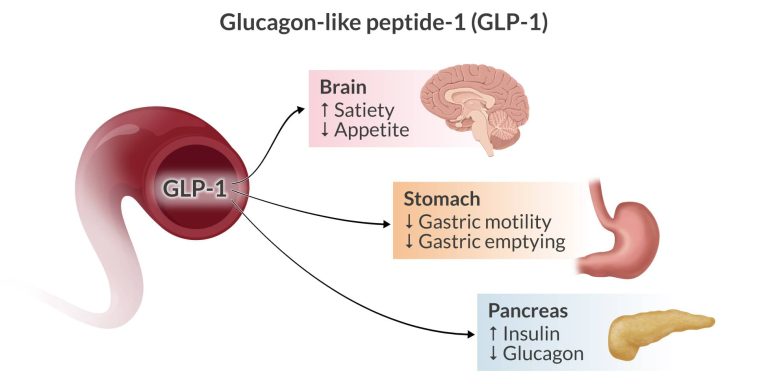
As many people know, weight-loss pen injections are a method of weight management that uses medications that mimic the GLP-1 (Glucagon-like peptide-1) hormone, a naturally occurring hormone released by the intestines after eating to help us feel full. Weight-loss pens work through several systems in the body together [1], [9]
When we use a weight-loss pen injection, the medication that mimics the action of the GLP-1 hormone helps send satiety signals to the brain, making us feel full faster and less hungry. It also helps reduce appetite, especially for high-energy foods. Weight-loss pens also slow the movement of food from the stomach into the intestines, causing food to remain in the stomach longer. As a result, we feel full for longer and eat less. [1], [5], [8]
At the same time, weight-loss pens also stimulate insulin secretion when blood sugar levels are high and reduce glucagon secretion, helping to control blood sugar levels. [4], [9]
When these mechanisms work together, they help reduce hunger, make you feel full faster, keep you full longer, and reduce the amount of food consumed each day.
Who Are Weight-Loss Pens Suitable For?
At a time when weight-loss pens or weight-management pens are becoming increasingly popular, many people may view them as another option for losing weight. However, weight-loss pen injections were not designed for generally healthy people who only want to lose a small amount of weight, because using weight-loss pens may cause more harm than benefit. The question is: Who should use weight-loss pen injections?
Normally, weight-loss pens have suitability criteria and medical indications for different groups of people as follows:
1. People with obesity or who are overweight according to Body Mass Index (BMI) criteria
-
Weight-loss pens or weight-management pens have been approved by the Food and Drug Administration (FDA) for chronic weight management together with lifestyle modification in the following groups:
- People with a Body Mass Index (BMI) of 30 kg/m² or higher, which is classified as obesity.
● People with a BMI of 27 kg/m² or higher who have at least one underlying disease or complication, such as high blood pressure, abnormal blood lipid levels (Dyslipidemia), obstructive sleep apnea (OSA), or type 2 diabetes (T2DM).[3], [6], [9]
- People with a Body Mass Index (BMI) of 30 kg/m² or higher, which is classified as obesity.

2. People with type 2 diabetes (T2DM)
Originally, weight-loss pens or weight-management pens were developed to help control blood sugar levels and reduce weight at the same time in people with type 2 diabetes (T2DM), especially patients with type 2 diabetes whom doctors consider suitable for GLP-1 RA medications to help control blood sugar levels, particularly those who also have obesity or cardiovascular and kidney risks. [2], [3], [4]
Are Weight-Loss Pen Injections Dangerous? Side Effects of Weight-Loss Pens
By this point, many people probably understand that weight-loss pen injections, or the use of weight-loss pens, can genuinely help with weight loss. However, weight-loss pens have specific indications and are not suitable for everyone, especially generally healthy people who only want to lose a small amount of weight.
The questions are: If a healthy person chooses to use a weight-loss pen, is it dangerous? And what are the side effects of weight-loss pens?
1. Gastrointestinal disorders
These are the most common symptoms associated with the use of weight-loss pens or weight-management pens. Because the medication affects how the stomach works and slows the movement of food out of the stomach, it may cause nausea, vomiting, abdominal pain, and bloating. These symptoms can occur even in people who meet the indications and use weight-loss or weight-management pens under a doctor’s supervision. [5], [7]

2. Loss of muscle mass (Sarcopenia)
Weight-loss pen injections may cause rapid weight loss, and the weight lost may not come only from fat but may also include muscle. It has been found that approximately 25–40% of the weight lost may be muscle mass.
This occurs because weight-loss pens reduce hunger and cause people to eat less. When the body does not receive enough energy and protein to meet its needs, it must use stored energy. In addition to carbohydrates and fat, some protein from muscle can also be used, especially when protein intake is low and there is no exercise to stimulate muscle preservation. Therefore, one disadvantage of weight-loss pen injections is that muscle mass may decrease along with body weight. [1], [7]
3. Dehydration and nutrient deficiencies
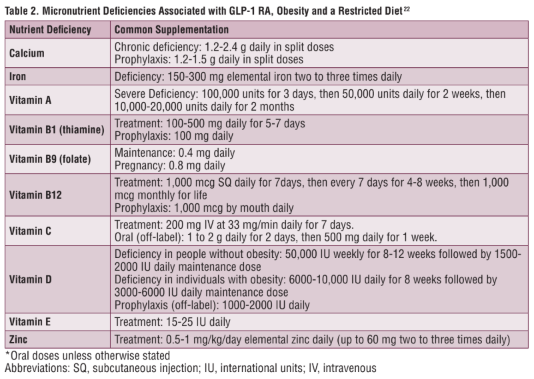
Weight-loss pen injections can make you feel full all the time. As a result, using weight-loss pens may cause you to eat so little that the body becomes deficient in vitamins or does not receive enough protein. In addition, if nausea and vomiting occur, the risk of dehydration may also increase.
Research has found that nutrients that may be consumed in insufficient amounts by people using weight-loss pens, especially when they eat less, include Calcium, Iron, Vitamin A, Vitamin B1, B9 and B12, Vitamin C, Vitamin D, Vitamin E, and Zinc. [5], [7]
4. Weight gain after stopping weight-loss pen injections, or the Yo-Yo Effect
Using weight-loss pens does not result in permanent weight loss, especially if the medication is stopped without making simultaneous changes to eating habits and lifestyle.
When using weight-loss pen injections or weight-loss pens, hunger decreases and food intake becomes easier to control. However, after stopping weight-loss or weight-management pens, the effects that help control hunger disappear. At the same time, the body’s adaptation that causes it to use less energy after weight loss may remain. This can cause us to eat more while burning fewer calories, making it easier for weight to increase again.
Clinical studies have found that many people who stop weight-loss pen injections or stop using GLP-1 RA medications regain some weight after discontinuing treatment. Therefore, weight-loss pens should not be viewed as a temporary weight-loss method that can simply be stopped immediately. Instead, they should be used together with changes in eating habits, exercise, and continuous medical follow-up. [6], [7], [9]

Weight-loss pens or weight-management pens are medications with indications, contraindications, and side effects that vary from person to person. Therefore, you should always consult a doctor and have your suitability assessed before using weight-loss pen injections. You should not purchase or start using them on your own simply because you want to lose weight.