Zinc PCA, short for Zinc Pyrrolidone Carboxylic Acid, is a skincare ingredient widely used in products designed for oily and acne-prone skin. Many people wonder what Zinc PCA is and how it benefits the skin. Zinc PCA is a compound formed by combining Zinc, a mineral known for its anti-inflammatory and antibacterial properties, with PCA (Pyrrolidone Carboxylic Acid), a naturally occurring amino acid derivative found in human skin. This combination creates an ingredient that helps control excess oil production, reduce inflammation, and inhibit acne-causing bacteria. [1]
| Common Name | Zinc PCA |
| Appearance | White Powder |
| Source | Synthetic ingredient produced through chemical synthesis |
| Key Benefits | Oil control, anti-acne activity, anti-inflammatory effects |
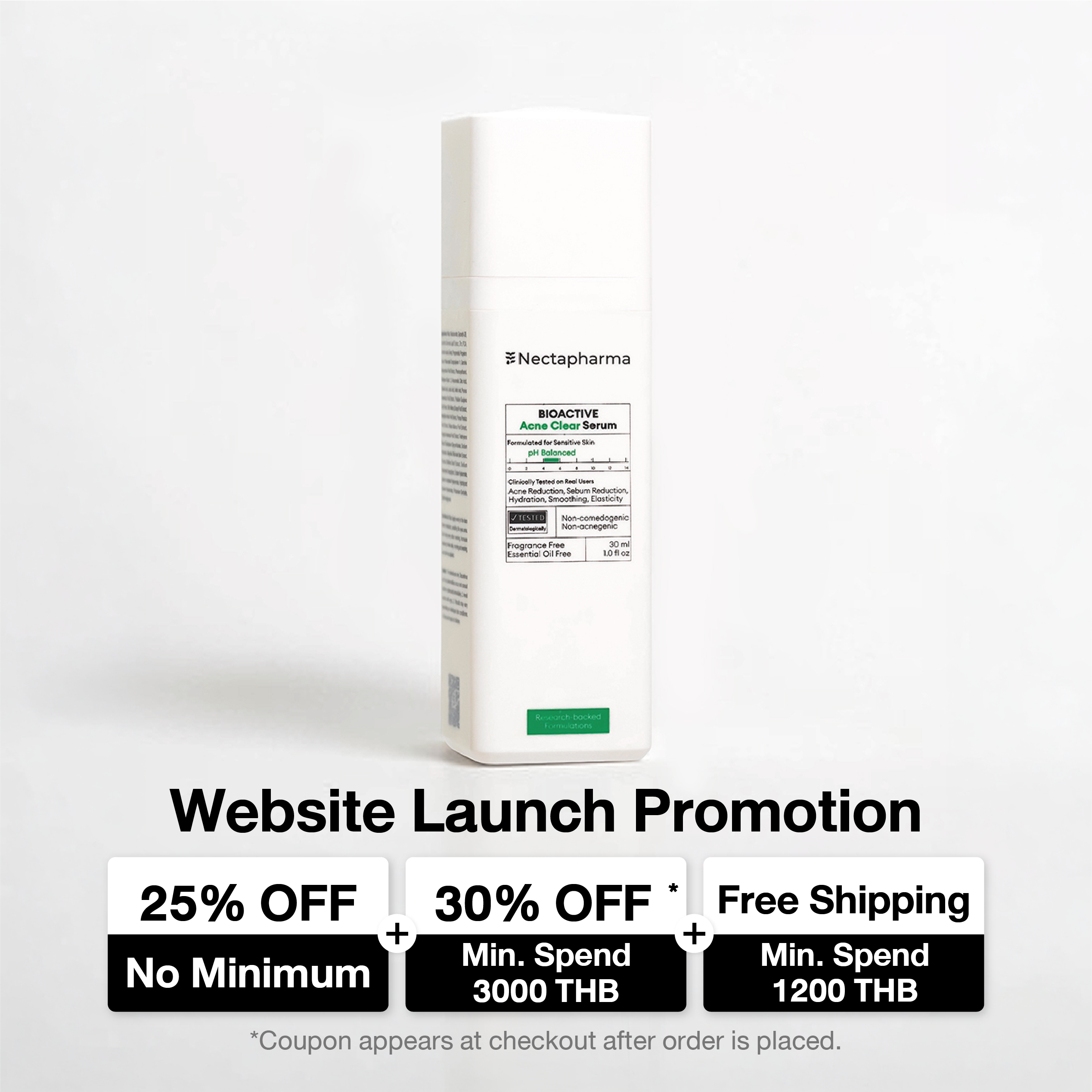
| Recommended Product | Nectapharma Bioactive Acne Clear Serum |
TLDR
Zinc PCA combines the benefits of Zinc and PCA to help restore balance to oily and acne-prone skin.
Its key mechanism involves inhibiting the enzyme 5-alpha reductase, reducing the production of DHT, a hormone that stimulates excess sebum production.
Zinc PCA also helps inhibit the growth of Cutibacterium acnes (C. acnes), reduce inflammation, and support skin recovery, making it suitable even for sensitive skin.
How Does Zinc PCA Work?
One of the main causes of oily skin is excessive sebum production by the sebaceous glands. This process is stimulated by DHT (Dihydrotestosterone), a hormone derived from testosterone through the action of the enzyme 5-alpha reductase.
Zinc PCA helps break this cycle by inhibiting the activity of 5-alpha reductase, reducing the conversion of testosterone into DHT. As a result, the sebaceous glands produce less oil, helping the skin appear less greasy and more balanced. [2]
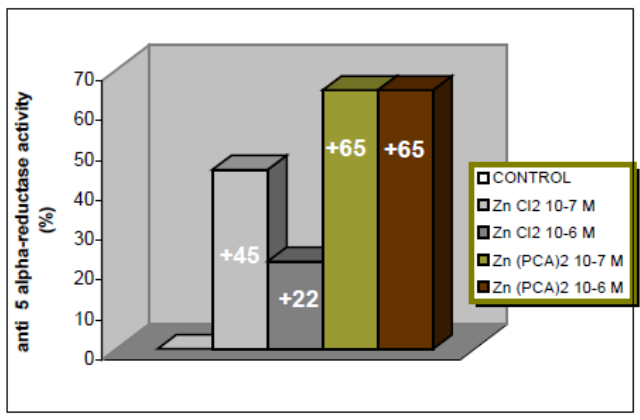
In studies using human dermal fibroblasts, Zinc PCA demonstrated up to 65% greater inhibition of 5-alpha reductase activity compared to Zinc Chloride. [1]
Benefits of Zinc PCA for the Skin
Research suggests that zinc-containing compounds, particularly Zinc–Amino Acid Complexes such as Zinc PCA, offer multiple skin benefits, especially for oily and acne-prone skin.
1. Helps Inhibit Acne-Causing Bacteria (Cutibacterium acnes)
Zinc PCA has been shown to suppress the growth of C. acnes, the bacteria associated with acne development. By reducing bacterial proliferation, it helps minimize acne formation and inflammation. [1]
2. Reduces Excess Sebum Production
One of the most well-known properties of Zinc PCA is its ability to regulate oil production through inhibition of 5-alpha reductase. By reducing DHT levels, Zinc PCA helps decrease excess sebum production and lowers the likelihood of new breakouts. [2]
3. Helps Reduce Skin Inflammation and Supports Recovery
Zinc PCA also possesses anti-inflammatory properties, helping calm irritated skin and support faster recovery from inflammatory acne lesions and redness. [4]